
Science: cannabinoids and the body
Is CBD Considered a Drug? How CBD Oil Differs from Hemp Seed Oil
Because it comes from cannabis, many people wonder whether CBD is a drug. We explain in plain language how science and the law answer this question, along with the difference from THC and drug tests.
By: cbd.school editorial teamUpdated: 20 sources
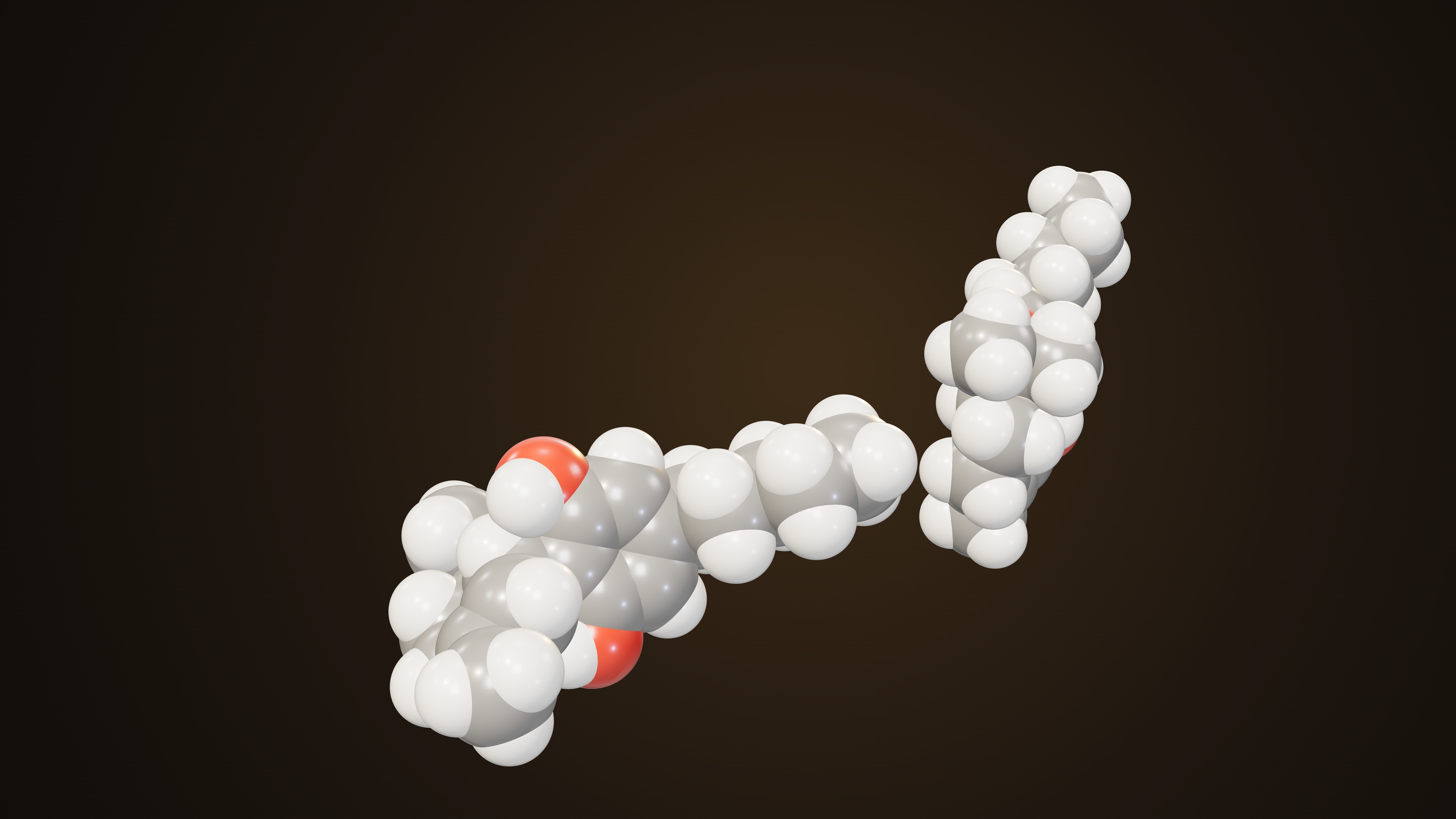
Because CBD comes from cannabis, the first question many people ask is: "Is it a drug, will it get me high, will it get me into trouble?" This concern is very understandable; for many years cannabis was associated only with marijuana. In this article we explain in plain language the difference between CBD and THC, whether CBD is addictive, the legal situation in Turkey and around the world, drug tests, and why CBD oil gets confused with hemp seed oil.
What’s in this article?12 sections
"Drug" can mean two different things
When answering this question, it helps to separate two different issues:
- Scientific meaning: Does the substance cause a high, is it misused, is it addictive?
- Legal meaning: How is the substance or product regulated under the state's narcotics and cannabis laws; where and how can it be sold?
For pure CBD, the answers to these two questions are not the same. Below we look at each one separately.
The difference between CBD and THC
The cannabis plant contains more than a hundred cannabinoids (compounds specific to cannabis). The two best known are THC and CBD. THC (tetrahydrocannabinol) is the main substance in marijuana that gets you "high," that is, causes intoxication and mental fog. CBD does not have this effect.
There are studies showing this. In a controlled study in which healthy volunteers took between 15 mg and 1,500 mg of pure CBD at once, participants did not feel high at any dose, and there was no impairment on attention tests (McCartney 2022). There is also no evidence that pure CBD turns into THC in the body: in a controlled study, pure CBD did not convert to THC whether it was swallowed or vaped, regardless of the product form (Sholler 2022).
An important detail: not everything sold as a "CBD product" is pure CBD. Some products, especially "full-spectrum" ones, contain small amounts of THC. THC was found in about one in five of 84 CBD products bought online (Bonn-Miller 2017). So the statement "CBD does not get you high" can depend on what is in the product.
Is CBD addictive?
A substance's risk of misuse is usually measured in special studies with volunteers who have experience with drugs: participants are asked how much they "like" the substance and whether they would want to take it again.
- Frequent marijuana users (Babalonis 2017): In 31 people, 200, 400 and 800 mg of CBD given by mouth produced results similar to an inactive pill (placebo) on all measured effects. Marijuana, by contrast, produced a clear "pleasure" effect.
- Volunteers who had used different drugs (Schoedel 2018): CBD at the dose of the approved medicine (750 mg) did not produce a "liking" effect different from placebo. At much higher doses (1,500 and 4,500 mg), small differences were seen, but these effects were clearly lower than those seen with a sedative medicine (alprazolam) and synthetic THC.
The US prescribing information for the approved CBD medicine states that the medicine is not a controlled substance (a substance on narcotic and psychotropic lists). In 2018, the World Health Organization's expert committee also recommended that pure CBD not be placed under international drug control, stating that it shows no intoxicating properties and has no potential for misuse or dependence (WHO 2018). These results apply to pure CBD; they cannot be generalized to products containing THC. We cover more common claims on the myths page.
The legal situation: worldwide and in Turkey
International
In December 2020, the UN Commission on Narcotic Drugs voted on the World Health Organization's recommendations. Cannabis was removed from the strictest control schedule, where it had been listed alongside heroin, but it remains under international control. A proposal to state explicitly that CBD products with very low THC are outside control was not adopted; some countries argued that CBD was already not under international control (UN 2020). In the end, each country decides through its own laws how CBD products may be sold.
Turkey
The main law on cannabis in Turkey is Law No. 2313 of 1933; planting cannabis for marijuana and growing cannabis without a permit are prohibited. In 2025, Law No. 7557 added a provision to this law that cannabis-derived products can be sold only in pharmacies. A regulation published on January 31, 2026 defined four product types: medicinal product (medicine), health product, supplement product and personal care product. In supplement and personal care products, THC can be at most 0.3%, and the product must not have a narcotic effect. Products sold without authorization are seized and destroyed.
We could not find a provision in official texts that clearly states whether pure CBD on its own is considered a "narcotic" under Law No. 2313. What we do know is this: on the Foreign Active Substance List of TİTCK (Turkish Medicines and Medical Devices Agency), cannabidiol oral solution is among the medicines that can be imported with a red prescription (a tightly controlled prescription used for narcotic and psychotropic substances) and TİTCK approval. In other words, the law treats CBD products not as an unrestricted food but as a tightly controlled product group.
In Turkey, cannabis-derived products, including CBD, can be sold only in pharmacies (Law No. 7557, regulation of January 31, 2026). Those classed as medicines and health products are dispensed with a prescription; no prescription requirement is stated for supplement products with a THC content of at most 0.3%. As of October 2026, there is no approved (licensed) CBD medicine in Turkey. Details are on the regulation page.
Athletes
CBD has not been on the World Anti-Doping Agency (WADA) Prohibited List since 2018, but cannabinoids other than THC and CBD are banned in competition. Because some products may contain THC or other cannabis compounds, you can read the details on the athletes page.
Will it show up on a drug test?
Drug tests do not look for CBD but for THC-COOH, a substance THC is converted into in the body. So the real question is whether the product you use contains THC.
- Pure CBD (Spindle 2020): Of 218 urine samples collected from volunteers who took 100 mg of pure CBD at once, only one was positive at the most sensitive screening cutoff; none was confirmed positive on the confirmation test.
- CBD with a little THC (Wolinsky 2026): In volunteers who used an oil with 0.5 to 3.7 mg of THC added to 100 mg of CBD twice a day for two weeks, at least one person in every THC-containing group had a positive urine test. These people did not feel high, and no difference was seen on attention tests. One sample was also positive in the group that took CBD only.
The researchers stress that standard tests cannot tell whether THC came from illegal marijuana or from a legal CBD product. If a test result matters to you, no CBD product can be said to be "certain to test clean." Details are on the drug test page.
This also matters for drivers: under the Karayolları Trafik Kanunu (Highway Traffic Law), drivers who have taken narcotic or stimulant substances are prohibited from driving, and penalties became stricter with an amendment in February 2026. If you use a product that may contain THC, make your decision knowing this risk (see driving).
Are CBD oil and hemp seed oil the same thing?
No. Both come from hemp, but from different parts of the plant:
- CBD oil: Made by diluting CBD extracted from the flowers and leaves of the plant in a carrier oil. How much CBD it contains should be stated on the label in mg.
- Hemp seed oil: A food oil made by pressing the seeds. According to the FDA, hemp seeds do not naturally contain THC or CBD; trace amounts can get onto them through contact with other parts of the plant during harvesting and processing.
This "trace amount" really is very small. In 30 commercial seed oils examined by the German Federal Institute for Risk Assessment, the total amount of cannabinoids was between 9 and 279 mg per kilogram (Lindekamp 2024). In a study of 20 seed oils sold in Turkey, CBD was found at no more than about 0.02 mg per milliliter, but all except one sample contained measurable levels of THC (Kacargil 2026). So seed oil is not a substitute for a CBD product; on the other hand, it is not "completely cannabinoid-free" either.
A label that says only "hemp oil" or "hemp extract" does not mean there is CBD in the bottle. We explain the differences between the two products in our CBD oil vs. hemp seed oil article, and how to read the label on the label reading page.
Not a drug, but not risk-free either
The fact that pure CBD does not cause a high or dependence does not mean it has no side effects. In studies of the approved CBD medicine, the most common were sleepiness, decreased appetite and diarrhea. In a controlled study of healthy adults, liver enzymes exceeded 3 times the normal level in 5.6% of those taking 5 mg of CBD per kilogram of body weight per day (Florian 2025). CBD can also change blood levels of some medicines by slowing their breakdown in the body; details are on the drug interactions page.
How was it used in the studies?
In misuse studies, CBD was given by mouth at once in doses between 200 and 4,500 mg; in the intoxication study, 15, 300 and 1,500 mg; and in the drug test studies, 100 mg. These very high doses were chosen to see the limits of the substance. These are study doses; they are not a personal recommendation.
If you are thinking about using CBD
It is completely natural for legal and health questions to feel confusing. Before deciding, you can think about the following and talk with your doctor or pharmacist:
- Whether you are drug tested because of your job, your sport or your driver's license.
- Whether the product contains THC and whether there is an independent certificate of analysis showing this.
- All the medicines you take and your liver health.
- That buying the product anywhere other than a pharmacy falls outside the legal sales channel.
Conclusion
Scientifically, pure CBD does not behave like a drug: it does not cause a high and has shown no sign of dependence in controlled studies. Legally, however, CBD products in Turkey are subject to strict rules and can be sold only in pharmacies, and products containing THC can give a positive test result. So the most accurate answer to "is CBD a drug?" comes down to knowing what the product contains and where it comes from.
Frequently asked questions
Does CBD get you high?
Pure CBD does not cause a high. Volunteers who took up to 1,500 mg of pure CBD at once did not feel high, and CBD did not turn into THC in the body. However, some 'CBD' products contain THC, and these products can cause a high.
Is CBD addictive?
Controlled studies have shown no sign of misuse or dependence with pure CBD; in frequent marijuana users, CBD up to 800 mg gave results similar to placebo. The World Health Organization also found no potential for dependence with pure CBD. These results cannot be generalized to products containing THC.
Is CBD legal in Turkey?
In Turkey, cannabis-derived products, including CBD, can be sold only in pharmacies (Law No. 7557, regulation of January 31, 2026). Those classed as medicines and health products are dispensed with a prescription; no prescription requirement is stated for supplement products with a THC content of at most 0.3%. As of October 2026, there is no approved (licensed) CBD medicine in Turkey. Sales online, on social media or in stores are outside the legal sales channel.
Will I test positive on a drug test if I use CBD?
A positive result is not expected with pure CBD, because tests look for traces of THC. However, CBD products with small amounts of THC were able to make a test positive over two weeks of use, and standard tests cannot tell where THC came from. If a test result matters to you, no product can be said to be 'certain to test clean.'
Does hemp seed oil contain drugs?
Hemp seeds do not naturally contain THC or CBD, but trace amounts can get in during processing. In a study of 20 seed oils sold in Turkey, all except one sample contained measurable levels of THC. Seed oil is a food oil; it is not a substitute for CBD oil.
References
Show 20 references
- World Health Organization (WHO). 40th Expert Committee on Drug Dependence (ECDD) news briefing. September 13, 2018.
- United Nations (UN News). UN commission reclassifies cannabis, yet still considered harmful. December 2, 2020.
- Uyuşturucu Maddelerin Murakabesi Hakkında Kanun No. 2313 (Law on the Control of Narcotic Substances) (current text). mevzuat.gov.tr
- Law No. 7557. Official Gazette, July 24, 2025, issue 32965. Official Gazette 32965
- Ministry of Health. Kenevirden Elde Edilen Ürünlere Dair Yönetmelik (Regulation on Products Derived from Hemp). Official Gazette, January 31, 2026, issue 33154. Official Gazette 33154
- TİTCK (Turkish Medicines and Medical Devices Agency). Foreign Active Substance List (September 28, 2026).
- Karayolları Trafik Kanunu No. 2918 (Highway Traffic Law), Article 48 (2026 amendment). mevzuat.gov.tr
- WADA. 2026 Prohibited List.
- US FDA / DailyMed. EPIDIOLEX (cannabidiol) oral solution prescribing information, sections 6.1 and 9 (accessed October 20, 2026).
- US FDA. FDA Regulation of Cannabis and Cannabis-Derived Products, Including Cannabidiol (CBD), Q&A page (content dated July 16, 2024).
- McCartney D, et al. Effects of cannabidiol on simulated driving and cognitive performance: A dose-ranging randomised controlled trial. J Psychopharmacol. 2022. PMID 35637624
- Sholler DJ, et al. Urinary Pharmacokinetic Profile of Cannabidiol (CBD), Δ9-Tetrahydrocannabinol (THC) and Their Metabolites following Oral and Vaporized CBD and Vaporized CBD-Dominant Cannabis Administration. J Anal Toxicol. 2022. PMID 34089060
- Babalonis S, et al. Oral cannabidiol does not produce a signal for abuse liability in frequent marijuana smokers. Drug Alcohol Depend. 2017. PMID 28088032
- Schoedel KA, et al. Abuse potential assessment of cannabidiol (CBD) in recreational polydrug users: A randomized, double-blind, controlled trial. Epilepsy Behav. 2018. PMID 30286443
- Spindle TR, et al. Urinary Pharmacokinetic Profile of Cannabinoids Following Administration of Vaporized and Oral Cannabidiol and Vaporized CBD-Dominant Cannabis. J Anal Toxicol. 2020. PMID 31682266
- Wolinsky D, et al. The acute and chronic pharmacokinetics and pharmacodynamics of oral cannabidiol with and without low doses of delta-9-tetrahydrocannabinol. J Anal Toxicol. 2026. PMID 40704705
- Bonn-Miller MO, et al. Labeling Accuracy of Cannabidiol Extracts Sold Online. JAMA. 2017. PMID 29114823
- Lindekamp N, et al. Quantification of sixteen cannabinoids in hemp seed edible oils and the influence of thermal processing on cannabinoid contents and profiles. Food Addit Contam Part A Chem Anal Control Expo Risk Assess. 2024. PMID 38588664
- Kacargil CU, et al. Determination of cannabinoids in commercial hemp seeds and hemp seed oil products in Türkiye [Turkey] by LC-MS/MS. Forensic Sci Int. 2026. PMID 41621128
- Florian J, et al. Cannabidiol and Liver Enzyme Level Elevations in Healthy Adults: A Randomized Clinical Trial. JAMA Intern Med. 2025. PMID 40622698
 CBD and Inflammation: What Does the Research Say?
 What Is Cannabinoid Signaling?
 Hemp and Marijuana: What’s the Difference?
 CBD and the Immune System