
CBD Oil or Hemp Seed Oil? 7 Key Differences
Are the "CBD oil" and "hemp oil" bottles sitting side by side on the shelf the same thing? We compared the two oils under seven headings.
By: Selçuk GündoğduUpdated: 17 sources
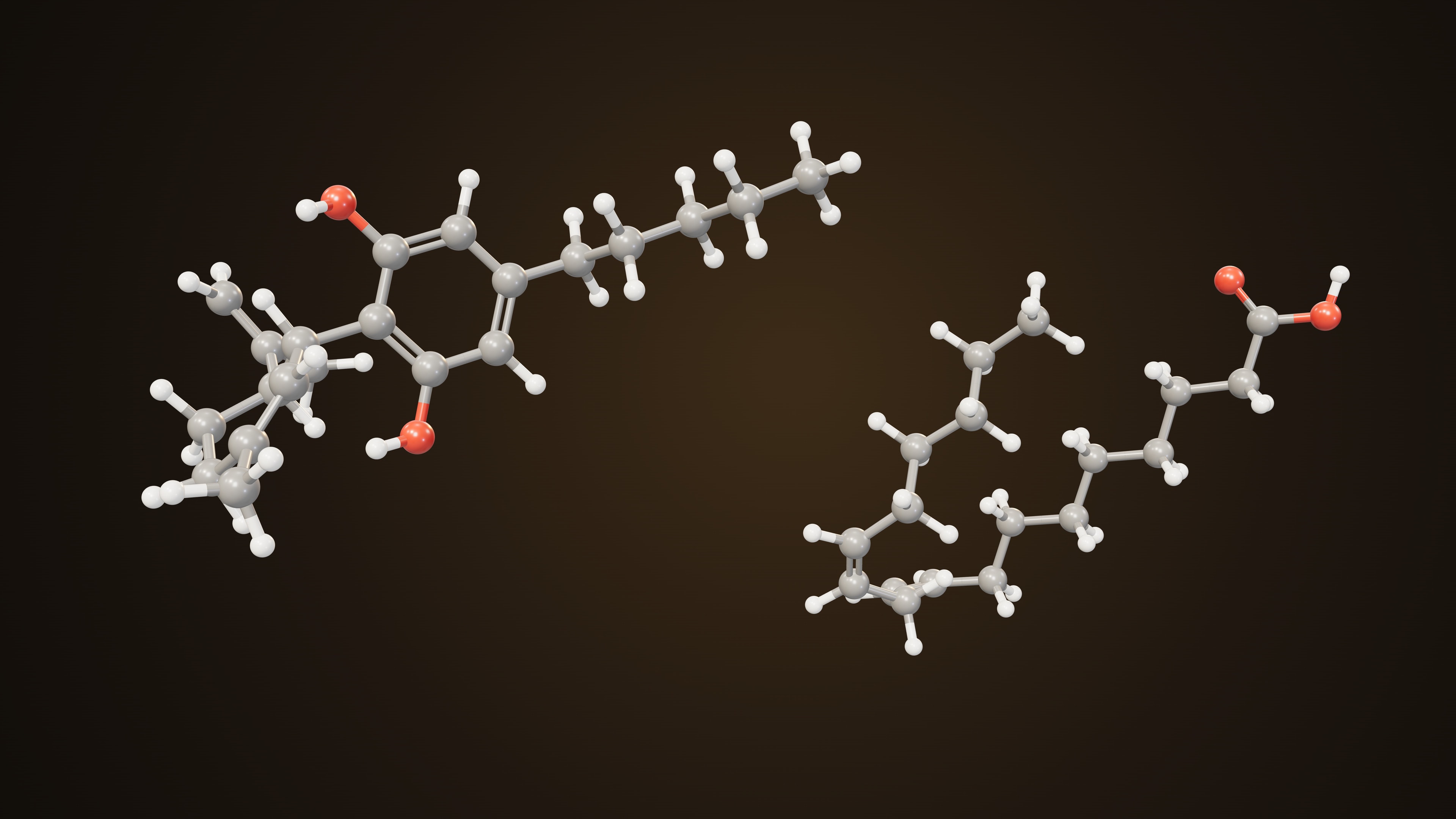
Two bottles sit side by side on a shelf or online: one says "CBD oil," the other says "hemp oil." It is only natural to wonder whether they are the same thing and what each one is for; this mix-up is very common. In this article, we compare the two oils under seven headings and explain in plain language what research has found and what you can look for on the label.
What’s in this article?12 sections
At a glance: how the two oils differ
CBD oil | Hemp seed oil | |
|---|---|---|
1. Source | Flowers and leaves | Seeds |
2. Contents | CBD, listed in mg on the bottle | Fatty acids; very small amounts of cannabinoids (including THC) |
3. Production | Extraction with a solvent, diluted with a carrier oil | Pressing the seeds |
4. Nutritional value | Not used as a food | Rich in omega-6 and omega-3 |
5. Research | An approved CBD medicine helps in some severe forms of epilepsy; other areas are still being studied | A few small studies |
6. Cautions | Drug interactions, liver, drowsiness | Trace THC; for most people, a food oil |
7. In Turkey | Can be sold only in pharmacies | Treated separately in the rules; no specific explicit rule on its sale was found |
1. They come from different parts of the plant
CBD is extracted from the flowers and leaves of the cannabis plant. Seed oil, as the name suggests, is pressed from the seeds. Turkey's cultivation regulation also keeps these parts separate: the seed counts as a plant part that can be used as food or animal feed, while growing flowers and leaves, from which substances such as CBD are obtained, requires a separate permit and quota (Regulation on Hemp Cultivation and Control, 2026).
How many drops of CBD oil?
Turn the dose your doctor prescribed into drops.
1. How many mg of CBD are in the bottle?
2. How many ml is the bottle?
3. How many mg did your doctor prescribe?
For 25 mg
5 drops
Each drop contains about 5 mg of CBD.
Your doctor decides the dose. This tool only shows how many drops that is.
For another bottle, a percentage (%) or a syringe2. They contain different substances
The main ingredient of CBD oil is CBD, and a good product states the amount in the bottle in milligrams. According to the US Food and Drug Administration (FDA), the seed itself does not produce THC or CBD; the small amounts in seed products come from contact with other parts of the plant during harvesting and processing (FDA).
"Small amounts" does not mean zero. In a study of 20 hemp seed oils sold in Turkey, CBD came out at most about 0.02 mg per milliliter; on the other hand, THC was measured in all but one of the samples. The average total THC in the oils was above the limit the European Union sets for hemp seed oil (Kacargil 2026). In a study by German researchers of 30 commercial seed oils, total cannabinoid content ranged from 9 to 279 mg per kilogram, and three samples exceeded the EU limit for THC (Lindekamp 2024). That is why you cannot say seed oil "contains no THC at all."
3. They are made in different ways
To make CBD oil, the cannabinoids in the dried plant are drawn out with a solvent such as ethanol or with carbon dioxide under high pressure, refined if needed, and diluted with a carrier oil (Lazarjani 2021). Seed oil, like other plant oils, is made by pressing the seeds; the leftover pulp (seed cake) is rich in protein (House 2010). More detail: How is CBD oil made?
4. One is a food oil, the other is not
Oil makes up 25–35% of the weight of hemp seed. Up to 90% of this oil is unsaturated fatty acids; the ratio of omega-6 to omega-3 fatty acids is roughly between 3:1 and 5:1. The oil also contains gamma-linolenic acid (GLA) and tocopherols (the vitamin E family) (Farinon 2020). CBD oil, by contrast, is not used as a food; its value depends on how much CBD it contains. More detail: what is hemp seed oil?
5. Research covers different areas
CBD: An approved CBD medicine reduced seizures in some severe childhood epilepsies (Devinsky 2017). Research on pain, sleep, anxiety and other areas is ongoing; so far the results are mixed. Evidence topic by topic: CBD Guide.
Seed oil: In a small study of patients with atopic dermatitis, hemp seed oil taken by mouth was compared with olive oil, and improvements in skin dryness and itching were reported during the seed oil period (Callaway 2005). In a 12-week study of 86 healthy volunteers, 2 g a day of hemp seed oil capsules (the study dose; not a personal recommendation) did not affect cholesterol or blood clotting measures any differently from placebo (Kaul 2008). The results of CBD studies cannot be applied to seed oil.
6. The cautions are different
CBD oil: The most common side effects are drowsiness, diarrhea and decreased appetite. CBD can slow the breakdown of some medicines in the liver and change the blood levels of clobazam, valproate, warfarin and some organ transplant drugs (Epidiolex label). For the medicines you take: Check CBD drug interactions.
Seed oil: For most people, it is a food oil, but the trace THC it contains should not be ignored. Earlier studies reported that eating hemp seed products could make a urine test positive; in a 2001 study, however, products with about 5 micrograms of THC per gram of oil did not produce a confirmed positive result (Leson 2001). In the oils measured in Turkey, the average total THC was about 10 micrograms per milliliter; the authors note that Turkey applies "zero tolerance" for THC and that these levels could cause legal problems (Kacargil 2026). If testing matters to you, talk with your doctor about it: drug test.
7. Labels and legal status differ
A bottle labeled "hemp oil" may be seed oil or an extract that contains CBD. Among 50 products sold in the US as "CBD oil / hemp oil," most had a CBD content below 0.1% (ElSohly 2020). Labels on CBD products are not always accurate either: only 31% of 84 products bought online had the correct amount of CBD (Bonn-Miller 2017). A CBD product should state the total CBD in the bottle in mg and the amount in 1 ml in mg/ml, and it should have an independent certificate of analysis for the same batch. If the bottle does not say how many mg of CBD it contains, it should not be considered CBD oil. More detail: how to read a label
In Turkey, the rules treat the two products separately. Products made from cannabis, including CBD, can be sold only in pharmacies (Law No. 7557; regulation of January 31, 2026). Those classified as medicines or health products are dispensed with a prescription; no prescription requirement is stated for supplement products with a THC content of at most 0.3%. As of October 2026, there is no approved CBD medicine in Turkey (TİTCK (Turkish Medicines and Medical Devices Agency)). We did not find an explicit provision that separately regulates the sale of seed oil, which is assumed to contain no cannabinoids. More detail: CBD laws in Turkey.
If you are thinking about using CBD
You can talk with your doctor or pharmacist about the medicines you take, your liver health, pregnancy or breastfeeding, and issues such as drug or doping tests. If what you are looking for is a nutritious oil, seed oil is a food option; if you are considering CBD for a condition it has been studied for, seed oil is not a substitute.
Conclusion
Although CBD oil and hemp seed oil come from the same plant, their sources, contents, uses and legal status differ. Seed oil is a highly nutritious oil and contains only very small amounts of cannabis compounds, but you cannot say it "contains no THC at all." The most reliable way to tell which one a bottle is, is to look not at its name but at the milligram value on the label and the certificate of analysis. To learn more: What is CBD oil?
This article is for information only; it is not a diagnosis or treatment recommendation. We do not sell products or recommend any product or brand. How we prepare our content: Editorial Policy. If you spot an error, write to [email protected] .
Frequently asked questions
Are CBD oil and hemp seed oil the same thing?
No. CBD oil contains CBD extracted from the plant's flowers and leaves; seed oil is a food oil made by pressing the seeds. In 20 seed oils sold in Turkey, CBD came out at most about 0.02 mg per milliliter.
Does hemp seed oil contain THC?
The seed itself does not produce THC, but THC can get in from other parts of the plant during harvesting and processing. THC was measured in all but one of 20 seed oil samples sold in Turkey, and the average level was above the EU limit. That is why you cannot say seed oil "contains no THC at all."
Can hemp seed oil be used instead of CBD oil?
No. Seed oil contains only very small amounts of CBD; the results of studies done with CBD cannot be applied to seed oil. Seed oil should be seen as a food oil rich in omega-6 and omega-3.
How can I tell whether a bottle is CBD oil?
The label should state the total amount of CBD in the bottle in mg and the amount in 1 ml in mg/ml. There should also be a certificate of analysis from an independent laboratory for the same batch. If it does not say how many mg of CBD it contains, the product should not be considered CBD oil.
Are both subject to the same rules in Turkey?
No. Products made from cannabis, including CBD, can be sold only in pharmacies (Law No. 7557, regulation of January 31, 2026). Those classified as medicines or health products are dispensed with a prescription; no prescription requirement is stated for supplement products with a THC content of at most 0.3%. As of October 2026, there is no approved CBD medicine. Seed oil is treated separately in the rules; we did not find a specific explicit rule on its sale.
References
Show 17 references
- Republic of Turkey Ministry of Agriculture and Forestry. Regulation on Hemp Cultivation and Control. Official Gazette 33154, January 31, 2026.
- US FDA. FDA Regulation of Cannabis and Cannabis-Derived Products, Including Cannabidiol (CBD) (Q&A; accessed October 20, 2026).
- Kacargil CU, et al. Determination of cannabinoids in commercial hemp seeds and hemp seed oil products in Türkiye by LC-MS/MS. Forensic Sci Int. 2026. PMID 41621128
- Lindekamp N, et al. Quantification of sixteen cannabinoids in hemp seed edible oils and the influence of thermal processing on cannabinoid contents and profiles. Food Addit Contam Part A Chem Anal Control Expo Risk Assess. 2024. PMID 38588664
- Lazarjani MP, et al. Processing and extraction methods of medicinal cannabis: a narrative review. J Cannabis Res. 2021. PMID 34281626
- House JD, et al. Evaluating the quality of protein from hemp seed (Cannabis sativa L.) products through the use of the protein digestibility-corrected amino acid score method. J Agric Food Chem. 2010. PMID 20977230
- Farinon B, et al. The seed of industrial hemp (Cannabis sativa L.): Nutritional Quality and Potential Functionality for Human Health and Nutrition. Nutrients. 2020. PMID 32610691
- Devinsky O, et al. Trial of Cannabidiol for Drug-Resistant Seizures in the Dravet Syndrome. N Engl J Med. 2017. PMID 28538134
- Callaway J, et al. Efficacy of dietary hempseed oil in patients with atopic dermatitis. J Dermatolog Treat. 2005. PMID 16019622
- Kaul N, et al. A comparison of fish oil, flaxseed oil and hempseed oil supplementation on selected parameters of cardiovascular health in healthy volunteers. J Am Coll Nutr. 2008. PMID 18460481
- US FDA / DailyMed. EPIDIOLEX (cannabidiol) prescribing information, revised 05/2026.
- Leson G, et al. Evaluating the impact of hemp food consumption on workplace drug tests. J Anal Toxicol. 2001. PMID 11765026
- ElSohly MA, et al. Analysis of Cannabidiol, Δ9-Tetrahydrocannabinol, and Their Acids in CBD Oil/Hemp Oil Products. Med Cannabis Cannabinoids. 2020. PMID 34676337
- Bonn-Miller MO, et al. Labeling Accuracy of Cannabidiol Extracts Sold Online. JAMA. 2017. PMID 29114823
- Law No. 7557. Official Gazette 32965, July 24, 2025.
- Republic of Turkey Ministry of Health. Regulation on Products Derived from Hemp. Official Gazette 33154, January 31, 2026.
- TİTCK (Turkish Medicines and Medical Devices Agency). List of Licensed Human Medicinal Products (October 16, 2026).
 CBD Spectrum Guide: The Differences Between Full-Spectrum, Broad-Spectrum and Isolate
 What Are CBD Edibles? When Do They Start Working?
 CBD Creams: What Do They Do, and What Are the Side Effects?
 What Is Hemp Seed Oil? Nutrition Facts and Side Effects