
Science: cannabinoids and the body
Hemp and Marijuana: What’s the Difference?
Hemp and marijuana come from the same plant, so what sets them apart? We explain in plain language how science and the law look at these two terms.
By: cbd.school editorial teamUpdated: 17 sources
Quick check
This article is prepared according to our editorial policy.
- We don’t sell products, recommend brands or give personal doses.
- We base health information on peer-reviewed studies or official institutions. When the evidence is weak, we say so clearly: How do we rate the strength of evidence?
- If you spot an error, write to us through the contact form . We check it against the source, correct it if it’s right, and update the page’s date.
More: Editorial Policy. Our content is for information only; it does not replace diagnosis or treatment.
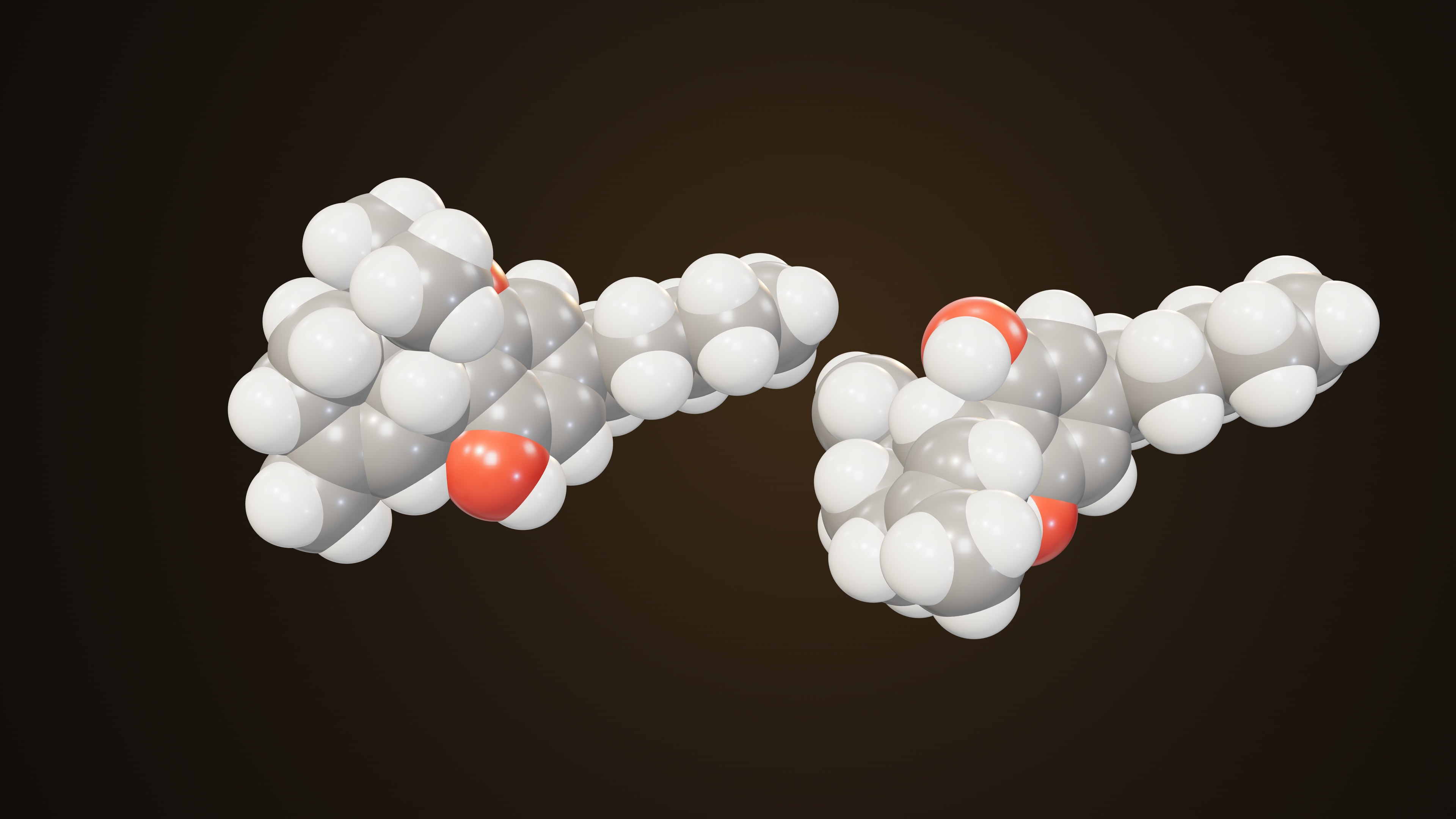
The words "hemp" and "marijuana" are sometimes used as if they meant the same thing, and sometimes as if they were completely different plants. You may be wondering whether a hemp product has anything to do with marijuana, or why hemp seeds can be sold in grocery stores. In this article, we explain in plain language what the two terms mean scientifically and legally, how they differ, and the situation in Turkey.
What’s in this article?11 sections
Are hemp and marijuana the same plant?
Yes. Botanically, both are the same species: Cannabis sativa. Cannabis is a member of the Cannabaceae family, which also includes hops. DNA studies show that plants of European origin with more CBD than THC and plants of Asian origin with more THC than CBD can be considered two subspecies of the same species (McPartland 2018).
The "sativa" and "indica" distinction often heard in everyday speech, on the other hand, doesn’t match the scientific names; because of widespread crossbreeding, this distinction has almost lost its meaning (McPartland 2018). In a genetic study of more than 100 samples, plants labeled "Sativa" and "Indica" could not be told apart across the genome (Watts 2021). In other words, the difference lies not in the plant’s species but in the amounts of the substances it contains and in how the law defines it.
What is hemp?
In everyday language and in the laws of many countries, "hemp" is used for low-THC varieties of Cannabis sativa grown for fiber, seeds or CBD. The threshold varies from country to country:
- US: The law classifies plants and their products containing no more than 0.3% Δ9-THC by dry weight as "hemp" and removes them from the list of controlled substances (FDA).
- European Union: Hemp varieties eligible for agricultural support may contain no more than 0.3% THC (Regulation (EU) 2021/2115, Art. 4(4)). This is an agricultural rule.
- Turkey: The 0.3% limit is not the definition of hemp but an upper limit set for supplement products and personal care products (cosmetics) sold in pharmacies (Regulation on Products Derived from Hemp, 2026). Hemp can be grown with a permit in 21 provinces for fiber, seeds and stalks; for the flowers and leaves from which substances such as CBD are obtained, applications are made to the Turkish Grain Board (Toprak Mahsulleri Ofisi, TMO) and are subject to a quota (Regulation on Cannabis Cultivation and Control, 2026).
What is marijuana?
Marijuana is the intoxicating product obtained from the THC-rich flowers and leaves of the cannabis plant. THC acts by stimulating cannabinoid receptors in the brain; in the short term, it impairs short-term memory and coordination and reduces driving ability (Volkow 2014). More: What is marijuana?, the differences between THC and CBD.
The strength of marijuana has also changed over the years. In samples seized in the US, the THC content rose from about 4% in 1995 to about 12% in 2014; over the same period, CBD content fell, and the ratio of THC to CBD rose from 14 times to about 80 times (ElSohly 2016).
Hemp vs. marijuana: a comparison
Hemp (low-THC varieties) | Marijuana (high-THC varieties) | |
|---|---|---|
Plant species | Cannabis sativa | Cannabis sativa |
THC | Low (no more than 0.3% in the US and EU) | High |
Causes a high | No | Yes |
Main uses | Fiber, seeds, seed oil, CBD | Use to get high; in some countries, medicines containing THC |
In Turkey | Can be grown with a permit and under the rules of the regulation | Planting cannabis to obtain marijuana is prohibited (Law No. 2313) |
Uses of hemp
Hemp fibers are used in products such as rope, textiles and paper, and the seeds are used as food and animal feed. Hemp seed is a nutritious food: 25–35% of the seed’s weight is fat and 20–25% is protein, and its oil is made up largely of unsaturated fatty acids (Farinon 2020). Hemp seed protein is well digested; the essential amino acid it contains the least of is lysine, and its protein quality is similar to or slightly higher than that of some grains, nuts and legumes (House 2010).
Cannabinoids, on the other hand, are made in tiny secretory hairs on the plant’s surface (Radwan 2021). According to the FDA, the seed itself does not produce THC or CBD; the small amounts in seed products come from contamination by other parts of the plant during harvesting and processing (FDA). Even so, these small amounts are not negligible: THC was measured in all but one of 20 hemp seed oils sold in Turkey (Kacargil 2026). More: CBD oil or hemp seed oil?
Why are they so often confused?
One reason for the confusion is language. In English, the low-THC plant is called "hemp" and the high-THC one "marijuana" or "cannabis"; in Turkish, however, the word "kenevir" is used both for the plant itself and for low-THC varieties. Product names make things harder too: a bottle labeled "hemp oil" could be a food oil pressed from seeds or an extract containing CBD. In an analysis of 50 products sold in the US as "CBD oil / hemp oil," most of the products had a CBD content below 0.1% (ElSohly 2020). That’s why, to understand what is in a product, you need to look not at its name but at the milligram value on the label and the certificate of analysis.
The difference for health
For health, the main difference comes from how much THC a product contains. THC can lead to addiction in regular users: addiction develops in about 9% of people who try marijuana and in about one in six of those who start in their teens (Volkow 2014). CBD does not cause a high; the approved (licensed) CBD medicine reduced seizures in some severe epilepsies, and research on many other topics is ongoing (What is CBD?). For the evidence by condition: CBD Guide.
The situation in Turkey
Under Law No. 2313, planting cannabis to obtain marijuana and growing cannabis without a permit are prohibited (Law No. 2313). The Turkish Penal Code treats buying, possessing or using a narcotic drug for personal use as a separate offense (TCK Art. 191).
Cannabis-derived products, including CBD, can be sold only in pharmacies (Law No. 7557, regulation of January 31, 2026). Those classed as medicines and health products are dispensed with a prescription; for supplement products with a THC content of no more than 0.3%, no prescription requirement is stated. As of October 2026, there is no approved (licensed) CBD medicine in Turkey (TİTCK, the Turkish Medicines and Medical Devices Agency). More: CBD regulations in Turkey (this is not legal advice).
Conclusion
Hemp and marijuana are different varieties of the same plant; what sets them apart is the amount of THC and the lines drawn by the law. Low-THC hemp is grown for fiber, seeds and CBD, while high-THC marijuana causes a high and is classed as a narcotic drug in Turkey. If you are considering a hemp product, checking how much THC it contains on the certificate of analysis is a good start: how to read a label?
This article is for information only; it is not a diagnosis or treatment recommendation and does not encourage substance use. How we prepare our content: Editorial Policy. If you spot an error, write to [email protected] .
Frequently asked questions
Are hemp and marijuana the same plant?
Yes, both belong to the species Cannabis sativa. The difference between them lies not in the plant’s species but in the amount of THC it contains and in how the law defines the plant.
Are sativa and indica different plants?
The everyday names 'sativa' and 'indica' don’t match scientific classification. In a genetic study of more than a hundred samples, plants carrying these labels could not be told apart across the genome.
What is the THC limit for hemp?
In the US, a plant containing no more than 0.3% Δ9-THC by dry weight is considered hemp; in the European Union, the limit for varieties eligible for agricultural support is also 0.3%. In Turkey, the 0.3% limit is not the definition of hemp but an upper limit set for supplement products and cosmetics sold in pharmacies.
Can hemp seeds get you high?
The seed itself does not produce THC, but small amounts can get onto it from other parts of the plant during harvesting and processing. THC was measured in all but one of the seed oil samples sold in Turkey, so seed products cannot be said to 'contain no THC at all.'
Is it legal to grow hemp or buy CBD products in Turkey?
Planting cannabis to obtain marijuana and growing cannabis without a permit are prohibited; cultivation for fiber, seeds and stalks can be done with a permit in certain provinces. Cannabis-derived products, including CBD, can be sold only in pharmacies (Law No. 7557, regulation of January 31, 2026); those classed as medicines and health products are dispensed with a prescription, and for supplement products with a THC content of no more than 0.3%, no prescription requirement is stated. As of October 2026, there is no approved (licensed) CBD medicine in Turkey.
References
Show 17 references
- McPartland JM. Cannabis Systematics at the Levels of Family, Genus, and Species. Cannabis Cannabinoid Res. 2018. PMID 30426073
- Watts S, et al. Cannabis labelling is associated with genetic variation in terpene synthase genes. Nat Plants. 2021. PMID 34650264
- US FDA. FDA Regulation of Cannabis and Cannabis-Derived Products, Including Cannabidiol (CBD) (Q&A; accessed October 20, 2026).
- European Parliament and Council. Regulation (EU) 2021/2115, Article 4(4). Official Journal of the EU L 435, December 6, 2021 (accessed October 20, 2026).
- Ministry of Health of the Republic of Turkey. Kenevirden Elde Edilen Ürünlere Dair Yönetmelik (Regulation on Products Derived from Hemp). Official Gazette 33154, January 31, 2026.
- Ministry of Agriculture and Forestry of the Republic of Turkey. Regulation on Cannabis Cultivation and Control. Official Gazette 33154, January 31, 2026.
- Volkow ND, et al. Adverse health effects of marijuana use. N Engl J Med. 2014. PMID 24897085
- ElSohly MA, et al. Changes in Cannabis Potency Over the Last 2 Decades (1995-2014): Analysis of Current Data in the United States. Biol Psychiatry. 2016. PMID 26903403
- Farinon B, et al. The seed of industrial hemp (Cannabis sativa L.): Nutritional Quality and Potential Functionality for Human Health and Nutrition. Nutrients. 2020. PMID 32610691
- House JD, et al. Evaluating the quality of protein from hemp seed (Cannabis sativa L.) products through the use of the protein digestibility-corrected amino acid score method. J Agric Food Chem. 2010. PMID 20977230
- Radwan MM, et al. Cannabinoids, Phenolics, Terpenes and Alkaloids of Cannabis. Molecules. 2021. PMID 34066753
- Kacargil CU, et al. Determination of cannabinoids in commercial hemp seeds and hemp seed oil products in Türkiye by LC-MS/MS. Forensic Sci Int. 2026. PMID 41621128
- ElSohly MA, et al. Analysis of Cannabidiol, Δ9-Tetrahydrocannabinol, and Their Acids in CBD Oil/Hemp Oil Products. Med Cannabis Cannabinoids. 2020. PMID 34676337
- Law No. 2313, Uyuşturucu Maddelerin Murakabesi Hakkında Kanun (Law on the Control of Narcotic Substances) (current text, mevzuat.gov.tr).
- Law No. 5237, Türk Ceza Kanunu (Turkish Penal Code), Art. 191 (current text, mevzuat.gov.tr; accessed October 20, 2026).
- Law No. 7557. Official Gazette 32965, July 24, 2025.
- TİTCK (Turkish Medicines and Medical Devices Agency). List of Licensed Human Medicinal Products (October 16, 2026).
 CBD and the Immune System
 What Is Marijuana?
 Your Body's Hidden Balancing System: The Endocannabinoid System (ECS) and CBD's Role
 What Is THC? Differences Between THC and CBD, Their Effects and Legal Status