
Science: cannabinoids and the body
What Is HHC (Hexahydrocannabinol)? Effects, Risks and Legal Status
You may have seen HHC in vapes, gummies or products marketed as "legal THC." We explain what this semi-synthetic substance is, its known risks and its legal status in Turkey, with sources.
By: Selçuk GündoğduUpdated: 32 sources
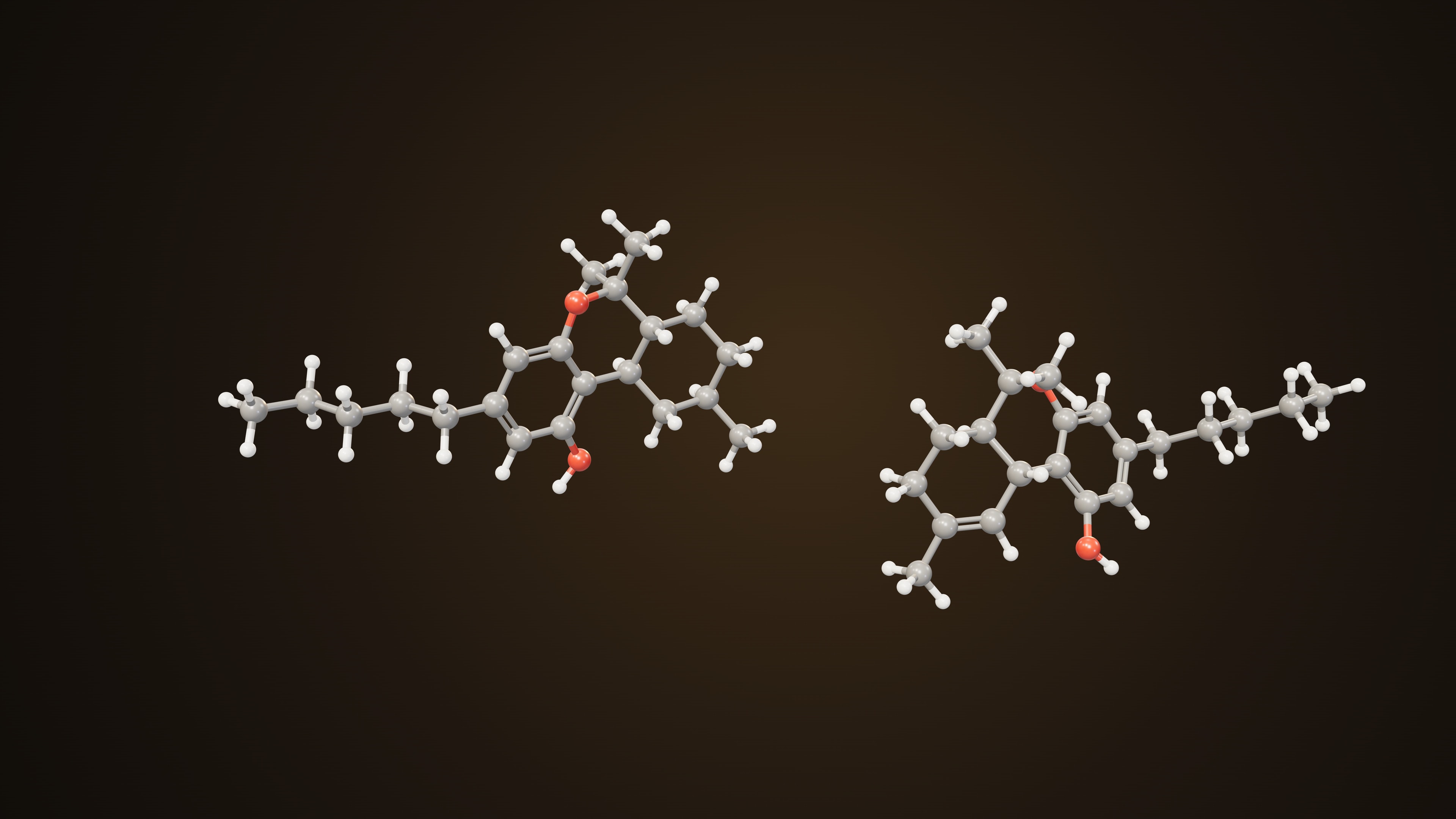
Over the past few years you may have seen the name HHC on vape cartridges, gummies or products marketed as "legal THC." Because its name sounds like CBD and THC, it is natural to wonder which one it is closer to. In this article we explain in plain language what HHC is, how it is made, what research and poisoning records show, and its legal status in Turkey. We do not give product, brand or usage information.
What’s in this article?12 sections
At a glance
HHC | |
|---|---|
Where does it come from? | Trace amounts in cannabis; the HHC in products is mostly made chemically from CBD |
Does it cause a high? | Yes, similar to THC |
Human research | Very little: studies of 6 people at most, with no placebo (low strength of evidence) |
Drug test | Can make a urine cannabis test positive |
Turkey | Covered by Law No. 2313 (Presidential Decree 7330, June 24, 2023) |
UN and EU | 1971 UN Convention, Schedule II, since December 6, 2025 |
What is HHC and how is it made?
HHC was first described in 1940. It occurs only in trace amounts in the cannabis plant. The HHC on the market, however, is mostly produced by chemically converting CBD extracted from cannabis, which is why it is called a "semi-synthetic cannabinoid" (WHO 2024).
The HHC in products is a mixture of two forms called 9(R) and 9(S). These two forms are made of the same atoms but arranged differently in space; most of the effect comes from the 9(R) form. According to a World Health Organization (WHO) review, the average ratio is about 1.4 to 1 (WHO 2024). In the certificates of analysis of more than 60 products in the US, this ratio ranged from 0.2 to 1 up to 2.4 to 1 (Nasrallah 2023). This means two products with the same name can have different effects.
HHC products began appearing in the US in September 2021 and in Europe in May 2022; by the end of 2022 they had been detected in 70% of European Union countries. They were sold as low-THC hemp flower or resin sprayed with HHC, vapes, edibles such as gummies, and drops (WHO 2024).
How is it different from CBD and THC?
CBD does not cause a high. HHC, like THC, activates CB1 receptors in the brain and has similar effects (WHO 2025). In laboratory studies, 9(R)-HHC bound to the CB1 receptor with a strength close to THC; 9(S)-HHC was much weaker (Nasrallah 2023). In mice, 9(R)-HHC produced the typical effects of THC (Russo 2023); it also substituted for THC in mice trained to recognize THC. For this reason, researchers think 9(R)-HHC has potential for misuse (Marusich 2025).
How strong HHC is compared with THC in humans has not yet been measured in a controlled comparison.
Strength of evidence: low. The information comes from cell and animal studies. We explain how THC and CBD differ in our article THC vs. CBD, and the other compounds in cannabis in our article on cannabinoids.
What do we know in humans?
There is no placebo-controlled study of HHC in humans. What we know comes from a few small studies and surveys:
- In Germany, 6 volunteers took HHC as gummies or by vaping; there was no comparison group. 5 of the 6 reported feeling "high"; 4 showed clear impairment on the balance and walking tests police use at the roadside. The researchers wrote that the effects resembled THC and that placebo-controlled studies are needed (Höfert 2025).
- In a 6-person study in Italy, blood levels of 9(R)-HHC were about three times those of 9(S) (Di Trana 2024).
- In a survey of 2,314 people who use drugs in Ireland, a third of participants said they had used HHC in the past year. Of these, 89.9% reported at least one negative effect, 3.9% hallucinations or psychosis, and 3.2% withdrawal symptoms (Mongan 2025).
According to the WHO expert committee, there are no studies on HHC and dependence in either humans or animals. However, because HHC acts like THC at the CB1 receptor, a similar risk of dependence is expected; withdrawal has been reported, and in some countries people have sought treatment for HHC dependence. The committee also noted that HHC has no known medical use (WHO 2025).
Strength of evidence: low. Small, uncontrolled studies and surveys.
Poisoning reports
Poison center records do not show how common a problem is, because not every case is reported and what the person actually used is often not confirmed in a laboratory. Still, they show that severe cases occur:
- France: 37 cases were reported between January 2022 and May 2023; 59% were hospitalized, 2 were severe, and all those with a known outcome recovered. Testing was possible in only 6 people; the authors note that THC may also have played a role in some cases (Labadie 2024).
- Czech Republic: Of 196 cases reviewed between May 2022 and April 2024, 39 (19%) were children under 15; 12 children were 6 or younger. A doctor's intervention was needed in 87.8% of cases, 12 (6.1%) were severe, 98% recovered and no deaths were reported. 37.6% of the products were gummies and similar candies (Čečrle 2025).
- Hungary: In June 2024, 30 people were poisoned by gummies containing two potent semi-synthetic cannabinoids; no one died (EUDA 2025).
- Psychosis: Of 214 patients admitted to a hospital in Ireland for psychosis, 28 (13.1%) had used HHC before admission; 9 had used only HHC (O'Mahony 2025). Studies like this do not show cause and effect.
- Individual severe cases: one patient with laboratory-confirmed HHC who developed seizures, coma, muscle breakdown and kidney damage spent 11 days in intensive care (Thiebot 2026).
We found no reported death attributed to HHC.
Products in the form of gummies, cookies and candy carry an extra risk for young children, because they cannot be told apart from sweets and may contain a very high amount for a child's body weight. With edible products, the effect starts later than with vaping, so people may eat more than one piece, which raises the risk of poisoning (EUDA 2026).
Strength of evidence: poison center records and case reports. They show that serious poisonings occur; they do not show how often.
Is what's on the label what's inside?
Often not. Analyses of products seized in Europe found large differences:
- In 80 products in Germany, the amount of HHC ranged from too little to measure up to 70.9% of the product's weight. In about a quarter, THC exceeded the 0.3% limit accepted for hemp in Europe; some contained other semi-synthetic cannabinoids not listed on the label (Hundertmark 2025).
- In Denmark, semi-synthetic cannabinoids were found in 15% of cannabis products seized between 2018 and 2023; in e-cigarette products, the rate was 56% (Jørgensen 2024).
- An unwanted by-product left over from manufacturing was detected in HHC vape cartridges (Tanaka 2024).
- HHC was found in an oil sold as "full-spectrum CBD" (Binova 2026).
- In the UK, all 7 of 7 disposable vapes sold as cannabis products, whose seller's documents listed semi-synthetics such as HHC, instead contained a synthetic cannabinoid (Craft 2025). We explain these substances on our synthetic cannabinoids page.
After HHC was banned, new substances such as HHC acetate and HHC-P took its place; by the end of 2025, 40 different semi-synthetic cannabinoids had been identified in Europe (EUDA 2026). So a product labeled "HHC" may also contain a different substance. We explain how to read a product's certificate of analysis in our label reading guide.
Drug tests and driving
The substances HHC is broken down into in the body can give a positive result on standard urine cannabis tests (Wolf 2023; Tsujikawa 2025). In the controlled study, all 6 people tested positive on urine tests; in those who took gummies, this lasted up to 72 hours (Höfert 2025). In Sweden in 2023, as HHC became widespread, the share of samples that screened positive at first but had no THC on confirmation testing rose from under 2% to over 10% (Helander 2024). Details: drug tests. For athletes: the World Anti-Doping Agency's 2027 list explicitly names HHC among its examples of prohibited substances (athletes).
In Sweden, the share of samples from drivers stopped on suspicion of cannabis use that contained HHC rose from 5% in January 2023 to 50% in April–May 2023 (WHO 2024). In the German study above, 4 of the 6 people also showed clear impairment on roadside tests (Höfert 2025). See driving.
Legal status in Turkey
HHC was brought under Law No. 2313, the Uyuşturucu Maddelerin Murakabesi Hakkında Kanun (Law on the Control of Narcotic Substances), by Presidential Decree No. 7330, published in the Official Gazette on June 24, 2023. HHC acetate and HHC-P are included in the same decree (Presidential Decree 7330). Later decrees added other HHC derivatives (Decrees No. 7978, 8994, 10129 and 11684). Decree No. 10851, published on January 10, 2026, introduced a general definition based on chemical structure for "THC and HHC analogue cannabinoid compounds," so new derivatives not listed by name can also be covered (Presidential Decree 10851).
These decrees determine which substances fall under this law. The Turkish Penal Code covers the manufacture and trade of narcotics in Article 188, and buying, possessing or using them for personal use in Article 191 (Turkish Penal Code Art. 188, 191).
Cannabis-derived products, including CBD, can be sold only in pharmacies and only with a license; details are in our guide to CBD regulation in Turkey.
The situation in Europe and worldwide
- UN: In October 2024, the WHO Expert Committee on Drug Dependence recommended adding HHC to Schedule II of the 1971 UN Convention on Psychotropic Substances, stating that it poses a public health and social problem and has no medical use (WHO 2025). The UN Commission on Narcotic Drugs adopted this recommendation in March 2025 (Decision 68/5); the decision took effect on December 6, 2025. HHC became the first semi-synthetic cannabinoid placed under international control (UNODC 2025).
- European Union: HHC was first detected in Europe in May 2022 and placed under intensive monitoring by the EU Early Warning System in October 2022 (EMCDDA 2023). Before the UN decision, at least 22 EU countries had already brought HHC under control through their own laws (EUDA 2025). Because the definition of "drug" in EU law also covers substances in the 1971 Convention, HHC now falls under this definition (Framework Decision 2004/757/JHA). After the bans, substances such as HHC acetate and HHC-P began to be sold as replacements (EUDA 2026).
- US: In May 2026, the US Drug Enforcement Administration (DEA) listed HHC by name in Schedule I, the strictest control category; under this agency's interpretation, HHC was already controlled as a form of THC (Federal Register 2026).
When to get help
If symptoms such as chest pain, palpitations, seizures, confusion, severe anxiety, or seeing or hearing things that are not there occur after using HHC or a cannabis product of unknown content, go to a health facility. If a child has eaten such a gummy or edible, do not wait for symptoms to start. Taking the product's packaging with you helps the doctor understand what they are dealing with.
Frequently asked questions
Is HHC natural or synthetic?
It occurs only in trace amounts in cannabis. The HHC in products on the market, however, is mostly made chemically from CBD, which is why it is considered "semi-synthetic" (WHO 2024).
Are HHC and CBD the same thing?
No. Both are cannabinoids related to cannabis, but CBD does not cause a high; HHC, like THC, activates CB1 receptors in the brain and causes a high (WHO 2025).
Is HHC vape safe?
No study shows that it is safe. In addition to the risk of HHC itself, manufacturing by-products were found in vape cartridges; more than half of e-cigarette products seized in Denmark contained semi-synthetic cannabinoids, and vapes labeled "HHC" in the UK turned out to contain a synthetic cannabinoid (Tanaka 2024; Jørgensen 2024; Craft 2025). For the general risks of vaping: Is CBD vaping harmful?
Is HHC legal in Turkey?
No. Since June 2023, HHC has been among the substances covered by Law No. 2313 (Presidential Decree 7330). Since December 2025, it has also been under international control through the UN's 1971 Convention (UNODC 2025).
Does HHC show up on a drug test?
It can. HHC breakdown products can give a positive result on standard urine cannabis tests (Wolf 2023; Höfert 2025). HHC is also among the prohibited substances in doping tests.
Is HHC addictive?
No study has looked at this directly. The WHO states that because HHC acts similarly to THC, it carries a similar risk of dependence, that withdrawal has been reported, and that in some countries people have sought treatment because of HHC (WHO 2025).
References
Show 32 references
- WHO 2024: WHO ECDD 47th meeting, Hexahydrocannabinol (HHC) critical review (October 2024)
- WHO 2025: WHO Expert Committee on Drug Dependence, 47th report, Technical Report Series 1065 (April 11, 2025), pp. 14–15
- UNODC 2025: Entry into force of CND Decision 68/5 (December 6, 2025)
- Nasrallah DJ et al. Studies Pertaining to the Emerging Cannabinoid Hexahydrocannabinol (HHC). ACS Chem Biol. 2023;18(9):2023-2029. PMID 37578929
- Russo F et al. Synthesis and pharmacological activity of the epimers of hexahydrocannabinol (HHC). Sci Rep. 2023;13(1):11061. PMID 37422571
- Marusich JA et al. Cannabimimetic and discriminative stimulus effects of hexahydrocannabinols in mice. J Psychopharmacol. 2025;39(7):736-743. PMID 40176500
- Höfert L et al. Preliminary pharmacokinetic and psychophysical investigations after controlled oral and inhalative consumption of hexahydrocannabinol (HHC). Sci Rep. 2025;15(1):10086. PMID 40128283
- Di Trana A et al. Disposition of Hexahydrocannabinol Epimers and Their Metabolites in Biological Matrices following a Single Administration of Smoked Hexahydrocannabinol: A Preliminary Study. Pharmaceuticals (Basel). 2024;17(2). PMID 38399464
- Mongan D et al. Hexahydrocannabinol (HHC) use and harms in Ireland: New findings from the 2024 European Web Survey on Drugs. Int J Drug Policy. 2025;145:105011. PMID 40972474
- Labadie M et al. Hexahydrocannabinol poisoning reported to French poison centres. Clin Toxicol (Phila). 2024;62(2):112-119. PMID 38426845
- Čečrle M et al. Hexahydrocannabinol and Hexahydrocannabiphorol Poisonings: Data From the Czech Toxicology Information Centre and Effects of Legislative Changes. Pharmacol Res Perspect. 2025;13(5):e70162. PMID 40855674
- O'Mahony B et al. Novel substance, same old problems: admissions of psychosis precipitated by hexahydrocannabinol, a widely available semi-synthetic cannabinoid. BJPsych Bull. 2025;50(2):1-6. PMID 40637199
- Thiebot P et al. Hexahydrocannabinol-induced rhabdomyolysis and acute kidney injury: a case report combining comprehensive toxicokinetic and metabolomic investigations. J Cannabis Res. 2026;8(1). PMID 42106886
- Hundertmark M et al. Characterising a New Cannabis Trend: Extensive Analysis of Semi-Synthetic Cannabinoid-Containing Seizures From Germany. Drug Test Anal. 2025;17(9):1803-1816. PMID 40108681
- Jørgensen CF et al. Emergence of semi-synthetic cannabinoids in cannabis products seized in Eastern Denmark over a 6-year period. J Forensic Sci. 2024;69(6):2009-2017. PMID 39301976
- Tanaka R et al. Identification of hexahydrocannabinol (HHC), dihydro-iso-tetrahydrocannabinol (dihydro-iso-THC) and hexahydrocannabiphorol (HHCP) in electronic cigarette cartridge products. Forensic Toxicol. 2024;42(1):71-81. PMID 37365398
- Binova Z et al. Poorly labeled CBD and related cannabinoid oils marketed in Europe: a hidden risk for consumers? Insights from a long-term study. Anal Bioanal Chem. 2026. PMID 42611266
- Craft S et al. Detection and quantification of synthetic cannabinoids in seven illicitly sourced disposable vapes submitted by an individual presenting to a UK drug and alcohol service. Addiction. 2025;120(3):549-554. PMID 39256058
- Wolf CE et al. The cross-reactivity of cannabinoid analogs (delta-8-THC, delta-10-THC and CBD), their metabolites and chiral carboxy HHC metabolites in urine of six commercially available homogeneous immunoassays. J Anal Toxicol. 2023;47(8):732-736. PMID 37602947
- Tsujikawa K et al. Cross-reactivity of the epimers of 11-nor-9-carboxy-hexahydrocannabinol, metabolites of hexahydrocannabinol, with panel tests for urinary Δ(9)-tetrahydrocannabinol metabolites. Forensic Toxicol. 2025;43(2):365-369. PMID 40153118
- Helander A et al. Appearance of hexahydrocannabinols as recreational drugs and implications for cannabis drug testing - focus on HHC, HHC-P, HHC-O and HHC-H. Scand J Clin Lab Invest. 2024;84(2):125-132. PMID 38619215
- EMCDDA 2023: Hexahydrocannabinol (HHC) and related substances, technical report (May 2023)
- EUDA 2025: European Drug Report 2025, New psychoactive substances (June 5, 2025)
- EUDA 2026: European Drug Report 2026, New psychoactive substances (June 9, 2026)
- Presidential Decree 7330, Official Gazette 32231 (June 24, 2023)
- Presidential Decree 10851, Official Gazette 33133 (January 10, 2026)
- Other decrees on HHC derivatives: 7978 (OG December 23, 2023, https://www.resmigazete.gov.tr/eskiler/2023/12/20231223-4.pdf), 8994 (OG October 4, 2024, https://www.resmigazete.gov.tr/eskiler/2024/10/20241004-5.pdf), 10129 (OG July 30, 2025, https://www.resmigazete.gov.tr/eskiler/2025/07/20250730-2.pdf), 11684 (OG August 31, 2026, https://www.resmigazete.gov.tr/eskiler/2026/08/20260831-4.pdf)
- Law No. 2313 (current text)
- Turkish Penal Code No. 5237, Art. 188 and 191 (current text)
- Framework Decision 2004/757/JHA (as amended by Directive (EU) 2017/2103)
- Federal Register 2026: Specific listing for hexahydrocannabinol (May 4, 2026)
- WADA 2026 (2027 Prohibited List)
 NewWhat Is Delta-8 THC (Δ8-THC)? Effects, Risks and Legal Status
 NewWhat Are Synthetic Cannabinoids? What’s in the Liquids, Puffs and Gummies Sold as "THC"?
 What Are Cannabinoids? A List of Cannabis Cannabinoids
 Is CBD Considered a Drug? How CBD Oil Differs from Hemp Seed Oil