
Science: cannabinoids and the body
What Is Marijuana?
We explain in a calm, sourced way what marijuana is, how it acts in the body, and what research has found about its effects on health.
By: cbd.school editorial teamUpdated: 19 sources
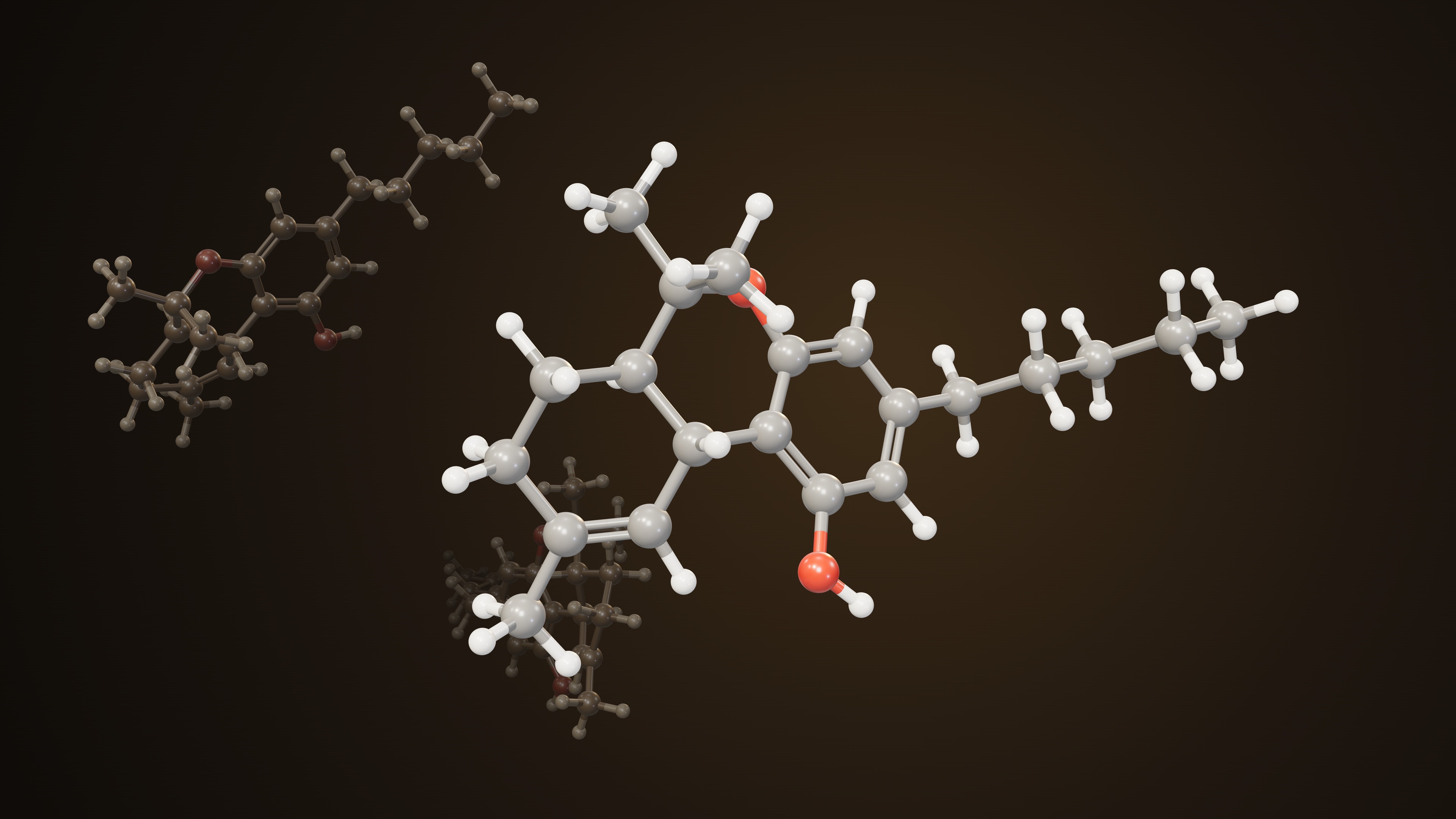
You may have heard about marijuana in the news, on a TV series, or out of worry about someone close to you. Maybe as a parent you want to protect your child, or maybe you want to understand how it differs from CBD. This article was written to inform; it does not encourage use and does not describe methods of use. You’ll find what marijuana is, what research says about its health risks and medical use, and the rules in Turkey.
What’s in this article?9 sections
What is marijuana?
Marijuana (also spelled marihuana) comes from the cannabis plant (Cannabis sativa). Hemp and marijuana are the same plant species; the difference between them is the amount of THC (tetrahydrocannabinol) in the plant (McPartland 2018). More: the difference between hemp and marijuana.
THC is the main intoxicating substance in cannabis. In the plant, it is first present in an "acid" form called THCA; over time or with heat, it turns into THC (Radwan 2021). Besides THC, cannabis also contains substances that do not cause a high, such as CBD; this family of substances is called cannabinoids .
Marijuana is stronger today than it used to be. In samples seized in the US, the THC content rose from about 4% in 1995 to about 12% in 2014; over the same period, CBD decreased, and the ratio of THC to CBD rose from 14 times to about 80 times (ElSohly 2016). The authors of the same study note that marijuana is the most widely used illegal substance in the US and worldwide.
Are "sativa" and "indica" really different?
On the street and online, you often hear distinctions such as "sativa gives you energy, indica relaxes you." Scientific studies do not support this: the everyday names "Sativa" and "Indica" do not match scientific classification and have largely lost their meaning because of widespread crossbreeding (McPartland 2018). In a genetic study of more than 100 samples, plants carrying these labels could not be told apart across the genome (Watts 2021).
How does marijuana act in the body?
Our bodies have a system made up of cannabinoid-like substances that we produce ourselves and the receptors these substances bind to. The most common of these receptors is CB1, which is abundant in the brain; THC produces its effects by stimulating these receptors (Lu and Mackie 2016; Pertwee 2008).
In the short term, THC impairs short-term memory, coordination and judgment; in large amounts, it can lead to paranoia and symptoms of psychosis (Volkow 2014). According to a comprehensive review by the US National Academies, there is moderate evidence that learning, memory and attention are impaired during marijuana use (NASEM 2017).
What does research say about the health risks?
- Addiction: Addiction develops in about 9% of people who try marijuana, in about one in six of those who start in their teens, and in 25–50% of those who use it every day (Volkow 2014). According to an analysis combining many studies, about 22% of people who use marijuana have cannabis use disorder; among those who use it regularly in their teens, the risk of addiction rises to 33% (Leung 2020).
- Mental health: There is strong evidence of a link between marijuana use and the development of schizophrenia and other psychoses; the risk is highest among the most frequent users (NASEM 2017). In a study at 11 centers in Europe and Brazil, people who used high-THC marijuana every day were about 5 times as likely to have psychosis as people who had never used it (Di Forti 2019).
- Young people: Frequent use in adolescence has been linked to changes in brain development, declining school performance and lower IQ scores (Volkow 2014). Starting at an early age is a known risk factor for problem use (NASEM 2017).
- Traffic: Marijuana use is associated with an increased risk of traffic accidents (NASEM 2017); THC impairs driving ability (Volkow 2014).
- Lungs: Inhaling marijuana smoke over a long period is associated with worse respiratory symptoms and more frequent episodes of chronic bronchitis (NASEM 2017).
- Pregnancy: Smoking marijuana during pregnancy is associated with low birth weight in the baby (NASEM 2017). The US Food and Drug Administration (FDA) strongly advises against any use of marijuana, including THC and CBD, during pregnancy and breastfeeding (FDA 2019).
- Accidental poisoning in children: In the US, cases of children under 6 accidentally eating marijuana edibles rose from 207 in 2017 to 3,054 in 2021; 97.7% of cases happened at home, and 22.7% of the children were admitted to the hospital (Tweet 2023).
The US National Academies also stress that, unlike alcohol or tobacco, there is no accepted standard for safe use or dosing of marijuana (NASEM 2017).
Medical use: what is known?
In some countries, certain medicines containing THC are used for certain conditions under a doctor’s supervision. In 2017, the US National Academies found strong evidence that cannabis and cannabinoids are effective for chronic pain in adults, for nausea and vomiting caused by chemotherapy (oral cannabinoid medicines), and for the muscle stiffness reported by people with MS (NASEM 2017). The effects are often small: oral medical cannabis products gave a small improvement in chronic pain while increasing side effects such as drowsiness and dizziness (Wang 2021).
According to the same report, there is not enough evidence that cannabinoids treat cancer; for eye pressure in glaucoma, the limited evidence available suggests they are ineffective (NASEM 2017). These findings apply to medicines with known contents; marijuana found on the street is not a medicine and does not replace medical treatment. For research on CBD, which does not cause a high, see: What is CBD?, the differences between THC and CBD.
Legal status worldwide and in Turkey
International: On December 2, 2020, the United Nations Commission on Narcotic Drugs voted 27 to 25 to remove cannabis from the strictest control list (Schedule IV) of the 1961 Single Convention. This decision aims to open the way for medical research; under international conventions, however, using cannabis for non-medical and non-scientific purposes remains illegal (UN News, 2020). Some countries have adopted different rules in their own laws.
Turkey: Marijuana is classed as a narcotic drug. Under Law No. 2313, planting cannabis to obtain marijuana and growing cannabis without a permit are prohibited (Law No. 2313). Under the Turkish Penal Code (TCK):
- Buying, accepting, possessing or using a narcotic drug for personal use carries a prison sentence of two to five years. For this offense, the filing of a public prosecution is deferred for five years; the person is placed on probation for at least one year and given treatment if needed (Art. 191).
- Making it easier to use narcotic drugs, telling others about methods of use, or publicly encouraging use carries a prison sentence of five to ten years (Art. 190).
- Selling or giving narcotic drugs to someone else, or producing them without a license, carries much heavier penalties; the penalty is increased if the substance is given to a child (Art. 188).
Cannabis-derived products, including CBD, are subject to separate rules and can be sold only in pharmacies (Law No. 7557; regulation of January 31, 2026). More: CBD regulations in Turkey. This section is not legal advice.
If you are worried about yourself or someone close to you
It’s completely understandable to feel worried about marijuana use, and asking for help is not a weakness. You can talk with your family doctor or a psychiatrist. The 115 helpline of the Yeşilay Counseling Center (YEDAM) offers free psychological and social support to people living with addiction and their loved ones; it serves people aged 12 and over (YEDAM). If your child has accidentally eaten a marijuana product, or if you see someone who is seriously unwell, go to the nearest emergency department without delay.
Conclusion
Marijuana is an intoxicating substance obtained from the THC-rich parts of the cannabis plant; today’s marijuana contains much more THC than in the past. Research shows that regular use carries risks for addiction, mental health, traffic safety and pregnancy, while the medical use of some medicines containing THC is limited to certain conditions and to use under a doctor’s supervision. Talking with a health professional about any questions you have is always a good start.
This article is for information only; it does not encourage substance use, does not describe methods of use, and is not a diagnosis or treatment recommendation. How we prepare our content: Editorial Policy. If you spot an error, write to [email protected] .
Frequently asked questions
What is marijuana?
Marijuana (also spelled marihuana) is an intoxicating substance obtained from the THC-rich flowers and leaves of the cannabis plant. It comes from the same plant species as hemp; the difference is the amount of THC it contains. In Turkey, it is classed as a narcotic drug.
Are marijuana and CBD the same thing?
No. The main intoxicating substance in marijuana is THC. CBD is also found in cannabis, but it does not cause a high and is subject to separate rules in Turkey; cannabis-derived CBD products can be sold only in pharmacies.
Is marijuana addictive?
Yes, it can be. Addiction develops in about 9% of people who try marijuana, in about one in six of those who start in their teens, and in 25–50% of those who use it every day. Starting at an early age and frequent use increase the risk.
Does marijuana have medical uses?
In some countries, certain medicines containing THC are used under a doctor’s supervision for conditions such as chronic pain, chemotherapy-related nausea and MS-related muscle stiffness; their effects are often small, and they have side effects. Marijuana found on the street is not a medicine and does not replace medical treatment.
Is marijuana legal in Turkey?
No. Planting cannabis to obtain marijuana is prohibited; buying, possessing or using it for personal use is a crime under the Turkish Penal Code that carries a prison sentence of two to five years. For this offense, the filing of a public prosecution is deferred, and probation and, if needed, treatment are applied.
Where can I get help for someone close to me?
You can talk with your family doctor or a psychiatrist. The 115 helpline of the Yeşilay Counseling Center (YEDAM) offers free psychological and social support to people living with addiction and their loved ones. In an emergency, go to the nearest emergency department.
References
Show 19 references
- McPartland JM. Cannabis Systematics at the Levels of Family, Genus, and Species. Cannabis Cannabinoid Res. 2018. PMID 30426073
- Radwan MM, et al. Cannabinoids, Phenolics, Terpenes and Alkaloids of Cannabis. Molecules. 2021. PMID 34066753
- ElSohly MA, et al. Changes in Cannabis Potency Over the Last 2 Decades (1995-2014): Analysis of Current Data in the United States. Biol Psychiatry. 2016. PMID 26903403
- Watts S, et al. Cannabis labelling is associated with genetic variation in terpene synthase genes. Nat Plants. 2021. PMID 34650264
- Lu HC, Mackie K. An Introduction to the Endogenous Cannabinoid System. Biol Psychiatry. 2016. PMID 26698193
- Pertwee RG. The diverse CB1 and CB2 receptor pharmacology of three plant cannabinoids: delta9-tetrahydrocannabinol, cannabidiol and delta9-tetrahydrocannabivarin. Br J Pharmacol. 2008. PMID 17828291
- Volkow ND, et al. Adverse health effects of marijuana use. N Engl J Med. 2014. PMID 24897085
- National Academies of Sciences, Engineering, and Medicine. The Health Effects of Cannabis and Cannabinoids: The Current State of Evidence and Recommendations for Research. National Academies Press. 2017. PMID 28182367
- Leung J, et al. What is the prevalence and risk of cannabis use disorders among people who use cannabis? a systematic review and meta-analysis. Addict Behav. 2020. PMID 32485547
- Di Forti M, et al. The contribution of cannabis use to variation in the incidence of psychotic disorder across Europe (EU-GEI): a multicentre case-control study. Lancet Psychiatry. 2019. PMID 30902669
- US FDA. What You Should Know About Using Cannabis, Including CBD, When Pregnant or Breastfeeding. 2019.
- Tweet MS, et al. Pediatric Edible Cannabis Exposures and Acute Toxicity: 2017-2021. Pediatrics. 2023. PMID 36594224
- Wang L, et al. Medical cannabis or cannabinoids for chronic non-cancer and cancer related pain: a systematic review and meta-analysis of randomised clinical trials. BMJ. 2021. PMID 34497047
- UN News. UN commission reclassifies cannabis, yet still considered harmful. December 2, 2020.
- Law No. 2313, Uyuşturucu Maddelerin Murakabesi Hakkında Kanun (Law on the Control of Narcotic Substances) (current text, mevzuat.gov.tr).
- Law No. 5237, Türk Ceza Kanunu (Turkish Penal Code), Art. 188, 190 and 191 (current text, mevzuat.gov.tr; accessed October 20, 2026).
- Law No. 7557. Official Gazette 32965, July 24, 2025.
- Ministry of Health of the Republic of Turkey. Kenevirden Elde Edilen Ürünlere Dair Yönetmelik (Regulation on Products Derived from Hemp). Official Gazette 33154, January 31, 2026.
- Yeşilay Counseling Center (YEDAM). 115 Helpline (accessed October 20, 2026).
 Your Body's Hidden Balancing System: The Endocannabinoid System (ECS) and CBD's Role
 What Is THC? Differences Between THC and CBD, Their Effects and Legal Status
 What Is THCV (Tetrahydrocannabivarin)? The Molecule, the Research and Its Legal Status
 What Is Cannabinol (CBN)? Sleep Claims and Research