
Focus, Cognitive Performance and CBD: A Scientific Review
If your attention often wanders, it is only natural to wonder whether CBD could help. We explain in plain language what studies on attention and memory have found, possible side effects and what you can discuss with your doctor.
By: cbd.school editorial teamUpdated: 13 sources
Quick check
This article is prepared according to our editorial policy.
- We do not sell products, recommend brands or give personal doses.
- We base health information on peer-reviewed studies or official bodies. If the evidence is weak, we say so clearly: How do we rate the strength of evidence?
- If you spot an error, write to us through the contact form . We check it against the source, correct it if it is right and update the page's date.
More detail: Editorial Policy. Our content is for information only; it does not replace diagnosis or treatment.
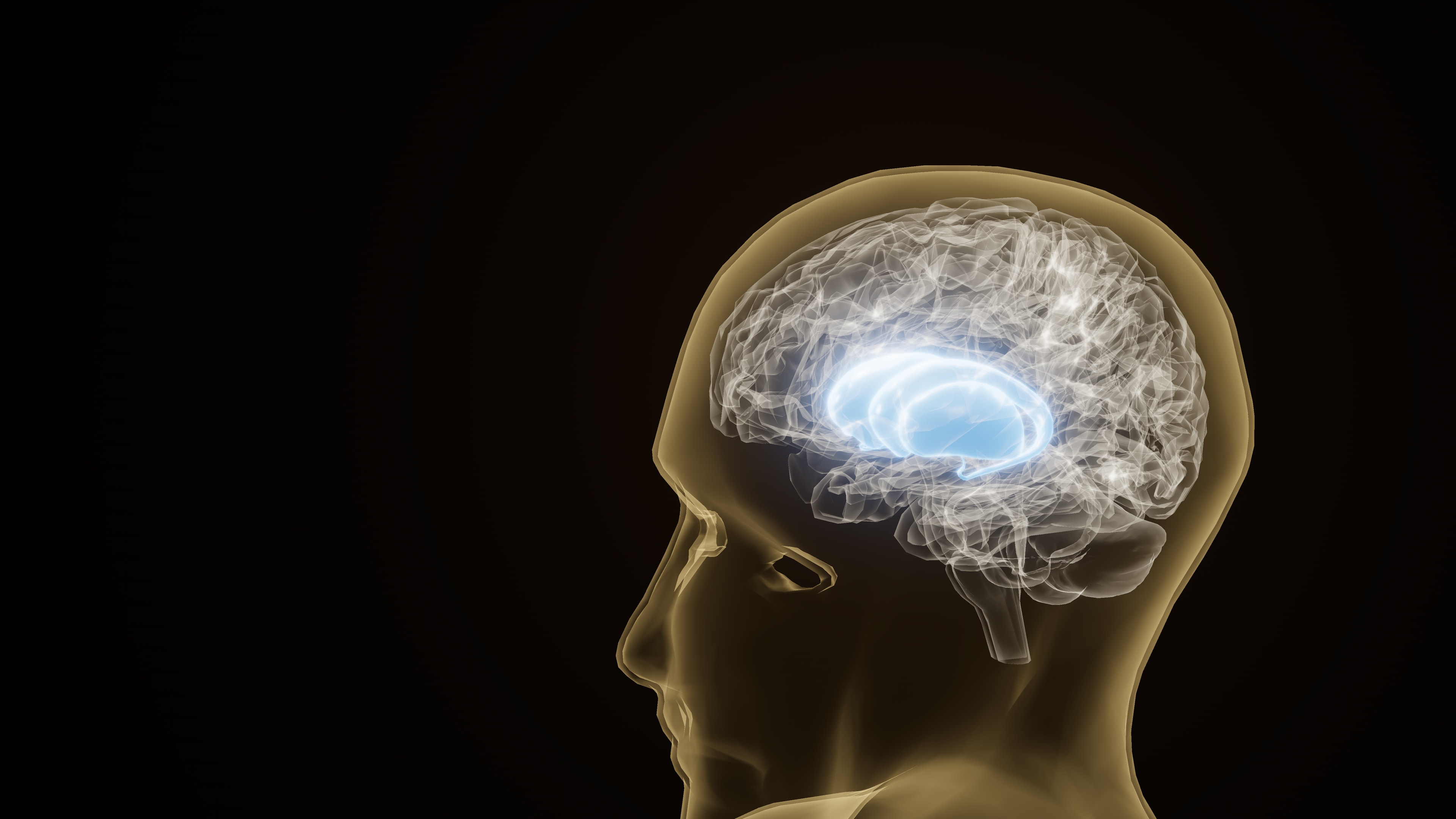
Your mind drifting elsewhere again and again while you read, struggling to get started on a task, or feeling "foggy" at the end of the day are very common complaints. That is why people often ask whether CBD helps with focus. In this article, we explain in plain language how CBD has been studied for attention and memory, what the studies have found, possible side effects and what you can discuss with your doctor.
What’s in this article?9 sections
Why does focus slip?
Focus is not a single skill; it takes holding information in mind, ignoring distractions and switching between tasks, all together. Many things can upset this balance: not enough sleep, stress and anxiety, depression, attention-deficit/hyperactivity disorder (ADHD), some medicines or other health problems. Because the causes are so varied, the first step is to understand what makes focusing hard in your case.
Why are people curious about CBD?
CBD (cannabidiol) is a substance found in cannabis that does not make you high. Two ideas about focus stand out:
- The indirect route: If CBD reduces anxiety or improves sleep, focus may improve on its own.
- The direct route: CBD may change attention and memory by affecting how some areas of the brain work and the endocannabinoid system .
In animal studies, CBD improved performance on some memory tests, while on others its effect was small or inconsistent; the authors note that the evidence in humans is limited (Jantsch 2026). Only controlled studies can show whether either idea really works in people.
What does the research say?
In controlled studies, participants are randomly assigned to groups; one group takes CBD and the other takes an inactive pill that looks the same (placebo). For focus, most studies of this kind have been done in healthy volunteers with a single dose.
Attention and memory in healthy people
- 60 healthy volunteers: A high single dose of CBD did not change mood, working memory, thinking speed or attention. THC, on the other hand, impaired attention and thinking speed; CBD given beforehand did not prevent this impairment (Woelfl 2020).
- 40 university students: After a single dose of CBD, most tests showed no difference from placebo; however, on one attention test, lapses of attention lasted slightly longer in the CBD group (76 vs. 66 milliseconds). The authors note that CBD may affect some aspects of alertness (Rudisill 2023).
- 15 healthy volunteers, brain imaging: CBD increased blood flow in the hippocampus, a brain area important for memory; performance on memory tests, however, did not change (Bloomfield 2020).
Daytime performance in people with insomnia
In a study of 30 people with insomnia, CBD taken every night for two weeks did not affect next-day tests of attention, thinking and memory any differently from placebo. Those taking CBD reported feeling slightly calmer and more "clear-headed," and dry mouth was also more common (Narayan 2025). In other words, CBD did not impair daytime performance, but it was not shown to improve it either.
ADHD
No controlled study of pure CBD in ADHD was found. A small pilot study of 30 adults with ADHD used a mouth spray containing THC and CBD; on the main measure, a test of attention and activity, there was no significant difference from placebo. Borderline improvements on some secondary measures did not remain significant once the large number of tests was taken into account (Cooper 2017). A comprehensive analysis in 2026 also did not find enough data to assess ADHD (Wilson 2026).
The indirect route: anxiety and sleep
The idea that "if anxiety and sleep improve, focus will improve too" may seem logical, but both steps are weak. In anxiety, controlled studies show low-quality evidence and a limited effect (Raminelli 2025). In sleep, products containing only CBD did not significantly improve sleep quality compared with placebo (da Silva 2025). There is also no study that tests this chain from start to finish. Details on our anxiety and sleep pages.
Question | What we know today |
|---|---|
Does it improve attention in healthy people? | No clear difference in controlled studies; a small sign of attention lapses in one study. |
Does it strengthen memory? | Blood flow in the brain changed; memory performance did not. |
Does it work in ADHD? | No controlled study with pure CBD. |
Does it help through anxiety or sleep? | The evidence for both steps is weak; the chain has not been tested. |
Possible side effects and drug interactions
- Drowsiness and tiredness: These are among the side effects most often reported in studies (Berger 2022); they can make focusing harder rather than easier.
- THC: "Full-spectrum" products may contain small amounts of THC; THC can impair attention and thinking speed (Woelfl 2020). If you drive, you can look at our driving page .
- Liver: In a controlled study of healthy adults, liver enzymes rose to more than 3 times the normal level in 5.6% of those taking CBD for 28 days; this was not seen in the placebo group (Florian 2025).
- Drug interactions: CBD can slow the breakdown of some medicines in the body; for example, in people taking citalopram and escitalopram, blood levels of these medicines went up (Anderson 2021). We did not find a direct interaction study with ADHD medicines; this does not mean there is no interaction.
A detailed list is on the drug interactions page.
How was it used in studies?
The following only shows how the research was done (study doses; not a personal recommendation):
- Healthy volunteers were given a single dose of 300, 600 or 800 mg of CBD by mouth.
- In the insomnia study, 150 mg was used every night for two weeks.
- The ADHD pilot study used a mouth spray containing THC and CBD that is licensed as a medicine in some countries.
There is no CBD dose that has been tested for focus.
If you are thinking about using CBD
Trouble focusing can wear you down both at work and in your personal life; it is only natural to look for a solution. You can talk with your doctor about:
- Your sleep patterns, your stress and anxiety levels, and your mood.
- Whether an ADHD evaluation is right for you.
- The medicines you take and whether they could interact with CBD.
- Liver disease, pregnancy or breastfeeding.
- If you are drug tested at work, the risk of products that may contain THC (drug test page).
In Turkey, products made from cannabis, including CBD, can be sold only in pharmacies (Law No. 7557, regulation of January 31, 2026). Those classified as medicines or health products are dispensed with a prescription; no prescription requirement is stated for supplement products with a THC content of at most 0.3%. As of October 2026, there is no approved CBD medicine in Turkey. Details on our page on the rules.
Conclusion
According to current studies, CBD does not noticeably change attention or memory in healthy people, and pure CBD has not yet been tested in controlled studies in ADHD. Because trouble focusing has many possible causes, looking into the cause together with a doctor is the most useful first step.
Frequently asked questions
Does CBD improve focus or attention?
Current studies do not show this. In controlled studies of healthy volunteers, a single dose of CBD did not noticeably change attention, memory or thinking speed. In one study, lapses of attention on an attention test were slightly longer.
Can CBD be used for ADHD?
There is no controlled study of pure CBD in ADHD. In a 30-person pilot study with a spray containing THC and CBD, there was no significant difference from placebo on the main measure. Talk with your doctor about ADHD treatment, and do not change your medicines on your own.
Does CBD help with focus by reducing anxiety?
This is an assumption and has not been tested in people. On top of that, the evidence in anxiety is also weak: there are some positive results with single doses, but results with long-term use are not consistent. Products containing only CBD also did not significantly improve sleep quality compared with placebo.
Can CBD make you drowsy and hurt your focus?
Tiredness and drowsiness are among the side effects most often reported in studies. In people with insomnia, CBD taken every night did not impair next-day performance; however, products containing THC can impair attention and thinking speed.
Where can CBD products be bought in Turkey?
In Turkey, products made from cannabis, including CBD, can be sold only in pharmacies (Law No. 7557, regulation of January 31, 2026). Those classified as medicines or health products are dispensed with a prescription; no prescription requirement is stated for supplement products with a THC content of at most 0.3%. As of October 2026, there is no approved CBD medicine in Turkey.
References
Show 13 references
- Jantsch J, et al. Effects of cannabidiol on anxiety- and depressive-like behaviors and cognition: a systematic review and meta-analysis of preclinical studies. Mol Psychiatry. 2026. PMID 42380607
- Woelfl T, et al. Effects of Cannabidiol and Delta-9-Tetrahydrocannabinol on Emotion, Cognition, and Attention: A Double-Blind, Placebo-Controlled, Randomized Experimental Trial in Healthy Volunteers. Front Psychiatry. 2020. PMID 33304282
- Rudisill TM, et al. The effects of cannabidiol on subjective states, cognition, and psychomotor function in healthy adults: A randomized clinical trial. Fundam Clin Pharmacol. 2023. PMID 36625844
- Bloomfield MAP, et al. The effects of acute cannabidiol on cerebral blood flow and its relationship to memory: An arterial spin labelling magnetic resonance imaging study. J Psychopharmacol. 2020. PMID 32762272
- Narayan AJ, et al. The effect of nightly use of 150 mg cannabidiol on daytime neurocognitive performance in primary insomnia: a randomized controlled pilot trial. Psychopharmacology (Berl). 2025. PMID 39153080
- Cooper RE, et al. Cannabinoids in attention-deficit/hyperactivity disorder: A randomised-controlled trial. Eur Neuropsychopharmacol. 2017. PMID 28576350
- Wilson J, et al. The efficacy and safety of cannabinoids for the treatment of mental disorders and substance use disorders: a systematic review and meta-analysis. Lancet Psychiatry. 2026. PMID 41856154
- Raminelli AO, et al. Effects of Different Cannabinoid Formulations on Anxiety-Related Disorders, and Tourette Syndrome: A Systematic Review and Meta-Analysis. Cannabis Cannabinoid Res. 2025. PMID 40956670
- da Silva GHS, et al. Effectiveness of cannabinoids on subjective sleep quality in people with and without insomnia or poor sleep: A systematic review and meta-analysis of randomised studies. Sleep Med Rev. 2025. PMID 40929927
- Berger M, et al. Cannabidiol for Treatment-Resistant Anxiety Disorders in Young People: An Open-Label Trial. J Clin Psychiatry. 2022. PMID 35921510
- Florian J, et al. Cannabidiol and Liver Enzyme Level Elevations in Healthy Adults: A Randomized Clinical Trial. JAMA Intern Med. 2025. PMID 40622698
- Anderson LL, et al. Citalopram and Cannabidiol: In Vitro and In Vivo Evidence of Pharmacokinetic Interactions Relevant to the Treatment of Anxiety Disorders in Young People. J Clin Psychopharmacol. 2021. PMID 34121064
- Ministry of Health. Regulation on Products Derived from Hemp. Official Gazette, January 31, 2026, issue 33154. Official Gazette 33154
 Sports Injuries and CBD: What Does the Research Say?
 Orthopedic Conditions and CBD: What the Research Shows
 Nighttime Panic Attacks and CBD: What Does the Research Say?
 Epilepsy and Cannabidiol: Scientific Evidence and Clinical Use