
Sports Injuries and CBD: What Does the Research Say?
More and more athletes are trying CBD for post-workout pain and injuries. In this article we explain what the first controlled studies of CBD in sports found and what you need to know about drug testing.
By: cbd.school editorial teamUpdated: 16 sources
Quick check
This article follows our editorial policy.
- We don't sell products, recommend brands or give personal doses.
- We base health information on peer-reviewed studies or official bodies. When the evidence is weak, we say so plainly: How do we rate the strength of evidence?
- If you spot an error, write to us through the contact form. We check it against the source, correct it if it is wrong, and update the page date.
Details: Editorial Policy. Our content is for information only; it does not replace diagnosis or treatment.
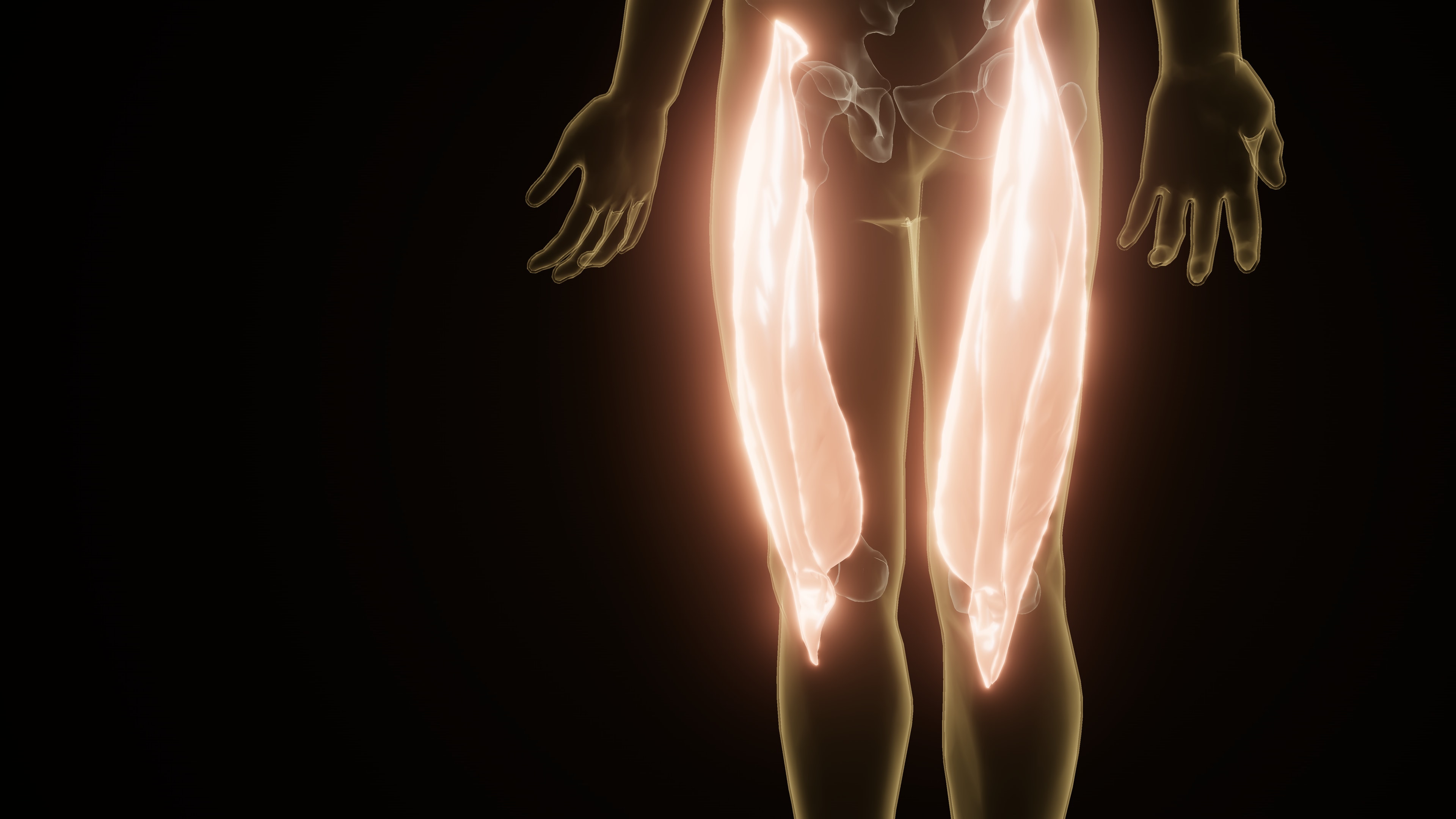
For someone who plays sports, an injury doesn't just mean pain: being away from training, losing form and the question "When can I come back?" are part of it too. That is why many athletes who are wary of painkillers' side effects or want to recover faster are curious about CBD. In this article we explain in plain language what studies show about CBD for sports injuries and recovery after exercise, the risks related to drug testing, and what you can talk about with your sports medicine doctor.
What’s in this article?10 sections
Common sports injuries
Most sports injuries come with pain, swelling and limited movement. Common ones include:
- Sprains and strains: Stretching or tearing of ligaments or muscles; most common in the ankle and knee.
- Tendon problems: Tendon inflammation that develops with repetitive loading, such as Achilles tendon problems, tennis elbow or jumper's knee.
- Muscle soreness after exercise: Pain that builds a day or two after unaccustomed or intense exercise and is linked to small injuries in muscle fibers.
- Fractures and head injuries: Especially in contact sports.
Depending on the type of injury, rest, cold therapy, physical therapy, painkillers and, when needed, surgery are used; a sports medicine doctor or orthopedic specialist decides which is appropriate.
Why are people curious about CBD?
CBD (cannabidiol) is a compound found in the cannabis plant that, unlike THC, does not cause a high or mental fog. The World Anti-Doping Agency (WADA) has not kept CBD on its prohibited list since 2018, and athletes use CBD for recovery, sleep or anxiety (Gillham 2026). Some effects related to inflammation and pain seen in lab and animal studies have also fueled interest; details are in our article on CBD and inflammation. For example, in rats, CBD increased the strength of healing thigh bone fractures (Kogan 2015). This is an animal experiment; CBD has not been shown to speed up fracture healing in humans.
What does the research say?
Whether a treatment works is best shown by controlled studies in which participants are randomly assigned to groups and one group takes a product that looks the same but has no active ingredient (placebo). Studies of CBD in sports have mostly been done in healthy volunteers, on muscle damage induced in the lab; there are no studies with real injuries.
CBD by mouth and recovery
- 13 untrained men: In those who took 150 mg of CBD oil three times after exercise that strained the arm muscles, muscle soreness, swelling and loss of strength did not differ from placebo (Cochrane-Snyman 2021).
- 24 well-trained female athletes: CBD taken before and after intense leg exercise did not change blood markers of inflammation, muscle damage, fatigue or performance (Crossland 2022).
- 17 trained athletes: In a six-day intensive training program, 60 mg of CBD was taken after each session; neither of two different CBD products had a clear effect on performance or inflammation measures (Isenmann 2024).
- 29-person pilot study: Those who took a CBD-rich cannabis extract under the tongue reported less pain and loss of strength 48 hours after damage induced in the thigh muscles. This study was designed mainly to measure feasibility; the researchers stress that the result needs to be confirmed in larger studies (Stauffer 2026).
A review of seven studies reached a similar conclusion: CBD may have a limited effect on some measures, such as oxygen use and average power, but data on strength and recovery are limited (Bezuglov 2024).
CBD on the skin and muscle soreness
In a 28-person study of a CBD cream applied to the skin for muscle soreness after exercise, there was no difference from placebo in pain, pain threshold for pressure or performance (Pastina 2025). Another 15-person study also found no difference in delayed muscle soreness; only one strength measure showed a moderate difference (Mendes 2026). Many athletes say a CBD cream gives them relief; but other ingredients such as menthol, and expectations, can also affect this feeling. Details on creams are in our article on CBD creams.
Acute pain and after surgery
In a review of controlled studies of pure CBD for pain, CBD was not found better than placebo in 15 of 16 studies (Moore 2024). After shoulder surgery, CBD absorbed through the cheek slightly reduced pain on the first day, with no difference on the following days, and painkiller use did not change (Alaia 2022). Details are in our article on orthopedic conditions.
A note on drug testing for athletes
CBD has not been on WADA's prohibited list since 2018. But according to the 2026 list, natural and synthetic cannabinoids other than CBD, including THC, are prohibited in competition (WADA 2026). The problem often lies in what the product contains:
- THC not listed on the label was found in about one in five CBD products bought online (Bonn-Miller 2017).
- In people who used 150 mg a day of a "broad-spectrum" CBD product for 10 weeks, no THC was found in urine, but prohibited CBG and CBDV were detected; this rate increased after exercise (from 68% to 84% for CBDV) (Gillham 2026).
Details are on our Athletes and CBD page.
Possible side effects and drug interactions
- Common side effects: Fatigue, diarrhea, and changes in appetite or weight (Iffland 2017). Sleepiness can affect training and competition performance.
- Liver: In a 4-week study in healthy adults, liver enzymes rose markedly in 5.6% of those taking 5 mg of CBD per kilogram per day (Florian 2025).
- Painkillers: No meaningful documented interaction with drugs such as ibuprofen is known, but there are no direct studies either. For other medicines, see our drug interactions page.
How was it used in the studies?
- 150 mg of CBD oil three times after exercise,
- 5 mg of CBD per kilogram, three times before and after exercise,
- 60 mg of CBD after each training session,
- 67 mg a day of a CBD-rich extract under the tongue (15 days),
- About 100 mg of CBD per application in a cream applied to the skin.
These are study doses, not personal recommendations. With most of these doses, no clear difference from placebo was seen in recovery.
If you are considering CBD
It is very understandable that you want to get over an injury as soon as possible. You can talk about the following with your sports medicine doctor or team doctor:
- The type of injury, the recovery time and a rehabilitation program that suits you.
- If you are a licensed athlete, the drug testing risk of the product you are considering.
- The painkillers and other medicines you take.
- If you have had a concussion or head injury, having your symptoms assessed by a doctor; there is no human study looking at CBD's effect on this.
In Turkey, cannabis-derived products, including CBD, can be sold only in pharmacies (Law No. 7557, regulation of January 31, 2026). Those classed as medicines or health products are dispensed on prescription; no prescription requirement is stated for supplement products with at most 0.3% THC. As of October 2026, there is no approved CBD medicine in Turkey. Details are on our regulations page.
Conclusion
The first controlled studies of CBD in sports are small and mostly about muscle soreness after exercise; in most of them, no clear difference was seen between those who took CBD and those who did not. There are not yet any human studies on the injuries themselves, and for licensed athletes, product contents carry a separate risk. Rest, proper rehabilitation and a plan made with your sports medicine doctor are the most solid path today; if you are curious about CBD, you can bring that up in the same conversation.
Frequently asked questions
Does CBD reduce muscle soreness after exercise?
In most of the small controlled studies on this, CBD taken by mouth or applied to the skin gave no clearly different result from placebo for muscle soreness. A 29-person pilot study showed a positive sign for pain; this needs to be confirmed in larger studies.
Does CBD speed up healing of a sprain or tendon injury?
There is no human study of CBD in real sports injuries. A positive result on fracture healing was seen in rats; that does not mean it will have the same result in humans.
Does CBD count as doping?
CBD itself has not been on WADA's prohibited list since 2018. But according to the 2026 list, cannabinoids other than CBD, including THC, are prohibited in competition. Some CBD products may contain THC or other prohibited cannabis compounds not listed on the label; so the testing risk is not zero.
Are broad-spectrum CBD products safe for athletes?
They may carry a doping risk. In people who used 150 mg a day of a broad-spectrum product for 10 weeks, no THC was found in urine, but prohibited CBG and CBDV were detected, and this rate increased after exercise. If you are a licensed athlete, talk with your team or sports medicine doctor.
Where can CBD products be bought in Turkey?
In Turkey, cannabis-derived products, including CBD, can be sold only in pharmacies (Law No. 7557, regulation of January 31, 2026). Those classed as medicines or health products are dispensed on prescription; no prescription requirement is stated for supplement products with at most 0.3% THC. As of October 2026, there is no approved CBD medicine in Turkey.
References
Show 16 references
- Cochrane-Snyman KC, et al. The Effects of Cannabidiol Oil on Noninvasive Measures of Muscle Damage in Men. Med Sci Sports Exerc. 2021;53(7):1460-1472. PMID 33481484
- Crossland BW, et al. Acute Supplementation with Cannabidiol Does Not Attenuate Inflammation or Improve Measures of Performance following Strenuous Exercise. Healthcare (Basel). 2022;10(6):1133. PMID 35742183
- Isenmann E, et al. Influence of short-term chronic oral cannabidiol application on muscle recovery and performance after an intensive training protocol - a randomized double-blind crossover study. J Int Soc Sports Nutr. 2024;21(1):2337252. PMID 38572744
- Stauffer JW, et al. Efficacy and safety of cannabidiol (CBD) on reducing pain and functional impairment associated with exercise-induced muscle injury: a randomized placebo-controlled feasibility trial. J Cannabis Res. 2026;8(1). PMID 41918004
- Bezuglov E, et al. The Effect of Cannabidiol on Performance and Post-Load Recovery among Healthy and Physically Active Individuals: A Systematic Review. Nutrients. 2024;16(17):2840. PMID 39275158
- Pastina JT, et al. Topical Cannabidiol Application May Not Attenuate Muscle Soreness or Improve Performance: A Randomized, Double-Blinded, Placebo-Controlled Pilot Study. Cannabis Cannabinoid Res. 2025;10(3):445-456. PMID 38980809
- Mendes A, et al. Topical application of cannabidiol for muscle recovery after exercise-induced muscle damage: a randomized, double-blinded pilot study. J Cannabis Res. 2026;8(1). PMID 41877261
- Moore A, et al. Cannabidiol (CBD) Products for Pain: Ineffective, Expensive, and With Potential Harms. J Pain. 2024;25(4):833-842. PMID 37863344
- Alaia MJ, et al. Buccally Absorbed Cannabidiol Shows Significantly Superior Pain Control and Improved Satisfaction Immediately After Arthroscopic Rotator Cuff Repair: A Placebo-Controlled, Double-Blinded, Randomized Trial. Am J Sports Med. 2022;50(11):3056-3063. PMID 35905305
- Kogan NM, et al. Cannabidiol, a Major Non-Psychotropic Cannabis Constituent Enhances Fracture Healing and Stimulates Lysyl Hydroxylase Activity in Osteoblasts. J Bone Miner Res. 2015;30(10):1905-1913. PMID 25801536
- Gillham SH, et al. Daily Use of a Broad-Spectrum Cannabidiol Supplement Produces Detectable Concentrations of Cannabinoids in Urine Prohibited by the World Anti-Doping Agency: An Effect Amplified by Exercise. Med Sci Sports Exerc. 2026;58(1):121-131. PMID 40920736
- Bonn-Miller MO, et al. Labeling Accuracy of Cannabidiol Extracts Sold Online. JAMA. 2017;318(17):1708-1709. PMID 29114823
- World Anti-Doping Agency (WADA). The 2026 Prohibited List (S8 Cannabinoids). wada-ama.org
- Iffland K, Grotenhermen F. An Update on Safety and Side Effects of Cannabidiol: A Review of Clinical Data and Relevant Animal Studies. Cannabis Cannabinoid Res. 2017;2(1):139-154. PMID 28861514
- Florian J, et al. Cannabidiol and Liver Enzyme Level Elevations in Healthy Adults: A Randomized Clinical Trial. JAMA Intern Med. 2025;185(9):1070-1078. PMID 40622698
- Turkish Ministry of Health. Kenevirden Elde Edilen Ürünlere Dair Yönetmelik (Regulation on Products Derived from Hemp). Official Gazette, January 31, 2026, issue 33154. Official Gazette 33154
 Orthopedic Conditions and CBD: What the Research Shows
 Nighttime Panic Attacks and CBD: What Does the Research Say?
 Epilepsy and Cannabidiol: Scientific Evidence and Clinical Use
 Anxiety and Cannabidiol (CBD): What Does the Research Say?