
Nighttime Panic Attacks and CBD: What Does the Research Say?
Waking up in a panic at night can be exhausting. We explain in plain language what a nighttime panic attack is, how CBD has been studied for panic and anxiety, and what you can talk about with your doctor.
By: cbd.school editorial teamUpdated: 16 sources
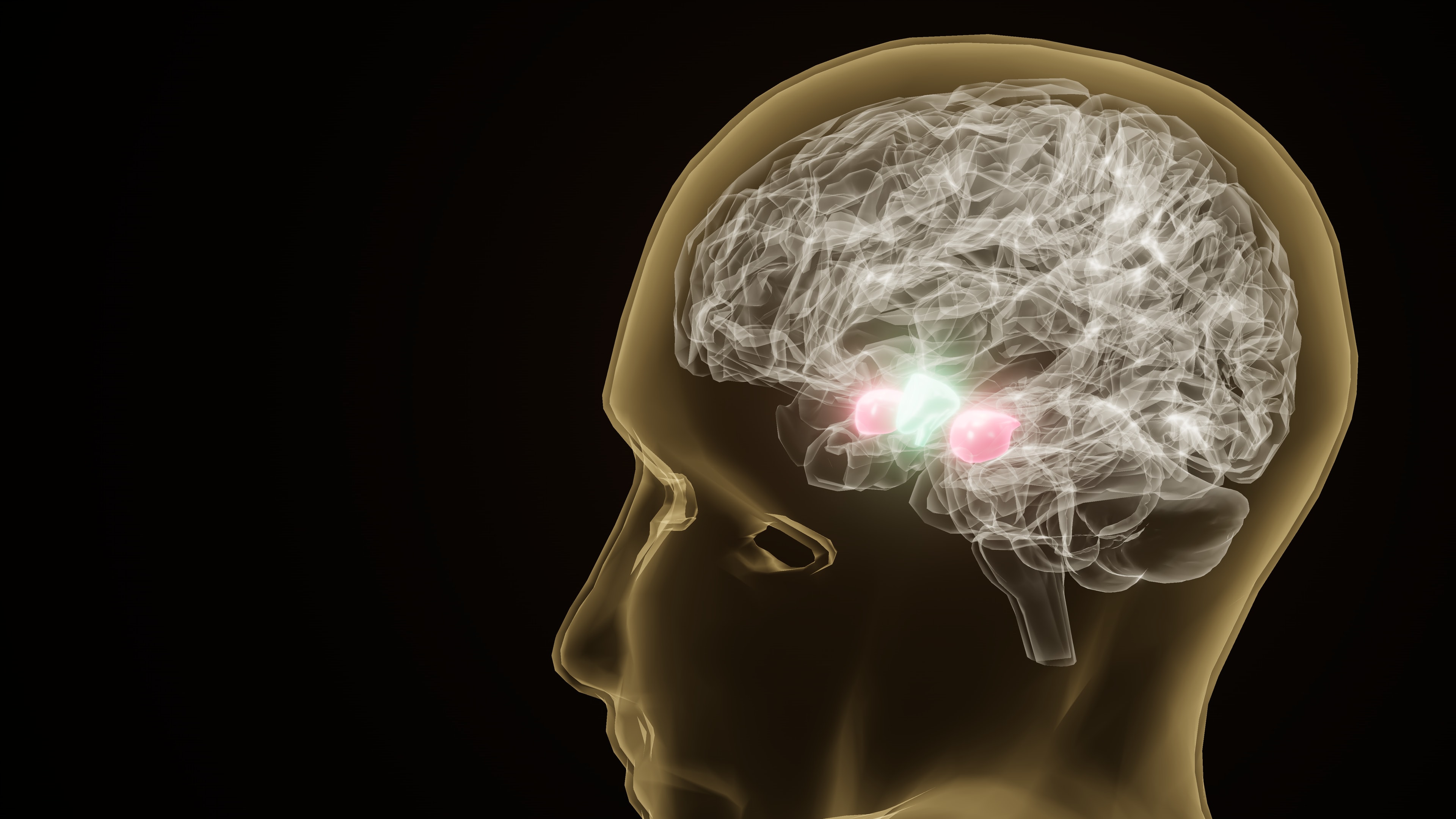
Waking up in the middle of the night with your heart racing and your breath short can wear you out, both in the moment and the next day. That is why many people look for a "natural" way to calm their nights and ask about CBD oil. In this article we explain in plain language what a nighttime panic attack is, how CBD has been studied for panic and anxiety, why the belief that drops "work fast" is not correct, and what you can talk about with your doctor.
What’s in this article?11 sections
What is a nighttime panic attack?
A nighttime (nocturnal) panic attack is waking suddenly from sleep in a state of intense fear and panic. It may come with a pounding heart, shortness of breath, sweating, trembling and a feeling that "something bad is going to happen." Of patients with panic disorder, 44–71% report having had at least one such attack (Craske 2005).
These attacks occur not in REM sleep, when dreams happen, but in deeper non-REM (NREM) sleep. That is why they are different from waking up from a nightmare, from the night terrors seen in children, and from sleep apnea. Doctors first rule out these possibilities; if needed, an overnight study in a sleep lab can be done (Craske 2005).
Why are people curious about CBD?
CBD (cannabidiol) is a compound found in cannabis that does not cause a high. Animal studies and experiments with healthy volunteers have shown signs that it may reduce anxiety; reviews written about panic are based on these data and stress that new studies in panic patients are needed (Soares 2017). CBD's link to the body's endocannabinoid system has also increased interest. But an effect seen in animals or in the lab does not mean it will work for a person who has panic attacks at night.
What does the research say?
The effect of a substance is best shown by controlled studies: participants are randomly assigned to groups; one group takes CBD and the other a drug that looks the same but has no active ingredient (placebo). No study has tested CBD this way for nighttime panic attacks. What we know comes from studies on panic disorder, general anxiety and sleep.
Panic disorder
- 80 patients who had not responded to treatment: In patients with panic disorder (with agoraphobia) or social anxiety disorder, CBD taken before therapy sessions did not change the outcome of therapy differently from placebo (Kwee 2022).
- Panic-like reaction test: In 61 healthy young people, in a panic-like reaction triggered by breathing air enriched with carbon dioxide, none of three different single doses of CBD reduced fear, panic symptoms or heart rate differently from placebo (Leen-Feldner 2025).
General anxiety and public speaking anxiety
In 24 patients with social anxiety, a single dose of CBD reduced anxiety during public speaking more than placebo (Bergamaschi 2011). In a controlled study comparing it with placebo and a sedative drug in healthy volunteers, only a medium dose of CBD reduced anxiety after speaking; low and high doses had no effect (Zuardi 2017). These results concern momentary anxiety that arises during the day; they cannot be carried over to nighttime panic. The details of the anxiety studies are in our article on anxiety and CBD.
A frequently cited case series
The records of 72 patients at a psychiatric clinic who used CBD in addition to their current treatments were reviewed retrospectively. In the first month, the anxiety score fell in 57 patients (79.2%); the sleep score improved in 48 patients (66.7%) but fluctuated over time (Shannon 2019). The 79.2% here is not an amount of reduction in anxiety scores but the share of patients whose anxiety score fell. The study had no comparison group; patients continued their other treatments and knew they were taking CBD. So it cannot be said how much of the improvement was due to CBD.
The sleep side
In an analysis combining six controlled studies (1,077 people), CBD-only products did not significantly improve subjective sleep quality compared with placebo; the improvement came from formulas containing THC (da Silva 2025). In a study of 30 people with insomnia, CBD taken every night for two weeks did not change insomnia severity, time to fall asleep or time spent awake at night differently from placebo (Narayan 2024). THC-containing products, however, can affect sleep in other ways: a single dose of THC+CBD shortened total sleep and dream sleep (REM) in patients with insomnia (Suraev 2026). Details are on the insomnia page.
Topic | Strength of evidence (pure CBD) | In short |
|---|---|---|
Nighttime panic attacks | No direct studies. | |
No difference from placebo in controlled studies. | ||
Some positive signals with a single dose; mixed results with long-term use. | ||
Pure CBD did not significantly improve sleep quality compared with placebo. |
Do drops under the tongue work faster?
A common belief is that CBD oil dropped under the tongue passes quickly into the blood through the mouth and brings fast relief during a panic attack. In a study testing this, eight healthy men took the same CBD oil once as drops under the tongue and once as a capsule. Blood CBD levels did not differ between the two routes; peak levels were reached at about 4 hours with both. The researchers think the drops are largely swallowed before they can be absorbed in the mouth (Johnson 2024). In other words, drops have not been shown to work faster than capsules.
How many drops of CBD oil?
Turn the dose your doctor prescribed into drops.
1. How many mg of CBD are in the bottle?
2. How many ml is the bottle?
3. How many mg did your doctor prescribe?
For 25 mg
5 drops
Each drop contains about 5 mg of CBD.
Your doctor decides the dose. This tool only shows how many drops that is.
For another bottle, a percentage (%) or a syringePossible side effects and drug interactions
- Sleepiness and fatigue: The most commonly reported side effects. In healthy young adults, lapses of attention lasted slightly longer after a single dose of CBD (Rudisill 2023).
- Liver: In a 28-day study, liver enzymes rose in 4 people taking CBD, and 1 person developed a severe drug rash (Crippa 2021).
- Sedatives: The blood level of clobazam, a benzodiazepine, rose markedly with CBD (Geffrey 2015). There are no direct studies with other benzodiazepines such as alprazolam; using them together may increase sleepiness.
- Antidepressants: In people taking citalopram or escitalopram, the drug's blood level rose when CBD was added (Anderson 2021).
- THC-containing products: THC can increase anxiety in some people; "full-spectrum" products may contain small amounts of THC.
A detailed list is on our drug interactions page.
How was it used in the studies?
The following only shows how the research was done (study doses; not a personal recommendation):
- In the panic disorder study, 300 mg of CBD was given before each therapy session.
- In the panic-like reaction test, a single dose of 150, 300 or 600 mg was given 90 minutes before the test.
- In the insomnia study, 150 mg was taken under the tongue 60 minutes before bed.
There is no CBD dose or timing that has been tested for nighttime panic attacks.
What can help with nighttime panic?
For nighttime panic attacks, the approach whose effect is supported by research is cognitive behavioral therapy. This therapy targets interpreting bodily anxiety symptoms as "danger," rapid breathing, and learned fear responses to these symptoms (Craske 2005). Your doctor can also check whether your awakenings have another cause, such as sleep apnea, and discuss medication with you if needed.
If you are considering CBD
When you are having attacks at night, it is completely natural to consider every option. You can talk about the following with your doctor:
- How often your attacks happen, when they started, and whether they also happen during the day.
- The medicines you take, especially sedatives, sleep medicines and antidepressants.
- Liver disease, pregnancy or breastfeeding.
- How you can get cognitive behavioral therapy.
Do not reduce or stop the medicine you take on your own. In Turkey, cannabis-derived products, including CBD, can be sold only in pharmacies (Law No. 7557, regulation of January 31, 2026). Those classed as medicines or health products are dispensed on prescription; no prescription requirement is stated for supplement products with at most 0.3% THC. As of October 2026, there is no approved CBD medicine in Turkey. Details are on our regulations page.
Conclusion
No study has tested CBD directly for nighttime panic attacks, and controlled studies in panic disorder found no difference from placebo. Drops have not been shown to work fast either. There are treatments for nighttime attacks whose effect is supported by research; talking with a doctor or psychologist is the safest step toward finding the path that suits you best.
Frequently asked questions
Does CBD prevent nighttime panic attacks?
No study shows this; there is no study testing CBD directly for nighttime panic attacks. In a controlled study of patients with panic disorder, CBD did not change the outcome of therapy differently from placebo. The evidence on this is insufficient.
Do CBD drops under the tongue work fast during a panic attack?
This has not been shown. In a study comparing drops with capsules, blood CBD levels were similar with both routes, and peak levels were reached at about 4 hours. The researchers think the drops are largely swallowed.
What does the 79% in the case series mean?
This frequently cited figure shows that the anxiety score fell in the first month in 57 of 72 patients using CBD; it does not mean that anxiety fell by 79%. The study had no comparison group and patients continued their other treatments, so the improvement cannot be attributed to CBD.
Can CBD be used with a sedative or sleep medicine?
You need to weigh this together with your doctor. The blood level of some benzodiazepines such as clobazam can rise markedly with CBD, and using them together may increase sleepiness. Do not change your medicines on your own.
Where can CBD oil be bought in Turkey?
In Turkey, cannabis-derived products, including CBD, can be sold only in pharmacies (Law No. 7557, regulation of January 31, 2026). Those classed as medicines or health products are dispensed on prescription; no prescription requirement is stated for supplement products with at most 0.3% THC. As of October 2026, there is no approved CBD medicine in Turkey.
References
Show 16 references
- Craske MG, Tsao JC. Assessment and treatment of nocturnal panic attacks. Sleep Med Rev. 2005. PMID 15893248
- Soares VP, Campos AC. Evidences for the Anti-panic Actions of Cannabidiol. Curr Neuropharmacol. 2017. PMID 27157263
- Kwee CM, et al. Cannabidiol enhancement of exposure therapy in treatment refractory patients with social anxiety disorder and panic disorder with agoraphobia: A randomised controlled trial. Eur Neuropsychopharmacol. 2022. PMID 35561538
- Leen-Feldner EW, et al. A double-blind, randomized, placebo-controlled test of the effects of cannabidiol on fear elicited by a 10% carbon dioxide-enriched air breathing challenge. Psychopharmacology (Berl). 2025. PMID 36241853
- Bergamaschi MM, et al. Cannabidiol reduces the anxiety induced by simulated public speaking in treatment-naïve social phobia patients. Neuropsychopharmacology. 2011. PMID 21307846
- Zuardi AW, et al. Inverted U-Shaped Dose-Response Curve of the Anxiolytic Effect of Cannabidiol during Public Speaking in Real Life. Front Pharmacol. 2017. PMID 28553229
- Shannon S, et al. Cannabidiol in Anxiety and Sleep: A Large Case Series. Perm J. 2019. PMID 30624194
- da Silva GHS, et al. Effectiveness of cannabinoids on subjective sleep quality in people with and without insomnia or poor sleep: A systematic review and meta-analysis of randomised studies. Sleep Med Rev. 2025. PMID 40929927
- Narayan AJ, et al. Cannabidiol for moderate-severe insomnia: a randomized controlled pilot trial of 150 mg of nightly dosing. J Clin Sleep Med. 2024. PMID 38174873
- Suraev A, et al. Acute Effects of Oral Cannabinoids on Sleep and High-Density EEG in Insomnia: A Pilot Randomised Controlled Trial. J Sleep Res. 2026. PMID 40631525
- Johnson DA, et al. Cannabidiol Oil Ingested as Sublingual Drops or Within Gelatin Capsules Shows Similar Pharmacokinetic Profiles in Healthy Males. Cannabis Cannabinoid Res. 2024. PMID 37733294
- Rudisill TM, et al. The effects of cannabidiol on subjective states, cognition, and psychomotor function in healthy adults: A randomized clinical trial. Fundam Clin Pharmacol. 2023. PMID 36625844
- Crippa JAS, et al. Efficacy and Safety of Cannabidiol Plus Standard Care vs Standard Care Alone for the Treatment of Emotional Exhaustion and Burnout Among Frontline Health Care Workers During the COVID-19 Pandemic: A Randomized Clinical Trial. JAMA Netw Open. 2021. PMID 34387679
- Geffrey AL, et al. Drug-drug interaction between clobazam and cannabidiol in children with refractory epilepsy. Epilepsia. 2015. PMID 26114620
- Anderson LL, et al. Citalopram and Cannabidiol: In Vitro and In Vivo Evidence of Pharmacokinetic Interactions Relevant to the Treatment of Anxiety Disorders in Young People. J Clin Psychopharmacol. 2021. PMID 34121064
- Ministry of Health. Kenevirden Elde Edilen Ürünlere Dair Yönetmelik (Regulation on Products Derived from Hemp). Official Gazette, January 31, 2026, issue 33154. Official Gazette 33154
 Epilepsy and Cannabidiol: Scientific Evidence and Clinical Use
 Anxiety and Cannabidiol (CBD): What Does the Research Say?
 Fibromyalgia and CBD: Current Research and Clinical Trials
 Cannabidiol (CBD) and Depression: The Latest Scientific Evidence