
Orthopedic Conditions and CBD: What the Research Shows
When knee, back or shoulder pain drags on, it’s only natural to wonder about CBD. In this article, we look together at what studies of cannabis and CBD have shown for muscle and joint pain.
By: cbd.school editorial teamUpdated: 17 sources
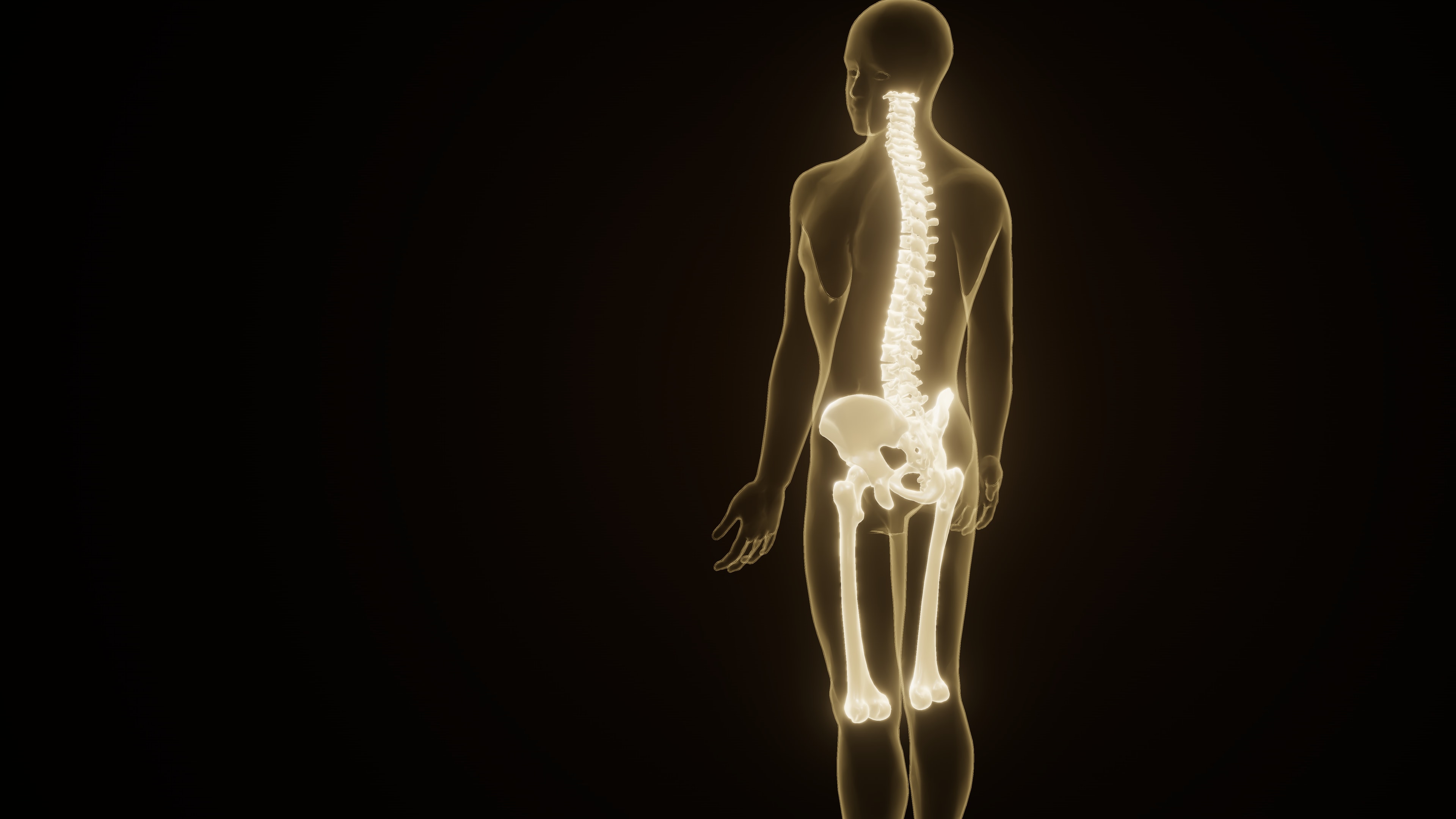
Muscle, joint or back pain can sometimes become a companion that stays for weeks, sometimes for years. That’s why many people who are tired of painkillers, worried about their side effects or looking for relief while waiting for surgery ask about CBD. In this article, we’ve gathered in plain language what studies of cannabis and CBD in orthopedic conditions have shown, the possible side effects, and the topics you can discuss with your doctor. You can find a detailed table of the studies on the arthritis page of the CBD Guide and the chronic pain page.
What’s in this article?9 sections
What are orthopedic conditions?
Orthopedics deals with the body’s movement system: the bones, muscles, joints, tendons and ligaments. Pain in this area can come from an injury, overuse, age-related wear and tear, or an inflammatory disease. The most common ones are:
- Osteoarthritis of the knee, hip and hand joints,
- Low back and neck pain,
- Shoulder problems and tendon inflammation (tendinitis),
- Sports injuries and pain after surgery.
For most of these kinds of pain, approaches such as exercise and physical therapy, weight control, painkillers and, when needed, injections or surgery are used. Which one is right depends on the cause of the pain.
Why are people curious about CBD?
CBD (cannabidiol) is a substance found in the cannabis plant that, unlike THC, does not cause a high or mental fogginess. Because it is linked to the endocannabinoid system , which helps regulate the body’s pain and inflammation responses, it is often examined in pain research. Anti-inflammatory effects seen in lab and animal studies have also boosted this interest; you can read more in our article on CBD and inflammation.
A review written by orthopedic specialists argued that, for long-term musculoskeletal pain, cannabinoids could be considered as an add-on option only when the recommended first- and second-line treatments have not been enough. The same article also noted that the pain reduction seen in systematic reviews is statistically significant but small, and often does not reach a level patients would notice (Johal 2020).
What does the research say?
The best way to show whether a treatment works is a controlled study in which participants are randomly assigned to groups and one group receives a product that looks the same but has no active effect (a placebo). In orthopedic pain, the results of such studies differ markedly depending on whether the product contains THC.
Products containing THC: a small improvement
In an analysis combining 32 controlled studies (5,174 people), medical cannabis and cannabinoids containing THC reduced long-lasting pain by about half a centimeter on average on a 10-centimeter pain scale, while dizziness, drowsiness and nausea were more common (Wang 2021). An international guideline based on these data gave a "weak recommendation" that a trial could be done together with a doctor when standard treatment is not enough (Busse 2021). In a new study of 820 people with chronic low back pain, a THC-dominant full-spectrum cannabis extract reduced pain slightly more than placebo over 12 weeks; side effects were also more common (83.3% vs. 67.3%) (Karst 2025).
Pure CBD: no clear difference
- Knee osteoarthritis: In an 8-week study using a high dose of 600 mg a day, pain did not drop more than with placebo; side effects and raised liver enzymes were more common in the CBD group (Pramhas 2023). Another 60-day study using a CBD-rich oil also found no difference (Mojoli 2025).
- Hand osteoarthritis and psoriatic arthritis: Pure CBD at 20–30 mg a day for 12 weeks did not change pain differently from placebo (Vela 2022).
- Sudden-onset low back pain: In 100 people who came to the emergency department, a single 400 mg dose of CBD gave no different result for pain than placebo after 2 hours (Bebee 2021).
- After shoulder surgery: CBD absorbed through the cheek slightly improved pain and satisfaction on the first day after surgery; there was no difference on the following days, and use of pain medicine did not change (Alaia 2022). For details on pain after surgery, see this article.
A review that pooled controlled studies of pure CBD for pain found that CBD was no better than placebo in 15 of 16 studies (Moore 2024). The International Association for the Study of Pain (IASP) also does not currently support the general use of cannabinoids for pain and calls for more research (IASP 2021).
CBD applied to the skin: small studies, mixed results
In a small study of 18 people with osteoarthritis at the base of the thumb, CBD applied to the skin improved pain and hand function (Heineman 2022). In a study of 80 people after knee replacement surgery, however, there was no difference in pain or painkiller use (Haffar 2022). The samples are small and the products’ contents differ, so the answer is still unclear. For details, see our article on CBD creams.
Possible side effects and drug interactions
- Common side effects of CBD: Tiredness, diarrhea, and changes in appetite or weight (Iffland 2017).
- Liver: In the knee osteoarthritis study, raised liver enzymes were more common in people taking 600 mg of CBD together with 3 g of acetaminophen (paracetamol) a day (Pramhas 2023). For details, see our article on CBD and the liver.
- Painkillers: No documented meaningful interaction is known with drugs such as ibuprofen and naproxen, but there are no direct studies either. Drowsiness may increase when CBD is combined with opioid painkillers; controlled studies have not shown that CBD reduces the need for opioids (Nielsen 2022).
- Other medicines: CBD can slow down how some medicines are broken down in the body; blood thinners are among them, and this matters especially before surgery. You can look up your own medicine on the drug interactions page .
- Products containing THC: Dizziness, drowsiness and nausea are more common (Wang 2021); THC impairs attention and driving ability.
How was it used in the studies?
- Pure CBD by mouth: 20–30 mg a day (12 weeks), 600 mg a day (8 weeks) and a single 400 mg dose were tested.
- CBD applied to the skin: in the thumb study, 1 mL of an oil containing 6.2 mg of CBD per milliliter was used twice a day.
These are study doses, not personal recommendations. None of these doses showed pure CBD taken by mouth to be clearly better than placebo for orthopedic pain.
If you are thinking about using CBD
It’s completely understandable to look for new ways to cope with long-lasting pain. You can talk with your orthopedic or physical therapy specialist about these topics:
- The cause of your pain and options you haven’t tried yet: an exercise program, physical therapy, weight control, medication adjustments.
- All the medicines you take, especially regular acetaminophen (paracetamol), opioid painkillers and blood thinners.
- If you have planned surgery, telling the surgeon and anesthesia team about every product you use, including CBD; an anesthesia guideline recommends this for all patients (Shah 2023).
- Your liver health; pregnancy or breastfeeding.
Don’t reduce or stop your prescription medicine on your own to switch to CBD. In Turkey, cannabis-derived products, including CBD, can be sold only in pharmacies (Law No. 7557, regulation of January 31, 2026). Those classed as medicines and health products are dispensed with a prescription; for supplement products with a THC content of no more than 0.3%, no prescription requirement is stated. As of October 2026, there is no approved (licensed) CBD medicine in Turkey. For details, see the regulations page.
Conclusion
The picture for cannabis compounds in orthopedic pain is becoming clearer: products containing THC show a small improvement, while studies of pure CBD taken by mouth show no clear difference compared with placebo. Results for products applied to the skin are mixed. Exercise, physical therapy and treatment planned together with your doctor are the most solid path today; if you are curious about CBD, you can bring that into the conversation too.
Frequently asked questions
Does CBD help knee osteoarthritis pain?
In studies of pure CBD taken by mouth for knee osteoarthritis, pain did not drop more than with placebo, even at a high dose of 600 mg a day; at this dose, raised liver enzymes were seen more often. Small studies of products applied to the skin have had mixed results.
Does cannabis work for low back pain?
In a study of 820 people using a THC-dominant cannabis extract, chronic low back pain dropped slightly more than with placebo, but side effects were also more common. In sudden-onset low back pain, a single 400 mg dose of pure CBD gave no different result than placebo.
Will CBD reduce my need for painkillers?
Controlled studies have not shown that CBD reduces the need for opioid painkillers; in studies after shoulder surgery and knee replacement, painkiller use did not change either. Don’t reduce your medicine on your own.
I’m having surgery. Do I need to say that I use CBD?
Yes. An anesthesia guideline recommends that all patients be asked about cannabinoid use, including CBD, before surgery. If you take a blood thinner in particular, talk about this with your surgeon and anesthesia team.
Where can CBD products be bought in Turkey?
In Turkey, cannabis-derived products, including CBD, can be sold only in pharmacies (Law No. 7557, regulation of January 31, 2026). Those classed as medicines and health products are dispensed with a prescription; for supplement products with a THC content of no more than 0.3%, no prescription requirement is stated. As of October 2026, there is no approved (licensed) CBD medicine in Turkey.
References
Show 17 references
- Johal H, et al. Medical cannabis for orthopaedic patients with chronic musculoskeletal pain: does evidence support its use? Ther Adv Musculoskelet Dis. 2020;12:1759720X20937968. PMID 32655704
- Wang L, et al. Medical cannabis or cannabinoids for chronic non-cancer and cancer related pain: a systematic review and meta-analysis of randomised clinical trials. BMJ. 2021;374:n1034. PMID 34497047
- Busse JW, et al. Medical cannabis or cannabinoids for chronic pain: a clinical practice guideline. BMJ. 2021;374:n2040. PMID 34497062
- Karst M, et al. Full-spectrum extract from Cannabis sativa DKJ127 for chronic low back pain: a phase 3 randomized placebo-controlled trial. Nat Med. 2025;31(12):4189-4196. PMID 41023483
- Pramhas S, et al. Oral cannabidiol (CBD) as add-on to paracetamol for painful chronic osteoarthritis of the knee: a randomized, double-blind, placebo-controlled clinical trial. Lancet Reg Health Eur. 2023;35:100777. PMID 38033459
- Mojoli A, et al. Effects and safety of a CBD-rich Cannabis sativa oil in knee osteoarthritis: a double-blind, randomized, placebo-controlled trial - CANOA - cannabis for osteoarthritis. Front Pharmacol. 2025;16:1657065. PMID 41487518
- Vela J, et al. Cannabidiol treatment in hand osteoarthritis and psoriatic arthritis: a randomized, double-blind, placebo-controlled trial. Pain. 2022;163(6):1206-1214. PMID 34510141
- Bebee B, et al. The CANBACK trial: a randomised, controlled clinical trial of oral cannabidiol for people presenting to the emergency department with acute low back pain. Med J Aust. 2021;214(8):370-375. PMID 33846971
- Alaia MJ, et al. Buccally Absorbed Cannabidiol Shows Significantly Superior Pain Control and Improved Satisfaction Immediately After Arthroscopic Rotator Cuff Repair: A Placebo-Controlled, Double-Blinded, Randomized Trial. Am J Sports Med. 2022;50(11):3056-3063. PMID 35905305
- Moore A, et al. Cannabidiol (CBD) Products for Pain: Ineffective, Expensive, and With Potential Harms. J Pain. 2024;25(4):833-842. PMID 37863344
- IASP Presidential Task Force on Cannabis and Cannabinoid Analgesia. International Association for the Study of Pain Presidential Task Force on Cannabis and Cannabinoid Analgesia position statement. Pain. 2021;162(Suppl 1):S1-S2. PMID 33729207
- Heineman JT, et al. A Randomized Controlled Trial of Topical Cannabidiol for the Treatment of Thumb Basal Joint Arthritis. J Hand Surg Am. 2022;47(7):611-620. PMID 35637038
- Haffar A, et al. Topical Cannabidiol (CBD) After Total Knee Arthroplasty Does Not Decrease Pain or Opioid Use: A Prospective Randomized Double-Blinded Placebo-Controlled Trial. J Arthroplasty. 2022;37(9):1763-1770. PMID 35390457
- Nielsen S, et al. Opioid-sparing effect of cannabinoids for analgesia: an updated systematic review and meta-analysis of preclinical and clinical studies. Neuropsychopharmacology. 2022;47(7):1315-1330. PMID 35459926
- Shah S, et al. ASRA Pain Medicine consensus guidelines on the management of the perioperative patient on cannabis and cannabinoids. Reg Anesth Pain Med. 2023;48(3):97-117. PMID 36596580
- Iffland K, Grotenhermen F. An Update on Safety and Side Effects of Cannabidiol: A Review of Clinical Data and Relevant Animal Studies. Cannabis Cannabinoid Res. 2017;2(1):139-154. PMID 28861514
- Ministry of Health of the Republic of Turkey. Kenevirden Elde Edilen Ürünlere Dair Yönetmelik (Regulation on Products Derived from Hemp). Official Gazette, January 31, 2026, issue 33154. Official Gazette 33154
 Nighttime Panic Attacks and CBD: What Does the Research Say?
 Epilepsy and Cannabidiol: Scientific Evidence and Clinical Use
 Anxiety and Cannabidiol (CBD): What Does the Research Say?
 Fibromyalgia and CBD: Current Research and Clinical Trials