
CBD Creams: What Do They Do, and What Are the Side Effects?
Rubbing a CBD cream onto a sore joint or muscle appeals to many people. In this article, we look together at what studies of these creams have found and what you can check when choosing a product.
By: cbd.school editorial teamUpdated: 13 sources
Quick check
This article is prepared according to our editorial policy.
- We do not sell products, recommend brands or give personal doses.
- We base health information on peer-reviewed studies or official bodies. When the evidence is weak, we say so clearly: How do we rate the strength of evidence?
- If you spot an error, write to us through the contact form. We check it against the source, correct it if it is right, and update the page's date.
Details: Editorial Policy. Our content is for information only; it does not replace diagnosis or treatment.
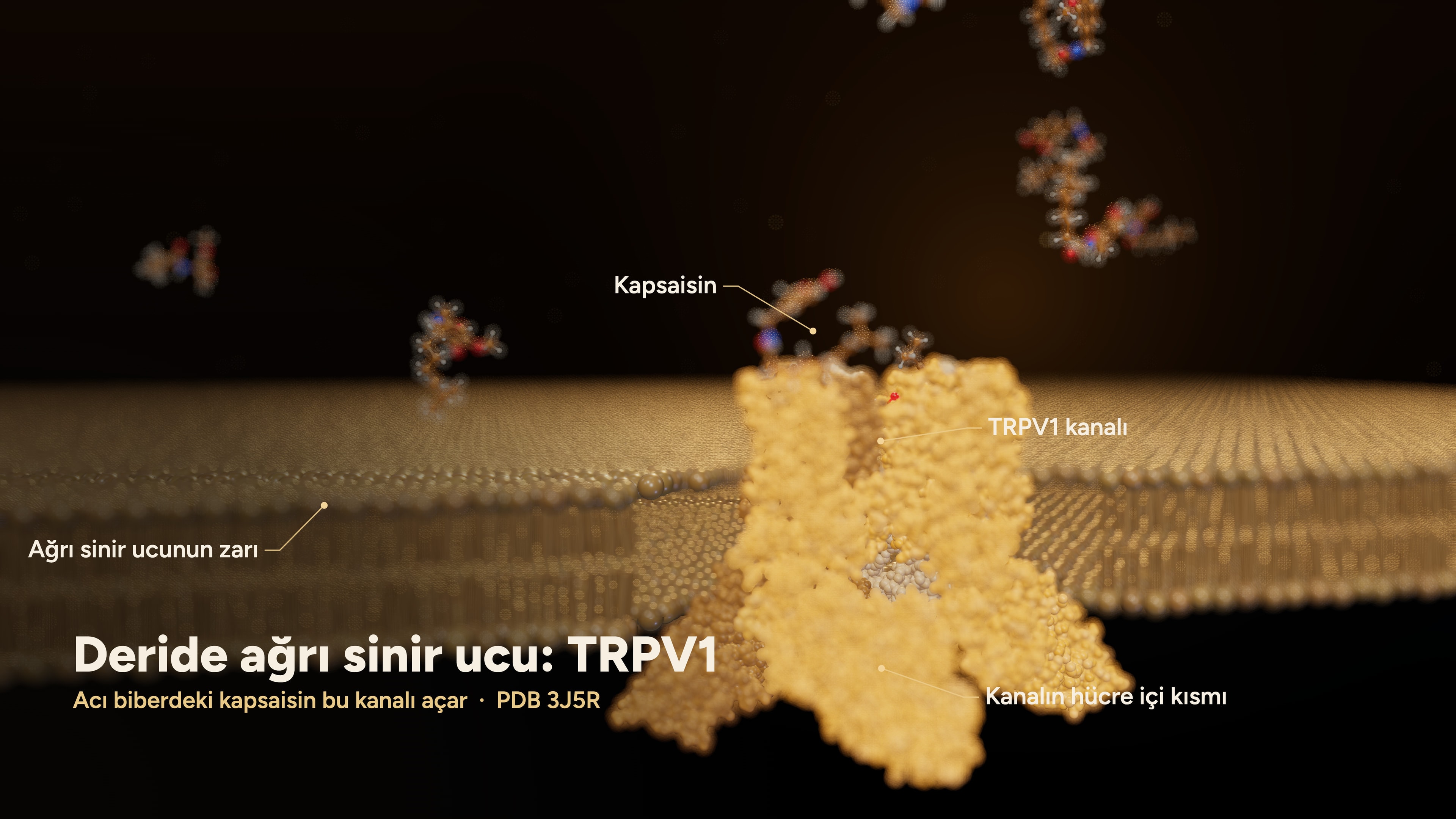
Rubbing a cream onto an aching knee or a stiff neck for relief can feel more appealing than taking a pill. That is one reason CBD creams get so much attention: the idea of acting "right where it hurts." In this article, we have gathered in plain language what CBD creams are, what studies show, what to look for when choosing a product, and the possible side effects. You can find a detailed table of the studies on the topical CBD page of the CBD Guide.
What’s in this article?10 sections
What is CBD cream?
CBD creams are products applied to the skin, made by mixing CBD (cannabidiol) from cannabis into an oil, cream or gel. Unlike THC, CBD does not make you high or cloud your thinking. Many creams also contain other ingredients alongside CBD, such as menthol, camphor or arnica; these ingredients can themselves create a cooling, warming or soothing feeling.
The amount of CBD that reaches the blood from the skin is usually low, but it is not zero. In a study of 46 healthy adults, CBD passed from the skin into the blood with three of five different CBD products on the market; the highest levels were measured after 7–10 days of use (Zamarripa 2024).
Why are people curious?
In most controlled studies of pure CBD taken by mouth, there was no clear difference from placebo in long-lasting pain (see chronic pain and CBD). Applying it to the skin is a different route: the substance goes directly onto the painful area. Animal studies supported this idea; in rats with induced arthritis, CBD gel rubbed onto the skin reduced joint swelling and pain behaviors (Hammell 2016). These findings led to human studies, but an effect seen in animals does not mean the same result will occur in people.
What does the research say?
Human studies of CBD applied to the skin are few and small. The results vary by type of pain:
Type of pain | Study | What was found? |
|---|---|---|
Arthritis at the base of the thumb | 18 people, crossover controlled (Heineman 2022) | Improvement in pain and hand function was reported. |
Jaw muscle pain | 60 people, controlled (Nitecka-Buchta 2019) | A clear reduction in pain over 14 days was reported. |
Nerve damage pain in the legs | 29 people, controlled (Xu 2020) | A reduction in sharp pain, cold sensations and itching was reported. |
Hand osteoarthritis | 18 people, no comparison group (Bawa 2024) | Pain decreased, then returned to its previous level when use stopped. |
After knee replacement surgery | 80 people, controlled (Haffar 2022) | No difference in pain, sleep or pain medicine use. |
Muscle soreness after exercise | 28 and 15 people, controlled (Pastina 2025; Mendes 2026) | No difference from placebo in muscle soreness. |
The studies reporting positive results were small, and most were done at a single center. The effect of the carrier oil in the cream itself, whether participants could tell which product they were using, and how much CBD reached the tissue were often not measured well enough. That is why the CBD Guide rates the evidence for topical CBD as "very weak" and the results as "conflicting" (see evidence levels).
In a survey of 58 patients at a palliative care outpatient clinic, most of the 14 patients who used CBD applied it to the skin and said their pain had decreased (Highet 2020). Surveys like this reflect users' experience, but because there is no comparison group, they do not show that the product works.
What should you look for in products?
The contents of CBD products vary a lot from product to product. Among 84 CBD products bought online, the CBD amount on the label was accurate in only about one third; THC that was not listed on the label was found in about one in five (Bonn-Miller 2017). So it helps to check:
- The label states the total amount of CBD in milligrams,
- A certificate of analysis from an independent laboratory for the same batch: the amounts of CBD and THC, plus tests for heavy metals, pesticides and solvent residues,
- Which ingredients other than CBD the cream contains.
A certificate of analysis shows what is in the product; it does not show that it will help your pain. For details, see our page on reading labels. "Full-spectrum" products may contain small amounts of THC; the differences between product types are explained in our spectrum guide.
Possible side effects and drug interactions
- Skin irritation: Most studies reported no side effects, or did not include them in the summary. Still, the CBD in the cream, or other ingredients such as menthol and essential oils, can cause skin redness or itching in some people. Creams are made to be applied to intact skin; they should not be applied to open wounds.
- Passing into the blood and tests: In the study of products applied to the skin, no urine tests were positive for cannabis; however, THC was measured in the oral fluid of 9 participants (Zamarripa 2024). If you are going to take a drug test, you can see our drug test page.
- Drug interactions: No study has looked at drug interactions with CBD applied to the skin; although the amount reaching the blood is usually low, it is not zero. If you take medicines regularly, you can look at our drug interactions page and ask your pharmacist.
- Side effects of CBD taken by mouth (tiredness, diarrhea, appetite changes) are a separate topic; creams should not be swallowed (Iffland 2017).
How was it used in studies?
- In the thumb study, 1 mL of an oil containing 6.2 mg of CBD per milliliter, twice a day, for 2 weeks,
- In the jaw muscle study, twice a day, for 14 days,
- In the hand osteoarthritis study, a 4% CBD gel, three times a day, for 4 weeks,
- In the muscle soreness study, about 100 mg of CBD per application.
These are study doses, not personal recommendations. No effective amount has been established for CBD applied to the skin.
If you are thinking about using CBD cream
It is very understandable to want to try a cream that seems harmless to ease your pain. You can talk with your doctor or pharmacist about:
- The cause of your pain; if it lasts a long time or comes with swelling, redness or fever, have a doctor check it.
- Other creams and medicines you use.
- Your skin sensitivity and allergies.
- Pregnancy or breastfeeding.
In Turkey, cannabis-derived products, including CBD, may be sold only in pharmacies (Law No. 7557; regulation of January 31, 2026). Those classed as medicines or health products are dispensed with a prescription; the regulation does not state a prescription requirement for supplement products with a THC content of at most 0.3%. Creams and ointments may fall under the "personal care product" class; these, too, may contain at most 0.3% THC. As of October 2026, there is no approved (licensed) CBD medicine in Turkey. For details, see our regulations page.
Conclusion
Studies of CBD creams are small and their results are mixed: there are positive reports for some types of pain, while other controlled studies found no difference from placebo. If you are thinking about trying a cream, the soundest approach is to read its label and certificate of analysis, and if your pain persists, to look into its cause with a doctor.
Frequently asked questions
Does CBD cream help joint pain?
The evidence is limited and mixed. In a small study of 18 people with arthritis at the base of the thumb, pain decreased; however, in a study of 80 people after knee replacement surgery, there was no difference from placebo in pain or pain medicine use.
Does CBD cream reduce muscle soreness after exercise?
Two small controlled studies of muscle soreness after exercise found no clear difference between CBD cream and placebo. Ingredients in the cream such as menthol, and expectations, can also affect the feeling of relief.
Does CBD cream get into the blood?
Usually in small amounts, but not zero. In a study of healthy adults, CBD passed from the skin into the blood with three of five products; the highest levels were measured after 7–10 days of use.
Can CBD cream cause a positive drug test?
In a study of products applied to the skin, no urine tests were positive for cannabis; however, THC was measured in the oral fluid of 9 participants. Because a product's contents do not always match its label, the risk is not entirely zero.
Where can you buy CBD creams in Turkey?
In Turkey, cannabis-derived products, including CBD, may be sold only in pharmacies (Law No. 7557; regulation of January 31, 2026). Those classed as medicines or health products are dispensed with a prescription; the regulation does not state a prescription requirement for supplement products with a THC content of at most 0.3%. Creams may fall under the personal care product class; these, too, may contain at most 0.3% THC. As of October 2026, there is no approved (licensed) CBD medicine in Turkey.
References
Show 13 references
- Heineman JT, et al. A Randomized Controlled Trial of Topical Cannabidiol for the Treatment of Thumb Basal Joint Arthritis. J Hand Surg Am. 2022;47(7):611-620. PMID 35637038
- Nitecka-Buchta A, et al. Myorelaxant Effect of Transdermal Cannabidiol Application in Patients with TMD: A Randomized, Double-Blind Trial. J Clin Med. 2019;8(11):1886. PMID 31698733
- Xu DH, et al. The Effectiveness of Topical Cannabidiol Oil in Symptomatic Relief of Peripheral Neuropathy of the Lower Extremities. Curr Pharm Biotechnol. 2020;21(5):390-402. PMID 31793418
- Bawa Z, et al. An open-label feasibility trial of transdermal cannabidiol for hand osteoarthritis. Sci Rep. 2024;14(1):11792. PMID 38783008
- Haffar A, et al. Topical Cannabidiol (CBD) After Total Knee Arthroplasty Does Not Decrease Pain or Opioid Use: A Prospective Randomized Double-Blinded Placebo-Controlled Trial. J Arthroplasty. 2022;37(9):1763-1770. PMID 35390457
- Pastina JT, et al. Topical Cannabidiol Application May Not Attenuate Muscle Soreness or Improve Performance: A Randomized, Double-Blinded, Placebo-Controlled Pilot Study. Cannabis Cannabinoid Res. 2025;10(3):445-456. PMID 38980809
- Mendes A, et al. Topical application of cannabidiol for muscle recovery after exercise-induced muscle damage: a randomized, double-blinded pilot study. J Cannabis Res. 2026;8(1). PMID 41877261
- Hammell DC, et al. Transdermal cannabidiol reduces inflammation and pain-related behaviours in a rat model of arthritis. Eur J Pain. 2016;20(6):936-948. PMID 26517407
- Zamarripa CA, et al. Pharmacokinetics and pharmacodynamics of five distinct commercially available hemp-derived topical cannabidiol products. J Anal Toxicol. 2024;48(2):81-98. PMID 38217086
- Highet BH, et al. Tetrahydrocannabinol and Cannabidiol Use in an Outpatient Palliative Medicine Population. Am J Hosp Palliat Care. 2020;37(8):589-593. PMID 31986898
- Bonn-Miller MO, et al. Labeling Accuracy of Cannabidiol Extracts Sold Online. JAMA. 2017;318(17):1708-1709. PMID 29114823
- Iffland K, Grotenhermen F. An Update on Safety and Side Effects of Cannabidiol: A Review of Clinical Data and Relevant Animal Studies. Cannabis Cannabinoid Res. 2017;2(1):139-154. PMID 28861514
- Turkish Ministry of Health. Kenevirden Elde Edilen Ürünlere Dair Yönetmelik (Regulation on Products Derived from Hemp). Official Gazette, January 31, 2026, issue 33154. Official Gazette 33154
 What Is Hemp Seed Oil? Nutrition Facts and Side Effects
 Topical CBD and Skin Conditions: Research on Hives and Eczema
 How Is CBD Oil Made? Production by CO2 Extraction
 What Is CBD Oil? How It’s Made, What It Does and Its Status in Turkey (2026)