
Menopause and CBD: What Does the Research Say?
Many women are curious about CBD during this stage of life, with its hot flashes and broken sleep. We looked at where the research stands today and at women's own experiences.
By: cbd.school editorial teamUpdated: 9 sources
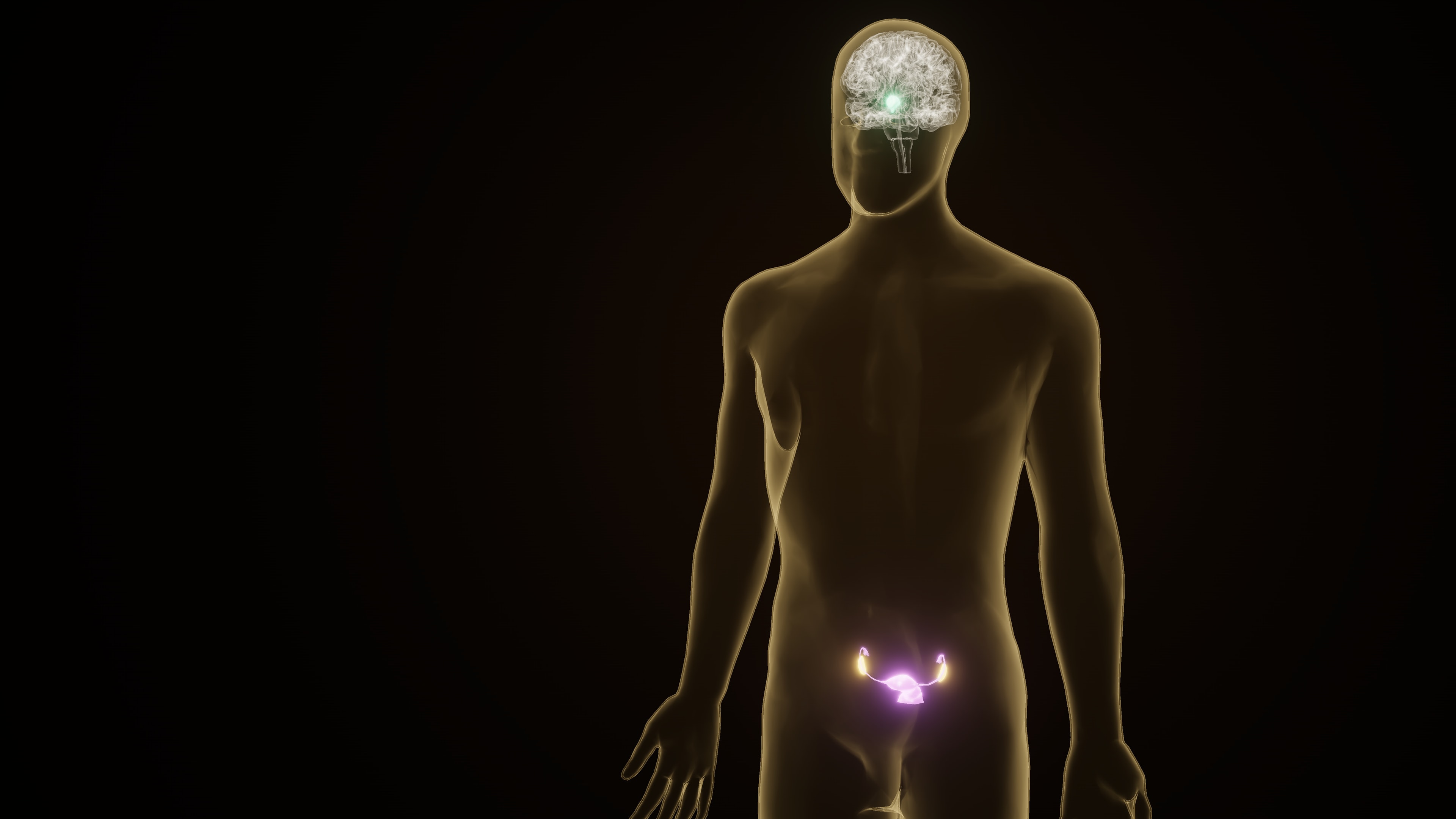
Hot flashes, broken sleep, restlessness that comes out of nowhere... For many women, menopause is a stage that lasts for years and clearly affects daily life. While trying to cope with these symptoms, it is very understandable to wonder, "Could CBD work as a natural option?" In this article, we cover menopause symptoms, why CBD comes up in this context, what research says today, possible side effects and topics you can discuss with your doctor.
What’s in this article?9 sections
What is menopause, and what symptoms come with it?
Menopause is the permanent end of menstrual periods as the ovaries make fewer hormones. In the years before and after this transition, hormone levels fluctuate, and many women have the following symptoms:
- Hot flashes and night sweats,
- Sleep problems,
- Mood changes, irritability and anxiety,
- Vaginal dryness and low sex drive,
- Joint and muscle pain.
There are treatments with proven effects for these symptoms. According to the 2023 position statement of the North American Menopause Society, hormone therapy remains the most effective treatment for hot flashes and should be considered in suitable women within the first 10 years after their last period. For women who cannot or do not want to take hormone therapy, non-hormonal options with proven effects are also listed: cognitive behavioral therapy, clinical hypnosis, certain antidepressants (SSRIs/SNRIs), gabapentin, fezolinetant and oxybutynin, for example (NAMS 2023). You and your doctor decide together which one is right for you.
Why is CBD being talked about for menopause?
CBD (cannabidiol) is a compound found in the cannabis plant that does not make you high or cloud your thinking; the main compound in cannabis that makes you high is THC. Because the body's endocannabinoid system has been linked to the regulation of sleep, mood, pain and body temperature, some researchers think cannabis compounds may also be relevant to menopause symptoms. But this is an idea, not a result tested in people.
Marketing also plays a big part in CBD being associated with menopause. A review of two large US cannabis sales websites found 408 products with benefit claims related to women's health; 70 of these claims were about menopause. Only 6.6% of these product pages carried a health warning (Nali 2026).
What does the research say?
No controlled studies yet
Controlled studies are the best way to show whether a treatment really works: participants are randomly assigned to groups, and one group gets the treatment while the other gets an inactive medicine (placebo) that looks the same. In our PubMed search on October 20, 2026, we could not find any study that looked at CBD in this way for menopause symptoms such as hot flashes. What we did find were an animal experiment, a case series of two women with postmenopausal osteoporosis, and publications on other topics.
Surveys: what do women say?
- US (Dahlgren 2022): In a survey of 131 women in the transition before menopause and 127 women after menopause, 78.7% of participants said they used cannabis products for menopause symptoms. The most common reasons were sleep problems (67.4%) and mood or anxiety (46.1%). The most common ways of using it were smoking (84.3%) and edibles (78.3%).
- Canada (Babyn 2023): In a survey of 1,485 women over age 35, 34% of the women were using cannabis at the time, and more than three-quarters of them were using it for medical purposes. The most common reasons were sleep (65%), anxiety (45%) and muscle and joint pain (33%). 74% of users said cannabis helped their symptoms.
These surveys are valuable because they show what women try in real life and what they need. However, participants joined the surveys voluntarily (through social media in the Canadian survey); most of the products used were cannabis containing THC, not CBD alone; and because there was no comparison group, it cannot be known how much of the improvement was due to the product. Both research teams stress that effectiveness and safety need more research.
The expert society's view
In its 2023 statement, the North American Menopause Society reviewed the evidence and listed cannabinoids among the approaches not recommended for hot flashes because of limited or inconsistent evidence (NAMS 2023). This does not mean cannabinoids definitely do not work; it only shows that there is not enough research today to recommend them.
We also explain how CBD has been studied for sleep and anxiety on our insomnia page and in our article on anxiety and CBD.
Possible side effects and drug interactions
CBD was well tolerated in most studies, but it does have side effects. In the studies of the approved CBD medicine, the most common were sleepiness, reduced appetite, diarrhea and tiredness. In a controlled study in healthy adults, liver enzymes rose above 3 times the normal limit in 5.6% of those taking 5 mg of CBD per kilogram of body weight per day (Florian 2025).
Interactions are especially important for some medicines used during menopause:
- Antidepressants: Blood levels of citalopram and escitalopram, which may be used for hot flashes or mood, rose significantly in patients who added CBD (Anderson 2021). In an FDA study in healthy volunteers, citalopram exposure also rose by about 43% after 12 days of CBD use (Salcedo 2026).
- Gabapentin and sleeping pills: Sleepiness and grogginess may increase when taken with CBD.
- Hormone therapy and birth control pills: We could not find published human data on CBD interactions with these medicines; even so, it is important to tell your doctor about every medicine you take.
- Products containing THC: They can cause sleepiness and dizziness, affect driving and lead to a positive drug test (see driving).
Details are on our drug interactions page.
How was it used in studies?
Since there is no controlled study of CBD for menopause symptoms, there is no study dose for this either. The women in the surveys mostly talked about cannabis products containing THC, smoked or added to food. There is no effective or safe amount of CBD established for menopause; we do not recommend personal doses on this site.
If you are thinking about using CBD
It is only natural to look for options to get through this stage more comfortably. You can talk with your doctor about:
- The symptoms that bother you most, and the hormonal and non-hormonal options with proven effects for them.
- All the medicines and supplements you take, especially antidepressants, gabapentin, sleeping pills and blood thinners.
- Whether you have liver disease or raised liver tests.
- How you can access non-drug options such as therapy for your sleep and mood problems.
In Turkey, cannabis-derived products, including CBD, may be sold only in pharmacies (Law No. 7557, regulation of January 31, 2026). Those classed as medicines or health products are dispensed with a prescription; no prescription requirement is stated for supplement products with a THC content of no more than 0.3%. As of October 2026, there is no approved (licensed) CBD medicine in Turkey. Details are on our regulations page.
Conclusion
Many women try cannabis products for menopause symptoms and feel they help, especially with sleep and mood; but there is not yet a controlled study showing that CBD eases menopause symptoms. There are many options with proven effects for this stage of life; talking with your doctor about the symptom that bothers you most is the quickest way to the right treatment.
Frequently asked questions
Is CBD good for menopause symptoms?
There is not yet a controlled study showing this. In surveys, women who use cannabis say they feel it helps, especially with sleep and mood; but these surveys had no comparison group, and most of the products used were cannabis containing THC.
Does CBD reduce hot flashes?
It is not known. We could not find a study of CBD for hot flashes. In 2023, the North American Menopause Society listed cannabinoids among the approaches not recommended for hot flashes because of limited evidence.
Can I use CBD while on hormone therapy?
We could not find published human data on CBD interactions with hormone therapy or birth control pills. Even so, because CBD can change the blood levels of some medicines, talk with your doctor about all the medicines you take.
I take an antidepressant for hot flashes. Does it interact with CBD?
It can. Blood levels of citalopram and escitalopram rose significantly in patients who added CBD; in healthy volunteers, citalopram exposure also rose by about 43%. If you are considering CBD, talk to your doctor first.
Where can you buy CBD products in Turkey?
In Turkey, cannabis-derived products, including CBD, may be sold only in pharmacies (Law No. 7557, regulation of January 31, 2026). Those classed as medicines or health products are dispensed with a prescription; no prescription requirement is stated for supplement products with a THC content of no more than 0.3%. As of October 2026, there is no approved (licensed) CBD medicine in Turkey.
References
Show 9 references
- The North American Menopause Society. The 2023 nonhormone therapy position statement of The North American Menopause Society. Menopause. 2023. PMID 37252752
- Dahlgren MK, et al. A survey of medical cannabis use during perimenopause and postmenopause. Menopause. 2022. PMID 35917529
- Babyn K, et al. Cannabis use for menopause in women aged 35 and over: a cross-sectional survey on usage patterns and perceptions in Alberta, Canada. BMJ Open. 2023. PMID 37344107
- Nali MC, et al. Characterization of Women's Health Benefit Claims Made on Cannabis E-Commerce Platforms: A Retrospective Market Surveillance Study. Am J Prev Med. 2026. PMID 41205879
- Florian J, et al. Cannabidiol and Liver Enzyme Level Elevations in Healthy Adults: A Randomized Clinical Trial. JAMA Intern Med. 2025. PMID 40622698
- Anderson LL, et al. Citalopram and Cannabidiol: In Vitro and In Vivo Evidence of Pharmacokinetic Interactions Relevant to the Treatment of Anxiety Disorders in Young People. J Clin Psychopharmacol. 2021. PMID 34121064
- Salcedo P, et al. Clinical Study to Evaluate Drug Interactions of Cannabidiol with Citalopram and Morphine in Healthy Adults. Clin Pharmacol Ther. 2026. PMID 41622700
- US FDA / DailyMed. EPIDIOLEX (cannabidiol) oral solution prescribing information, sections 6.1 and 7 (accessed October 20, 2026).
- Ministry of Health (Turkey). Kenevirden Elde Edilen Ürünlere Dair Yönetmelik (Regulation on Products Derived from Hemp). Official Gazette, January 31, 2026, issue 33154. Official Gazette 33154
 NewCBD Before Surgery: What Should You Tell Your Anesthesia Team?
 CBD and Weight: What Does the Research Say?
 Nausea and CBD: What Does the Research Say?
 Venous Insufficiency and CBD: The Research