
Nausea and CBD: What Does the Research Say?
Nausea is one of the most draining complaints. We explain in plain language how cannabis compounds have been studied for nausea and the different places CBD and THC hold in this story.
By: cbd.school editorial teamUpdated: 11 sources
Quick check
This article is prepared according to our editorial policy.
- We do not sell products, recommend brands or give personal doses.
- We base health information on peer-reviewed studies or official bodies. If the evidence is weak, we say so clearly: How do we rate the strength of evidence?
- If you spot an error, write to us through the contact form . We check it against the source, correct it if it is right and update the page's date.
More detail: Editorial Policy. Our content is for information only; it does not replace diagnosis or treatment.
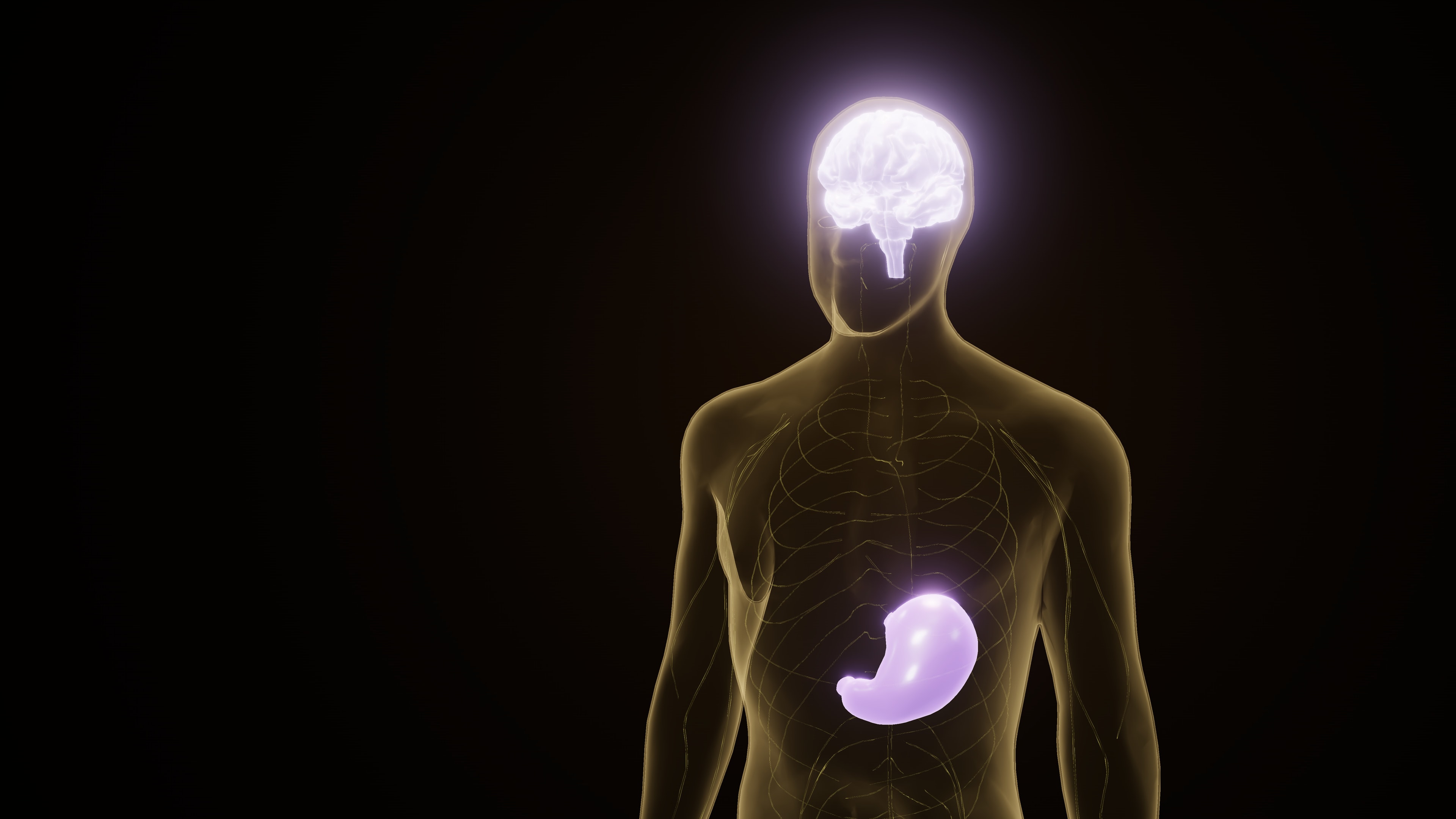
Nausea is one of the most draining complaints: it can make eating, sleeping and even talking hard. Especially during a demanding treatment such as chemotherapy, it is very understandable to wonder about CBD and ask, "Is there something natural that could ease the nausea?" In this article, we have gathered how cannabis compounds have been studied for nausea and vomiting, the different roles of CBD and THC, possible side effects and what you can discuss with your doctor. For a detailed table of the studies, see the chemotherapy nausea page of the CBD Guide.
What’s in this article?9 sections
What causes nausea?
Nausea is an unpleasant feeling in the stomach that comes with an urge to vomit. It is not a disease but a shared symptom of many different causes: motion sickness, stomach viruses, food poisoning, some medicines, migraine, pregnancy and too much alcohol are just a few of them. Chemotherapy drugs used to treat cancer are also among the best-known causes.
Because nausea has different causes, its treatment differs too. That is why there is no single answer to the question "What helps with nausea?"; when nausea does not go away or keeps coming back, its cause needs to be found first.
Why are people curious about CBD?
CBD (cannabidiol) is a substance found in the cannabis plant that does not make you high or cloud your thinking. The main substance in cannabis that makes you high is THC. The body's endocannabinoid system also plays a role in regulating nausea and vomiting, which is why cannabis compounds have long been studied for nausea.
According to a review summarizing animal studies, CBD suppressed nausea and vomiting within a certain dose range; researchers think this effect may work through serotonin signals in the brain (Parker 2011). The same review describes how substances such as THC also reduced nausea in animals. These findings led researchers to human studies, but an effect seen in animals does not mean the same result will occur in humans.
What does the research say?
Controlled studies are the best way to show whether a medicine really works: patients are randomly assigned to groups, and one group takes the medicine while the other takes an inactive pill that looks the same (placebo). In nausea, almost all studies of this kind have been done with products that contain THC.
Pure CBD: no controlled human studies yet
We did not find any controlled human study of pure CBD oil for chemotherapy nausea or any other type of nausea. This does not mean CBD definitely does not work; it only shows that the research that could answer this question has not been done yet.
Prescription medicines containing THC: an add-on option for hard-to-treat chemotherapy nausea
- Older THC medicines (Smith 2015, Cochrane review): 23 studies done between 1975 and 1991 were reviewed. Complete relief of nausea and vomiting was more common in patients taking THC-containing medicines such as dronabinol and nabilone than with placebo. However, they did not outperform some anti-nausea medicines of that era, and they were not compared with the modern anti-nausea medicines used today. More people stopped the medicine because of side effects; dizziness, feeling low and feeling high were also more common.
- Capsule with equal amounts of THC and CBD (Grimison 2024): In 147 patients whose nausea continued despite guideline-based anti-nausea medicines, this capsule was added to standard treatment. The share of patients with a complete response to treatment was 8% in the placebo group and 24% in the capsule group. Drowsiness (18% vs. 7%) and dizziness (10% vs. 0%) were more common in the capsule group.
- Palliative care (Mücke 2018): In a review covering patients in care for serious illnesses, cannabinoids showed no clear difference from placebo in nausea and vomiting, appetite or calorie intake in cancer patients; the quality of the studies was low.
The 2024 guideline of the American Society of Clinical Oncology (ASCO) sums up the picture this way: cannabis or cannabinoids may help when added to treatment for chemotherapy nausea that continues despite guideline-based anti-nausea treatment (refractory nausea) (Braun 2024). In other words, these medicines are not a first choice but an add-on option considered alongside standard treatment. These results apply to prescription products that contain THC and have known contents; they cannot be applied to a CBD oil sold in a pharmacy or online.
Nausea in pregnancy
No controlled study testing CBD for nausea in pregnancy was found. The US Food and Drug Administration (FDA) strongly advises against cannabis products, including CBD, during pregnancy and breastfeeding. Details on the pregnancy and breastfeeding page.
The opposite effect: cannabinoid hyperemesis syndrome
Some people who use cannabis (marijuana) heavily for a long time can have repeated attacks of severe nausea and vomiting. This is called "cannabinoid hyperemesis syndrome." According to a review, the endocannabinoid system can reduce nausea when it is stimulated at low levels but can trigger nausea when it is stimulated at high levels (Loganathan 2024). This syndrome is mainly linked to cannabis that contains THC, but it is a reminder that cannabis products are not always something that "helps" with nausea.
Possible side effects and drug interactions
CBD was well tolerated in most studies, but it does have side effects. In studies of the approved CBD medicine, the most common were drowsiness, decreased appetite, diarrhea and tiredness. In the study of patients with tuberous sclerosis, vomiting (17% vs. 9%) and nausea (9% vs. 3%) were more common in those taking CBD; in other words, high-dose CBD can itself upset the stomach. Raised liver enzymes are also among the side effects seen.
- With food: When taken with a fatty, high-calorie meal, the peak CBD level in the blood was about 5 times higher and the total amount about 4 times higher than on an empty stomach (Crockett 2020). This can also affect side effects.
- Chemotherapy and other medicines: CBD can slow the breakdown of some medicines in the body and change their blood levels. Some cancer drugs, immunosuppressants and blood thinners are among them. Details on the drug interactions page.
- Products containing THC: They can cause drowsiness and dizziness, affect driving and lead to a positive drug test (see driving and drug test).
- Product contents: About one in five of 84 CBD products bought online contained THC, even though it was not on the label (Bonn-Miller 2017). We explained how to read a label on the label reading page .
How was it used in studies?
Because there is no human study of pure CBD for nausea, there is no study dose for it either. In the Grimison 2024 study, each capsule contained 2.5 mg of THC and 2.5 mg of CBD; patients started with 1 capsule 3 times a day and adjusted the dose themselves, based on nausea and side effects, up to a maximum of 4 capsules 3 times a day. The capsules were started the day before chemotherapy and continued until day 5 of chemotherapy. These are study doses, not a personal recommendation.
If you are thinking about using CBD
When you are dealing with nausea that will not go away, it is only natural to want to try something new. First, you can talk with your doctor about:
- The cause of your nausea and proven anti-nausea medicines that suit you.
- If you are receiving chemotherapy: whether your nausea continues despite your anti-nausea medicines, and in that case, other options your oncologist can consider.
- All the medicines and supplements you take, especially cancer drugs, blood thinners and epilepsy medicines.
- Whether you have liver disease or raised liver test results.
- Pregnancy or breastfeeding.
If you are receiving chemotherapy, tell your oncologist about every product you use, including CBD. In Turkey, products made from cannabis, including CBD, can be sold only in pharmacies (Law No. 7557, regulation of January 31, 2026). Those classified as medicines or health products are dispensed with a prescription; no prescription requirement is stated for supplement products with a THC content of at most 0.3%. As of October 2026, there is no approved CBD medicine in Turkey. Details on our page on the rules.
Conclusion
The link between cannabis compounds and nausea is a real research topic, but today's evidence applies not to pure CBD oil but to prescription medicines that contain THC, and only to chemotherapy nausea that continues despite standard treatment. Studies that could show the effect of pure CBD on nausea in humans have not been done yet. If your nausea does not go away, the most solid path is to find its cause and the right treatment together with your doctor.
Frequently asked questions
Is CBD oil good for nausea?
There is no human study showing this yet. In animal experiments, CBD reduced nausea within a certain dose range, but there is no controlled human study of pure CBD oil for nausea. Today's evidence on nausea is for prescription medicines that contain THC.
Are cannabis medicines used for chemotherapy nausea?
In some countries, prescription medicines containing THC can be added to treatment for patients whose nausea continues despite standard anti-nausea medicines. The ASCO 2024 guideline says they may help in this hard-to-treat situation. These medicines are not a first choice, and the decision is made by the oncologist.
Is full-spectrum CBD oil better for nausea because it contains THC?
There is no basis for saying so. The products used in studies were prescription medicines with a known amount of THC. The amount of THC in a full-spectrum oil is both small and often unclear; on top of that, products containing THC can lead to a positive drug test.
Can I use CBD for nausea while pregnant?
It is not recommended. No controlled study testing CBD for nausea in pregnancy was found, and the FDA strongly advises against cannabis products during pregnancy and breastfeeding. Talk with your doctor about options for nausea whose safety is known.
Can CBD itself cause nausea?
It can. In the tuberous sclerosis study of the approved CBD medicine, nausea and vomiting were more common in those taking CBD than with placebo. With heavy marijuana use, a syndrome with repeated attacks of severe vomiting has also been described.
References
Show 11 references
- Parker LA, et al. Regulation of nausea and vomiting by cannabinoids. Br J Pharmacol. 2011. PMID 21175589
- Smith LA, et al. Cannabinoids for nausea and vomiting in adults with cancer receiving chemotherapy. Cochrane Database Syst Rev. 2015. PMID 26561338
- Grimison P, et al. Oral Cannabis Extract for Secondary Prevention of Chemotherapy-Induced Nausea and Vomiting: Final Results of a Randomized, Placebo-Controlled, Phase II/III Trial. J Clin Oncol. 2024. PMID 39151115
- Braun IM, et al. Cannabis and Cannabinoids in Adults With Cancer: ASCO Guideline. J Clin Oncol. 2024. PMID 38478773
- Mücke M, et al. Systematic review and meta-analysis of cannabinoids in palliative medicine. J Cachexia Sarcopenia Muscle. 2018. PMID 29400010
- Loganathan P, et al. A Comprehensive Review and Update on Cannabis Hyperemesis Syndrome. Pharmaceuticals (Basel). 2024. PMID 39598458
- Crockett J, et al. A phase 1, randomized, pharmacokinetic trial of the effect of different meal compositions, whole milk, and alcohol on cannabidiol exposure and safety in healthy subjects. Epilepsia. 2020. PMID 32012251
- Bonn-Miller MO, et al. Labeling Accuracy of Cannabidiol Extracts Sold Online. JAMA. 2017. PMID 29114823
- US FDA / DailyMed. EPIDIOLEX (cannabidiol) oral solution prescribing information, section 6.1 (accessed October 20, 2026).
- US FDA. What You Should Know About Using Cannabis, Including CBD, When Pregnant or Breastfeeding. 2019.
- Ministry of Health. Regulation on Products Derived from Hemp. Official Gazette, January 31, 2026, issue 33154. Official Gazette 33154
 Venous Insufficiency and CBD: The Research
 Does CBD Harm the Liver? Research and Drug Interactions
 Wound Healing and CBD: What the Research Shows
 Menopause and CBD: What Does the Research Say?