
Fibromyalgia and CBD: Current Research and Clinical Trials
People living with fibromyalgia have many questions about CBD, and important studies that shed light on them have been published in recent years. In this article we explain in plain language how pure CBD and THC-containing products have been studied in fibromyalgia and what was found.
By: cbd.school editorial teamUpdated: 13 sources
Quick check
This article follows our editorial policy.
- We don't sell products, recommend brands or give personal doses.
- We base health information on peer-reviewed studies or official bodies. When the evidence is weak, we say so plainly: How do we rate the strength of evidence?
- If you spot an error, write to us through the contact form. We check it against the source, correct it if it is wrong, and update the page date.
Details: Editorial Policy. Our content is for information only; it does not replace diagnosis or treatment.
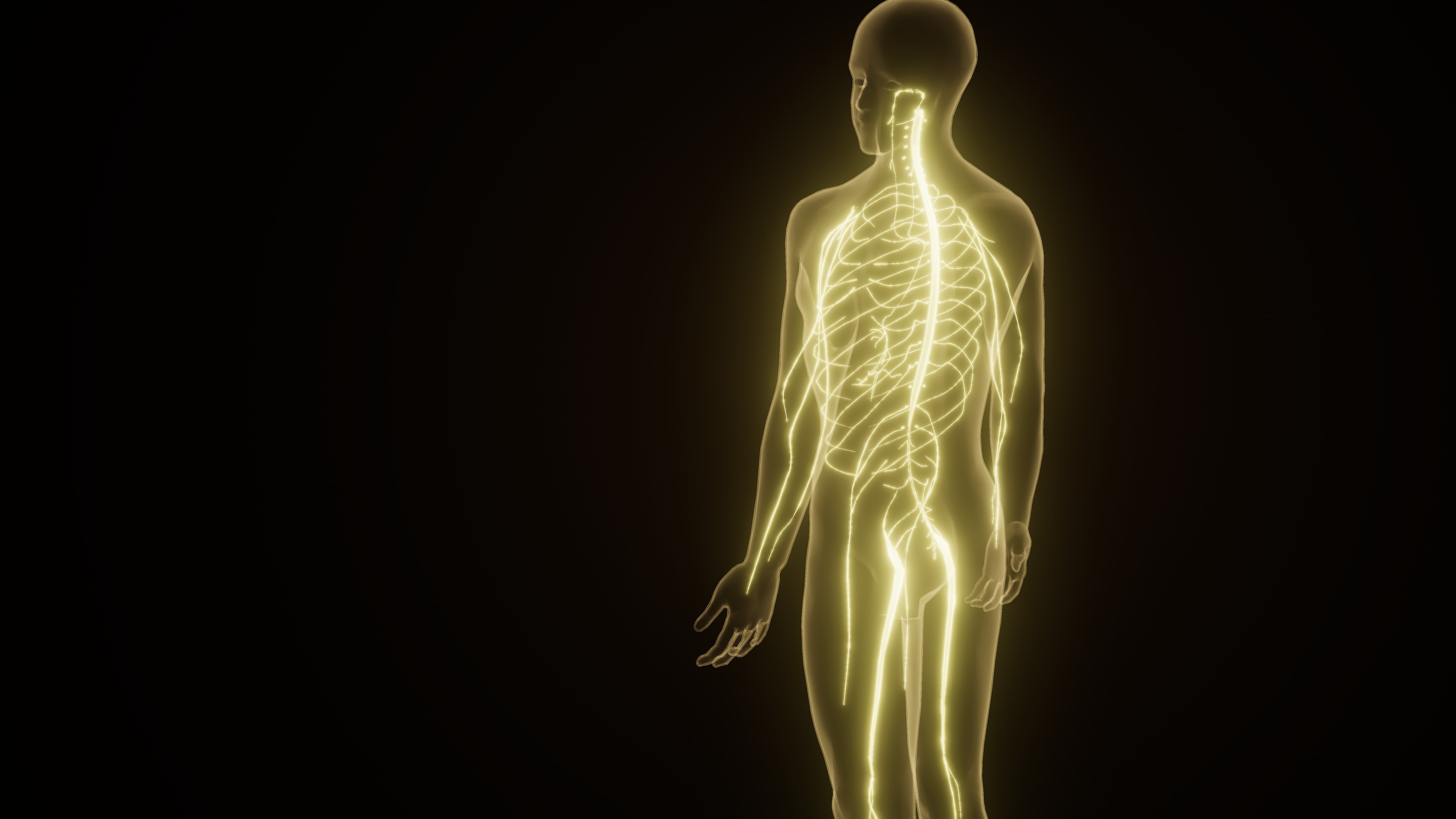
Anyone living with fibromyalgia knows the days when pain spreads all over the body, tiredness doesn't go away with sleep, and it is often hard to explain any of this to the people around you. Treatments ease some symptoms, but many people look for extra help, and CBD is one of the options they ask about most. In this article we explain in plain language what fibromyalgia is, why cannabis compounds are being studied, what the studies found, and what you can talk about with your doctor. A detailed table of the studies is on the fibromyalgia page of the CBD Guide.
What’s in this article?9 sections
What is fibromyalgia?
Fibromyalgia is a long-term condition that causes pain in many parts of the body. According to the UK's National Health Service (NHS), widespread pain is often accompanied by:
- Increased sensitivity to pain and muscle stiffness,
- Trouble falling or staying asleep, and the tiredness that comes with it,
- Difficulty concentrating and remembering ("fibro fog"),
- Headaches and irritable bowel syndrome,
- Restlessness, worry or low mood.
Symptoms can come and go; sometimes they suddenly improve, sometimes they get worse. The exact cause is unknown; it is thought to be related to changes in how the brain and nervous system process pain signals. So the pain is not "imaginary"; it is real and linked to the nervous system. The condition is more common in women and usually starts between the ages of 25 and 55 (NHS).
There is no treatment yet that makes fibromyalgia go away completely, but there are approaches that help ease symptoms and make life easier. The three main approaches the NHS recommends are regular exercise, talking therapies such as cognitive behavioral therapy, and certain medicines a doctor considers suitable (for example, antidepressants such as amitriptyline or duloxetine). Because no single treatment works for everyone, several approaches often need to be tried together.
Why are cannabis and CBD being studied?
CBD (cannabidiol) is a compound found in the cannabis plant that, unlike THC, does not cause a high or mental fog. It is often studied in pain research because it is linked to the endocannabinoid system, which helps regulate pain, sleep and mood in our bodies.
Some researchers suggest that this system may not work well enough in conditions such as fibromyalgia, migraine and irritable bowel syndrome; this is called the "clinical endocannabinoid deficiency" hypothesis (Russo 2016). Because lab studies show that CBD can slow the uptake into cells and the breakdown of one of the body's own cannabinoids (anandamide) (Bisogno 2001), this hypothesis increased interest in CBD. But it is still an idea not confirmed in patients; as we will see below, the largest study in patients did not bear out this expectation.
What does the research say?
Whether a treatment works is best shown by controlled studies in which participants are randomly assigned to groups and one group takes a product that looks the same but has no active ingredient (placebo). In fibromyalgia, there are studies of this kind with both pure CBD and THC-containing products, and the results differ by product type.
Pure CBD: no clear difference in the largest study
In a study in Denmark with 200 fibromyalgia patients, half of the participants took a 50 mg plant-derived pure CBD tablet every day for 24 weeks, and the other half took identical-looking placebo tablets (Rasmussen 2026). At the end of the study, pain had fallen by an average of 0.4 points in the CBD group and 1.1 points in the placebo group (on a 0–10 scale); in other words, the improvement was slightly larger in the placebo group. Side effects were generally mild and similarly common in both groups. The researchers concluded that the results do not support using 50 mg of CBD a day as an add-on for fibromyalgia pain.
It is important to read this result correctly: the study tested only one dose (50 mg a day). It says nothing about what higher doses would do, because those doses have not yet been tested this way in fibromyalgia. The clear improvement in the placebo group is also a reminder of how powerful expectations and regular follow-up can be in chronic pain.
THC-containing products: mixed signals in small studies
- Single inhalation (Netherlands, 20 patients): On separate days, patients inhaled four products by vaporizing them: THC-dominant, containing both THC and CBD, CBD-dominant (very little THC), and placebo. No product differed clearly from placebo for spontaneous pain. More people had a 30% drop in pain with the product containing both THC and CBD; the THC-containing products raised the pain threshold for pressure. CBD was also seen to reduce THC's pain-relieving effect (van de Donk 2019).
- Oil with equal amounts of THC and CBD (Australia, 24 patients): This pilot study was designed mainly to measure feasibility and safety. The oil was well tolerated; moderate-to-large differences in favor of the cannabis group were seen in pain, sleep and the impact of fibromyalgia on daily life, while there was no clear change in fatigue or anxiety. The researchers stress that because the sample was small, the result should be interpreted with caution and confirmed in larger studies (Kurlyandchik 2026).
- Nabilone (a synthetic THC-like drug): An independent Cochrane review found no convincing, high-quality evidence that nabilone is of value in fibromyalgia; many patients also found the drug hard to tolerate (Walitt 2016).
In an analysis combining 8 controlled studies (240 patients) in chronic pain types including fibromyalgia, pain reduction with cannabinoids did not differ clearly from placebo; in studies lasting longer than four weeks, however, some difference was seen. The authors rated the quality of the evidence as low overall (Giossi 2022).
Observational studies
In a study in Israel following 367 fibromyalgia patients who came to a medical cannabis clinic, pain intensity fell from an average of 9 to 5 out of 10 after six months (Sagy 2019). But the study had no comparison group, only those who answered the survey were assessed, and the products used were not standardized. Studies like this can be encouraging, but they cannot tell whether the improvement came from the product, from time or from expectations.
Possible side effects and drug interactions
In short-term studies, CBD was well tolerated by most people, but it is not free of side effects:
- Common side effects: Fatigue, diarrhea, and changes in appetite or weight (Iffland 2017). This can matter for someone with fibromyalgia who already struggles with fatigue.
- Liver: In a 4-week study in healthy adults, liver enzymes rose markedly in 5.6% of those taking 5 mg of CBD per kilogram per day; this was not seen in the placebo group (Florian 2025).
- With fibromyalgia medicines: A single dose of CBD slightly raised the blood level of amitriptyline (Gorbenko 2026). Taken with pregabalin, gabapentin or sedatives, sleepiness and dizziness may increase. You can look up your own medicine on the drug interactions page.
- THC-containing products: Dizziness, feeling high and impaired attention are more common; in the Dutch study, the change in pain was linked to how high people felt (van de Donk 2019).
How was it used in the studies?
- In the Danish study, a 50 mg pure CBD tablet was taken daily for 24 weeks (study dose; not a personal recommendation).
- In the Dutch study, the products were inhaled once by vaporizing; for the CBD-dominant product, this corresponded to 18.4 mg of CBD.
- In the Australian study, the dose of an oil with 10 mg THC and 10 mg CBD per milliliter was adjusted gradually over 4 weeks and then kept steady for 12 weeks; the daily milligram amount was not reported in the summary.
These studies used pharmaceutical-grade products with known contents. The contents of products on the market may not always match the label. "Full-spectrum" products may contain small amounts of THC; there is no study showing that full-spectrum products with less than 0.3% THC work in fibromyalgia. For the differences between product types, see our spectrum guide; for the difference between CBD oil and hemp seed oil, see this article.
If you are considering CBD
It is completely natural to want to try something new when you are worn out by long-lasting pain. Before deciding, you can talk about the following with your rheumatologist, physical medicine specialist or family doctor:
- Your current treatment and options you haven't tried yet: an exercise program, talking therapies, medication adjustments.
- All the medicines you take, especially antidepressants, pregabalin, gabapentin, painkillers and sleep medicines.
- Whether you have liver disease or have had raised liver tests before.
- Pregnancy, breastfeeding, or a history of psychosis or bipolar disorder.
- Whether you drive and whether you are subject to drug tests.
Do not reduce or stop your prescription medicine on your own to switch to CBD. In Turkey, cannabis-derived products, including CBD, can be sold only in pharmacies (Law No. 7557, regulation of January 31, 2026). Those classed as medicines or health products are dispensed on prescription; no prescription requirement is stated for supplement products with at most 0.3% THC. As of October 2026, there is no approved CBD medicine in Turkey. Details are on our regulations page.
Conclusion
On CBD in fibromyalgia, science now speaks more clearly: in the largest study, 50 mg of pure CBD a day did no better than placebo for pain. Small studies of THC-containing products show some positive signs, but these need to be confirmed in larger studies. Exercise, talking therapies and medicines adjusted together with your doctor are the most solid path today; if you are curious about CBD, you can bring that up in the same conversation.
Frequently asked questions
Does CBD reduce fibromyalgia pain?
In the largest controlled study so far, 50 mg of pure CBD a day did not reduce pain more than placebo after 24 weeks. Because higher doses have not yet been tested this way in fibromyalgia, nothing can be said about them.
Are full-spectrum or THC-containing products more effective for fibromyalgia?
Small studies of THC-containing products show some positive signs; for example, in a 24-person pilot study of an oil with equal amounts of THC and CBD, differences in favor of the cannabis group were seen in pain and sleep. But the samples are small, and the results have not been confirmed in larger studies. There is no study in fibromyalgia of full-spectrum products with less than 0.3% THC.
Can CBD be used with my fibromyalgia medicines?
Ask your doctor or pharmacist first. A single dose of CBD slightly raised the blood level of amitriptyline; with pregabalin, gabapentin and sedatives, sleepiness and dizziness may increase. Tell your doctor about all the medicines you take.
Which treatments have been shown to work in fibromyalgia?
The UK's National Health Service lists regular exercise, talking therapies such as cognitive behavioral therapy or acceptance and commitment therapy, and certain antidepressants a doctor considers suitable as the main treatments. Because no single approach works for everyone, several are often tried together.
Can CBD products for fibromyalgia be bought in Turkey?
In Turkey, cannabis-derived products, including CBD, can be sold only in pharmacies (Law No. 7557, regulation of January 31, 2026). Those classed as medicines or health products are dispensed on prescription; no prescription requirement is stated for supplement products with at most 0.3% THC. As of October 2026, there is no approved CBD medicine in Turkey.
References
Show 13 references
- Rasmussen MU, et al. Cannabidiol versus placebo in patients with fibromyalgia: a randomised, double-blind, placebo-controlled, parallel-group, single-centre trial. Ann Rheum Dis. 2026;85(3):566-574. PMID 40846590
- van de Donk T, et al. An experimental randomized study on the analgesic effects of pharmaceutical-grade cannabis in chronic pain patients with fibromyalgia. Pain. 2019;160(4):860-869. PMID 30585986
- Kurlyandchik I, et al. Feasibility, Safety and Preliminary Efficacy of 1:1 THC:CBD Cannabis Oil for Fibromyalgia Symptoms: Results From a Randomised, Double-Blind, Placebo-Controlled Pilot Trial. Pain Res Manag. 2026;2026(1):e7311235. PMID 42142029
- Walitt B, et al. Cannabinoids for fibromyalgia. Cochrane Database Syst Rev. 2016;7(7):CD011694. PMID 27428009
- Giossi R, et al. Systematic Review and Meta-analysis Seem to Indicate that Cannabinoids for Chronic Primary Pain Treatment Have Limited Benefit. Pain Ther. 2022;11(4):1341-1358. PMID 36129666
- Sagy I, et al. Safety and Efficacy of Medical Cannabis in Fibromyalgia. J Clin Med. 2019;8(6):807. PMID 31195754
- Russo EB. Clinical Endocannabinoid Deficiency Reconsidered: Current Research Supports the Theory in Migraine, Fibromyalgia, Irritable Bowel, and Other Treatment-Resistant Syndromes. Cannabis Cannabinoid Res. 2016;1(1):154-165. PMID 28861491
- Bisogno T, et al. Molecular targets for cannabidiol and its synthetic analogues: effect on vanilloid VR1 receptors and on the cellular uptake and enzymatic hydrolysis of anandamide. Br J Pharmacol. 2001;134(4):845-852. PMID 11606325
- Iffland K, Grotenhermen F. An Update on Safety and Side Effects of Cannabidiol: A Review of Clinical Data and Relevant Animal Studies. Cannabis Cannabinoid Res. 2017;2(1):139-154. PMID 28861514
- Florian J, et al. Cannabidiol and Liver Enzyme Level Elevations in Healthy Adults: A Randomized Clinical Trial. JAMA Intern Med. 2025;185(9):1070-1078. PMID 40622698
- Gorbenko AA, et al. Low-dose cannabidiol increases plasma concentrations of amitriptyline: A clinical drug-drug interaction study. Br J Clin Pharmacol. 2026;92(6):1595-1606. PMID 41398552
- NHS (UK National Health Service). Fibromyalgia and Fibromyalgia – Treatment. nhs.uk, accessed October 20, 2026
- Turkish Ministry of Health. Kenevirden Elde Edilen Ürünlere Dair Yönetmelik (Regulation on Products Derived from Hemp). Official Gazette, January 31, 2026, issue 33154. Official Gazette 33154
 Cannabidiol (CBD) and Depression: The Latest Scientific Evidence
 Migraine and Cannabinoids: A 2026 Scientific Review
 NewCBD for Pain After Surgery: Randomized Trials
 Tension-Type Headache and CBD: What Does the Research Say?