
What Is Hemp Seed Oil? Nutrition Facts and Side Effects
We explain in plain language what hemp seed oil is, its nutritional value, what research has found and what to watch out for.
By: cbd.school editorial teamUpdated: 14 sources
Quick check
This article is prepared according to our editorial policy.
- We do not sell products, recommend brands or give personal doses.
- We base health information on peer-reviewed studies or official bodies. If the evidence is weak, we say so clearly: How do we rate the strength of evidence?
- If you spot an error, write to us through the contact form . We check it against the source, correct it if it is right and update the page's date.
More detail: Editorial Policy. Our content is for information only; it does not replace diagnosis or treatment.
You may have seen hemp seed oil on a health food shelf, in the ingredients of a skin care product or labeled as "hemp oil." It is very understandable to wonder what it is, how nutritious it really is and whether it is good for your skin or heart. In this article, we explain in plain language what seed oil contains, what research has found, what to watch out for and the situation in Turkey.
What’s in this article?9 sections
What is hemp seed oil?
Hemp seed oil is made by pressing the seeds of the cannabis plant (Cannabis sativa). It is often simply called "hemp oil," but because this name is also used for products that contain CBD, it causes confusion. In an analysis of 50 products sold in the US as "CBD oil / hemp oil," most products had a CBD content below 0.1% (ElSohly 2020). For the difference between the two products: CBD oil or hemp seed oil?
According to the US Food and Drug Administration (FDA), the seed itself does not produce THC or CBD; the small amounts in seed products come from contact with other parts of the plant during harvesting and processing (FDA). So seed oil is not a CBD product, but you also cannot say it "contains no cannabis compounds at all" (see "Possible side effects and risks" below).
Nutritional value
Hemp seed is a nutritious food. Although the makeup of the seeds and their oil varies with the variety and growing conditions, the overall picture looks like this (Farinon 2020):
Component | How much? |
|---|---|
Fat in the seed | 25–35% of seed weight |
Protein in the seed | 20–25% |
Carbohydrate in the seed | 20–30%; mostly fiber |
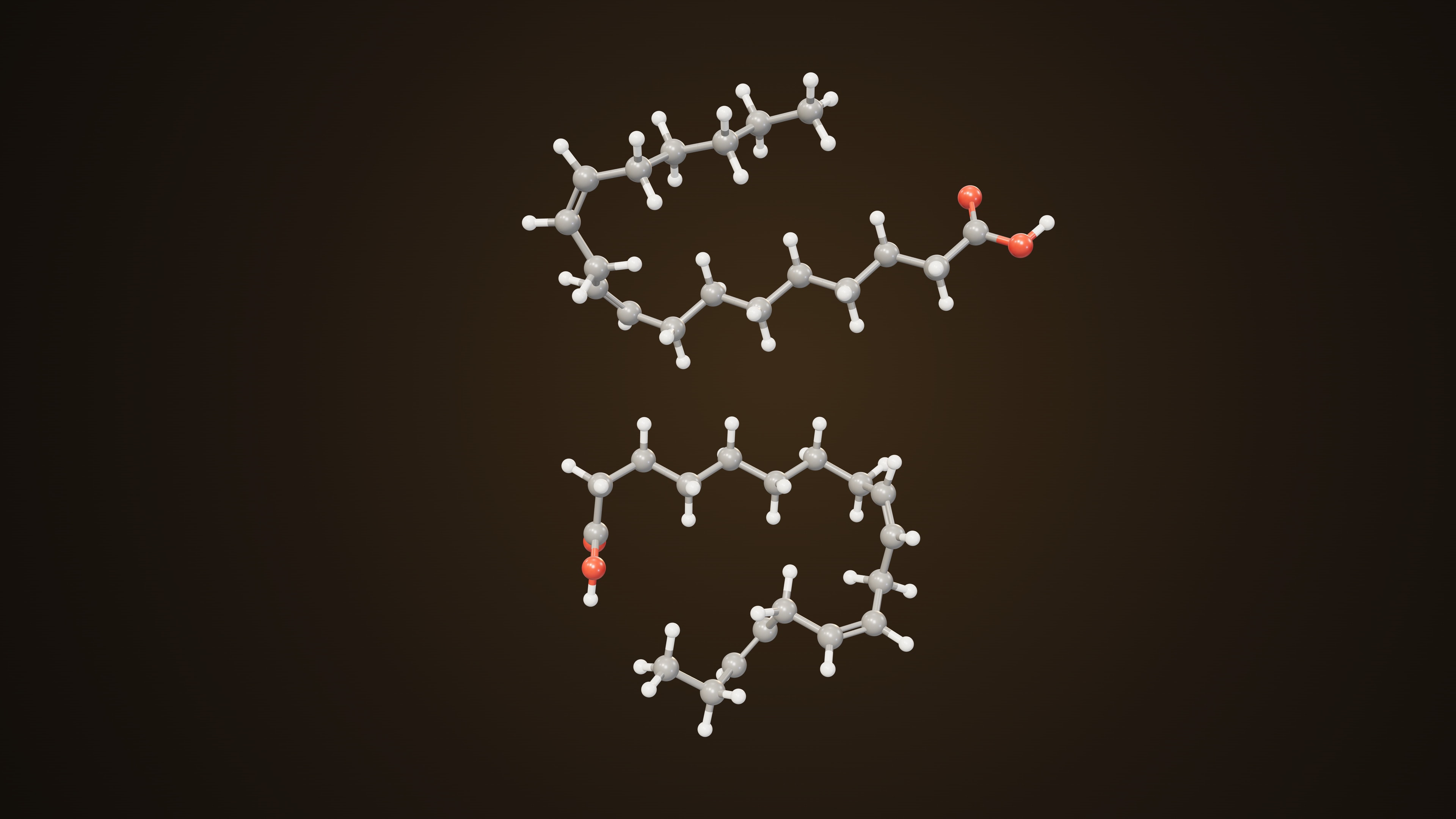
Unsaturated fatty acids in the oil | Up to 90%; more than 70% of this is polyunsaturated |
Omega-6 to omega-3 ratio | Roughly between 3:1 and 5:1 |
Other | Gamma-linolenic acid (GLA), stearidonic acid, tocopherols (the vitamin E family) |
The seed's protein is also well digested; the essential amino acid present in the smallest amount is lysine, and its protein quality is similar to or slightly higher than that of some grains, nuts and legumes (House 2010). However, the protein stays in the pulp left after the oil is pressed out; the oil itself is made up mainly of fatty acids.
What does the research say?
The health effects of hemp seed oil have been studied in humans in only a few small studies. A review also stresses that more thorough research is needed on this topic (Farinon 2020).
- Atopic dermatitis (eczema): In a small study of patients, seed oil taken by mouth was compared with olive oil over 20 weeks. During the seed oil period, fatty acid levels in the blood changed; patients reported improvements in skin dryness and itching and used less skin medication (Callaway 2005). The study was small and single-blind; applying the oil to the skin was not tested.
- Knee osteoarthritis: In a study of 90 patients, seed oil rubbed on the knee for two months improved pain and function scores more than placebo; there was no difference from a pain-relieving gel (diclofenac) (Abbasifard 2025). This is a single study, and the cannabinoid content of the oil used was not reported in the abstract; the result needs to be confirmed by other studies.
- Heart and blood vessel health: In a 12-week study of 86 healthy volunteers, seed oil capsules did not affect cholesterol levels or platelet clumping any differently from placebo; fatty acid levels in the blood did not change noticeably either (Kaul 2008).
Although hemp seed oil is used as a moisturizer in skin care, we did not find any well-designed human study showing an effect on aging, acne, psoriasis or hair loss (PubMed, October 20, 2026). The results of studies done with CBD cannot be applied to seed oil either, because seed oil contains only very small amounts of CBD. For CBD and the skin: skin conditions and CBD.
Possible side effects and risks
- Trace THC: THC was measured in all but one of 20 hemp seed oils sold in Turkey; the average total THC in the oils was above the limit the European Union sets for hemp seed oil (Kacargil 2026). In another study of 30 commercial seed oils, three samples exceeded the EU limit (Lindekamp 2024).
- Heating: In the same study, when a seed oil was heated at 200 °C for 60 minutes, the total amount of cannabinoids went down but the amount of THC rose by 22% (Lindekamp 2024).
- Drug testing: Earlier studies reported that eating hemp seed products could make a urine test positive; in a 2001 study, however, products with about 5 micrograms of THC per gram of oil did not produce a confirmed positive result (Leson 2001). The average total THC measured in oils in Turkey was about 10 micrograms per milliliter. The authors note that Turkey applies "zero tolerance" for THC and that these levels could cause legal problems (Kacargil 2026). More detail: drug test.
- Spoilage: Polyunsaturated fatty acids tend to go rancid when exposed to air; the tocopherols in the oil slow this process (Farinon 2020).
- Blood thinners: In healthy volunteers, seed oil did not change platelet clumping (Kaul 2008); still, if you take a blood thinner, it is a good idea to talk with your doctor before using it regularly.
How was it used in studies?
The following only describes what was done in studies (study doses; not a personal recommendation):
- In the heart health study, volunteers took two 1 g seed oil capsules a day for 12 weeks (Kaul 2008).
- In the atopic dermatitis study, seed oil was added to the diet and taken by mouth, and it was compared with olive oil in the same people, in alternating periods (Callaway 2005).
- In the knee osteoarthritis study, the oil was rubbed on the knee every day for two months (Abbasifard 2025).
If you are thinking about using hemp seed oil
If you are thinking about adding it to your diet, you can talk with your doctor or dietitian. These points may help in that conversation:
- The medicines you take, especially blood thinners
- Whether you are concerned about drug or doping tests because of your job or sport
- If you have a skin condition, that seed oil will not replace your current treatment
- That using the oil for high-heat cooking may increase the amount of THC (Lindekamp 2024)
In Turkey, the rules treat hemp seed separately, as a plant part that can be used as food or animal feed (Regulation on Hemp Cultivation and Control, 2026); we did not find an explicit provision that separately regulates the sale of seed oil. Products made from cannabis, including CBD, on the other hand, can be sold only in pharmacies (Law No. 7557; regulation of January 31, 2026). Those classified as medicines or health products are dispensed with a prescription; no prescription requirement is stated for supplement products with a THC content of at most 0.3%. As of October 2026, there is no approved CBD medicine in Turkey (TİTCK (Turkish Medicines and Medical Devices Agency)). More detail: CBD laws in Turkey.
Conclusion
Hemp seed oil is a nutritious oil rich in omega-6 and omega-3 fatty acids; it is not the same product as CBD oil. There are a few small studies on skin, joint and heart health, and the results are limited so far. Knowing that it can contain small amounts of THC is important, especially for people concerned about testing.
This article is for information only; it is not a diagnosis or treatment recommendation. We do not sell products or recommend any product or brand. How we prepare our content: Editorial Policy. If you spot an error, write to [email protected] .
Frequently asked questions
Are hemp seed oil and CBD oil the same?
No. Seed oil is a food oil made by pressing the seeds; CBD oil contains CBD extracted from the plant's flowers and leaves. In 20 seed oils sold in Turkey, CBD came out at most about 0.02 mg per milliliter.
Does hemp seed oil contain THC?
The seed itself does not produce THC, but THC can get in from other parts of the plant during harvesting and processing. THC was measured in all but one of the seed oil samples sold in Turkey. So you cannot say it "contains no THC at all"; if you are concerned about testing, talk with your doctor about it.
Is hemp seed oil good for the skin?
In a small study of patients with atopic dermatitis, seed oil taken by mouth was linked to improvements in dryness and itching; applying it to the skin was not tested in this study. We did not find well-designed human studies on acne, psoriasis, aging or hair. If you have a skin condition, it is a good idea to talk with your doctor.
Can you cook with hemp seed oil?
Seed oil is a food oil, but its polyunsaturated fatty acids break down easily with heat and air. In a laboratory experiment, the amount of THC rose by 22% in seed oil heated at 200 °C for 60 minutes. You can ask your dietitian about cooking at high heat.
Is hemp seed oil legal in Turkey?
The rules treat hemp seed separately, as a plant part that can be used as food or animal feed; we did not find an explicit provision that separately regulates the sale of seed oil. Products made from cannabis, including CBD, on the other hand, can be sold only in pharmacies (Law No. 7557, regulation of January 31, 2026); those classified as medicines or health products are dispensed with a prescription, and no prescription requirement is stated for supplement products with a THC content of at most 0.3%. As of October 2026, there is no approved CBD medicine.
References
Show 14 references
- ElSohly MA, et al. Analysis of Cannabidiol, Δ9-Tetrahydrocannabinol, and Their Acids in CBD Oil/Hemp Oil Products. Med Cannabis Cannabinoids. 2020. PMID 34676337
- US FDA. FDA Regulation of Cannabis and Cannabis-Derived Products, Including Cannabidiol (CBD) (Q&A; accessed October 20, 2026).
- Farinon B, et al. The seed of industrial hemp (Cannabis sativa L.): Nutritional Quality and Potential Functionality for Human Health and Nutrition. Nutrients. 2020. PMID 32610691
- House JD, et al. Evaluating the quality of protein from hemp seed (Cannabis sativa L.) products through the use of the protein digestibility-corrected amino acid score method. J Agric Food Chem. 2010. PMID 20977230
- Callaway J, et al. Efficacy of dietary hempseed oil in patients with atopic dermatitis. J Dermatolog Treat. 2005. PMID 16019622
- Abbasifard M, et al. Effect of Topical Hemp (Cannabis sativa L.) Seed Oil on Knee Osteoarthritis: A Randomized Double-Blind Controlled Trial. Pain Manag Nurs. 2025. PMID 39256070
- Kaul N, et al. A comparison of fish oil, flaxseed oil and hempseed oil supplementation on selected parameters of cardiovascular health in healthy volunteers. J Am Coll Nutr. 2008. PMID 18460481
- Kacargil CU, et al. Determination of cannabinoids in commercial hemp seeds and hemp seed oil products in Türkiye by LC-MS/MS. Forensic Sci Int. 2026. PMID 41621128
- Lindekamp N, et al. Quantification of sixteen cannabinoids in hemp seed edible oils and the influence of thermal processing on cannabinoid contents and profiles. Food Addit Contam Part A Chem Anal Control Expo Risk Assess. 2024. PMID 38588664
- Leson G, et al. Evaluating the impact of hemp food consumption on workplace drug tests. J Anal Toxicol. 2001. PMID 11765026
- Republic of Turkey Ministry of Agriculture and Forestry. Regulation on Hemp Cultivation and Control. Official Gazette 33154, January 31, 2026.
- Law No. 7557. Official Gazette 32965, July 24, 2025.
- Republic of Turkey Ministry of Health. Regulation on Products Derived from Hemp. Official Gazette 33154, January 31, 2026.
- TİTCK (Turkish Medicines and Medical Devices Agency). List of Licensed Human Medicinal Products (October 16, 2026).
 Topical CBD and Skin Conditions: Research on Hives and Eczema
 How Is CBD Oil Made? Production by CO2 Extraction
 What Is CBD Oil? How It’s Made, What It Does and Its Status in Turkey (2026)
 Making CBD Oil from Hemp in Turkey: The Legal Path from Field to Pharmacy