
Acne and CBD: What Does the Research Say?
CBD, which has shown striking results in oil gland cells in the laboratory, is being talked about as a new hope for acne. We look at where we are on the road from the laboratory to the clinic.
By: cbd.school editorial teamUpdated: 7 sources
Quick check
This article is prepared according to our editorial policy.
- We sell no products, recommend no brands and give no personal doses.
- We base health information on peer-reviewed studies or official institutions. When the evidence is weak, we say so plainly: How do we rate the strength of evidence?
- If you spot an error, write to us through the contact form. We check it against the source, correct it if it is right, and update the page's date.
Details: Editorial Policy. Our content is for information only; it does not replace diagnosis or treatment.
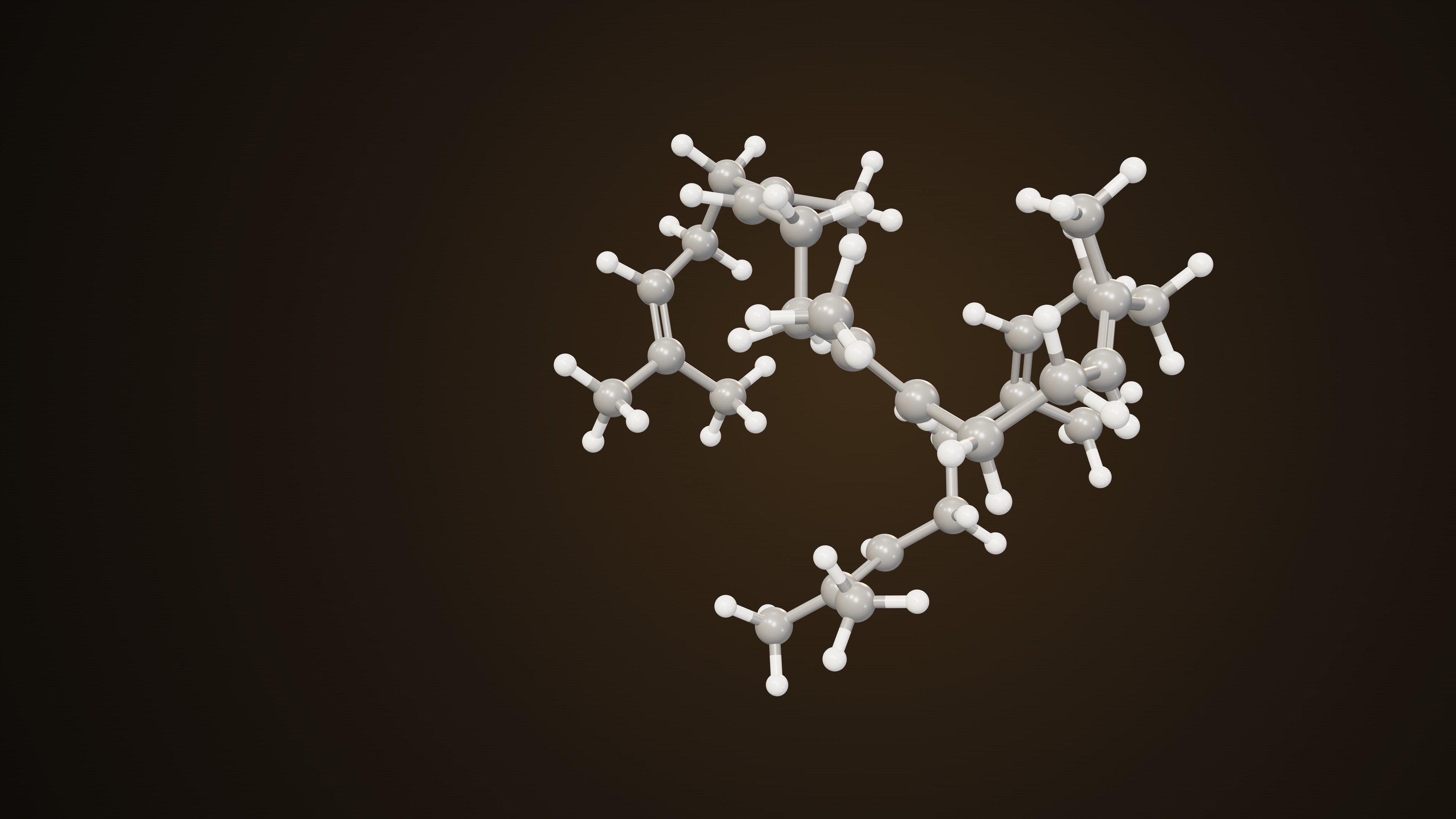
Acne often starts in the teenage years but can continue into adulthood; painful bumps on the face, back or chest can also affect how a person feels about themselves. For someone who has tried different products for years, a new gel or serum labeled "with CBD" can look promising. In this article we explain what research shows about CBD and acne, where we are on the road from the laboratory to the clinic, and which acne treatments have a known effect.
What’s in this article?10 sections
How does acne form?
Acne is a problem that starts in the hair follicle and the oil gland attached to it. Excess oil (sebum) production by the oil gland, clogging of the pore with dead cells, overgrowth of a bacterium that lives in the pore (Cutibacterium acnes) and inflammation all play a role together. Acne is common in children aged 9 and over, in teenagers and in adults (Reynolds 2024).
Why are people curious about CBD?
CBD (cannabidiol) is a non-intoxicating substance obtained from cannabis. Interest in it for acne grew after a laboratory study published in 2014. In that study, CBD reduced oil production and cell growth in human oil gland cells and in pieces of human skin kept alive in the laboratory; it also suppressed inflammation-related signals. The researchers wrote that CBD was a promising candidate for acne (Oláh 2014). Because it seemed to act at the same time on three basic steps of acne, namely excess oil, cell growth and inflammation, CBD became an intriguing option.
What does the research say?
Laboratory and early studies
A systematic review published in 2026 (a study that searches and assesses the research on a topic with a set method) brought together cell, tissue and early clinical studies on CBD and CBD-containing hemp extracts for acne. In the laboratory, CBD reduced inflammatory signals, balanced the overactivity of oil gland cells and eased the inflammation triggered by acne bacteria. Early clinical observations reported a decrease in the number of pimples and in redness. However, the review stresses that these studies involved few people, most did not randomly assign participants to groups, the products differed greatly from one another and were often used together with other active ingredients; it rates the evidence as "preliminary" (Komane 2026).
The largest clinical study
The largest study to date involved 368 people with moderate to severe acne. Participants were randomly assigned to groups (this method, used in well-designed studies, makes the groups similar at the start) and for 12 weeks applied a solution containing 5% or 2.5% CBD, or the same solution without CBD, to their faces. Neither the participants nor the researchers knew who was using which product. According to the results posted in the ClinicalTrials.gov record, the number of inflamed pimples fell by an average of between 8.5 and 12 in the CBD groups and by 11.3 in the group using the solution without CBD; in other words, no clear difference was seen between the solutions with and without CBD. Side effects were also similar between groups (NCT03573518). We could not find a version of this study published in a peer-reviewed journal.
This result is a reminder of an important point: an effect seen in oil gland cells in a lab dish may not show up in the same way in a product applied to the face. Whether CBD reaches deep enough into the skin is also still being researched.
Acne scars
In a frequently cited study on acne scars, 20 people used a CBD ointment for 3 months, and improvements in skin measurements were reported. However, the participants' scars came not from acne but from conditions such as psoriasis and eczema, and there was no comparison group (Palmieri 2019). This study tells us nothing about acne scars.
Products containing THC
We found no human study looking at the effect of products containing THC (the intoxicating substance in cannabis) on acne.
Acne treatments with a known effect
For acne, the effect of many treatments has been shown in well-designed studies. The American Academy of Dermatology's 2024 guideline gives strong recommendations for benzoyl peroxide, retinoids and antibiotics applied to the skin, and oral doxycycline. For severe acne, acne that leaves scars, or acne that does not respond to other treatments, oral isotretinoin is strongly recommended. Options such as salicylic acid and azelaic acid are among the conditional recommendations (Reynolds 2024). Most of these medicines are used under a doctor's supervision.
Possible side effects and drug interactions
In the 368-person study, the side effects seen with the CBD solutions were similar to those with the solution without CBD, and no serious side effects were reported (NCT03573518). Products on the market, however, also contain fragrances, preservatives and plant extracts besides CBD, and these can irritate sensitive skin. If you use a medicine for acne, it is a good idea to ask your doctor or pharmacist before adding a new product to your routine. We cover the side effects of products applied to the skin, and how much passes from the skin into the blood, in our article CBD oil and the skin: side effects; how oral CBD interacts with medicines is covered on the drug interactions page.
How was it used in studies?
These were the forms used in the 368-person study (study doses; not a personal recommendation):
- Solution containing 5% CBD, twice a day
- Solution containing 5% CBD, once a day
- Solution containing 2.5% CBD, once a day
All were used for 12 weeks; in none of them was the reduction in the number of inflamed pimples clearly greater than with the solution without CBD (NCT03573518).
If you are thinking about using CBD
If acne lasts a long time, causes painful, deep bumps or leaves scars, it is important to see a dermatologist. In two young patients who followed skin care routines on social media and put off treatment, the acne was reported to have progressed and needed more intensive treatment (Rivetti 2025). You can talk with your dermatologist about:
- The type and severity of your acne and the treatment options that suit you.
- Whether it is appropriate to use a CBD product together with the medicines you use or are prescribed.
- Whether the product's ingredient list contains anything that could irritate your skin.
In Turkey, products obtained from cannabis, including CBD, can be sold only in pharmacies (Law No. 7557, regulation of January 31, 2026). Those in the medicine and health product category are dispensed with a prescription; no prescription requirement is stated for support products and cosmetics (personal care products) with a THC content of no more than 0.3%. As of October 2026, there is no approved (licensed) CBD medicine in Turkey. Details are on our regulation page.
Conclusion
Because it acts on the basic steps of acne in the laboratory, CBD remains an intriguing candidate. However, in the largest clinical study so far, the CBD solution did not give clearly different results from the same solution without CBD, and the smaller studies are preliminary. Acne today has treatments with a well-known effect, and talking with a dermatologist about them is the soundest step. The overall summary of the CBD evidence in skin conditions is on our Skin Conditions and CBD page.
Frequently asked questions
Does CBD clear up acne?
No study shows this. In the laboratory, CBD reduced oil production and inflammation in oil gland cells. However, in a 368-person study of people with moderate to severe acne, there was no clear difference between the CBD solution and the same solution without CBD in how much the number of inflamed pimples went down.
Does CBD reduce acne scars?
We found no CBD study on acne scars. In the frequently cited 20-person study, the scars came from conditions such as psoriasis and eczema and there was no comparison group; it tells us nothing about acne scars.
Does a CBD body wash help with back and chest acne?
We found no study of CBD products for body acne. In the largest study on facial acne, the CBD solution did not give different results from the solution without CBD.
Can I use a CBD product together with my acne medicine?
There are no studies on using them together. Ask your dermatologist or pharmacist before adding a new product to your routine, especially if you use a prescription acne treatment.
Where can CBD acne products be bought in Turkey?
Products obtained from cannabis, including CBD, can be sold only in pharmacies (Law No. 7557, regulation of January 31, 2026). Those in the medicine and health product category are dispensed with a prescription; no prescription requirement is stated for support products and cosmetics with a THC content of no more than 0.3%. As of October 2026, there is no approved (licensed) CBD medicine in Turkey.
References
Show 7 references
- Oláh A, et al. Cannabidiol exerts sebostatic and antiinflammatory effects on human sebocytes. J Clin Invest. 2014. PMID 25061872
- Komane B, et al. CBD-Containing Hemp Extracts and Isolated CBD for Acne: A Systematic Review of Anti-Inflammatory Mechanisms, Clinical Signals and Sustainability. Molecules. 2026. PMID 42357416
- Botanix Pharmaceuticals. Evaluation of BTX 1503 in Patients With Moderate to Severe Acne Vulgaris (NCT03573518). ClinicalTrials.gov, results April 18, 2022.
- Reynolds RV, et al. Guidelines of care for the management of acne vulgaris. J Am Acad Dermatol. 2024. PMID 38300170
- Palmieri B, et al. A therapeutic effect of cbd-enriched ointment in inflammatory skin diseases and cutaneous scars. Clin Ter. 2019. PMID 30993303
- Rivetti N, et al. Severe nodulocystic acne requiring corticosteroids after social media-induced delay: a two-patient case series. Skin Health Dis. 2025. PMID 41312317
- Kenevirden Elde Edilen Ürünlere Dair Yönetmelik (Regulation on Products Derived from Hemp). Official Gazette, January 31, 2026, issue 33154. Official Gazette 33154
 CBD Oil and the Skin: Research and Side Effects
 CBD in Cosmetics: Ingredients and Research
 CBD and Skin Care: The Scientific Research
 Hemp Seed Oil and the Skin: The Research