
What Are CBD Edibles? When Do They Start Working?
From gum to chocolate, CBD now shows up in food too. We looked at how swallowed CBD travels through the body and what to look out for with these products.
By: cbd.school editorial teamUpdated: 17 sources
Quick check
This article follows our editorial policy.
- We don't sell products, recommend brands or give personal doses.
- We base health information on peer-reviewed studies or official bodies. When the evidence is weak, we say so plainly: How do we rate the strength of evidence?
- If you spot an error, write to us through the contact form. We check it against the source, correct it if it is wrong, and update the page date.
Details: Editorial Policy. Our content is for information only; it does not replace diagnosis or treatment.
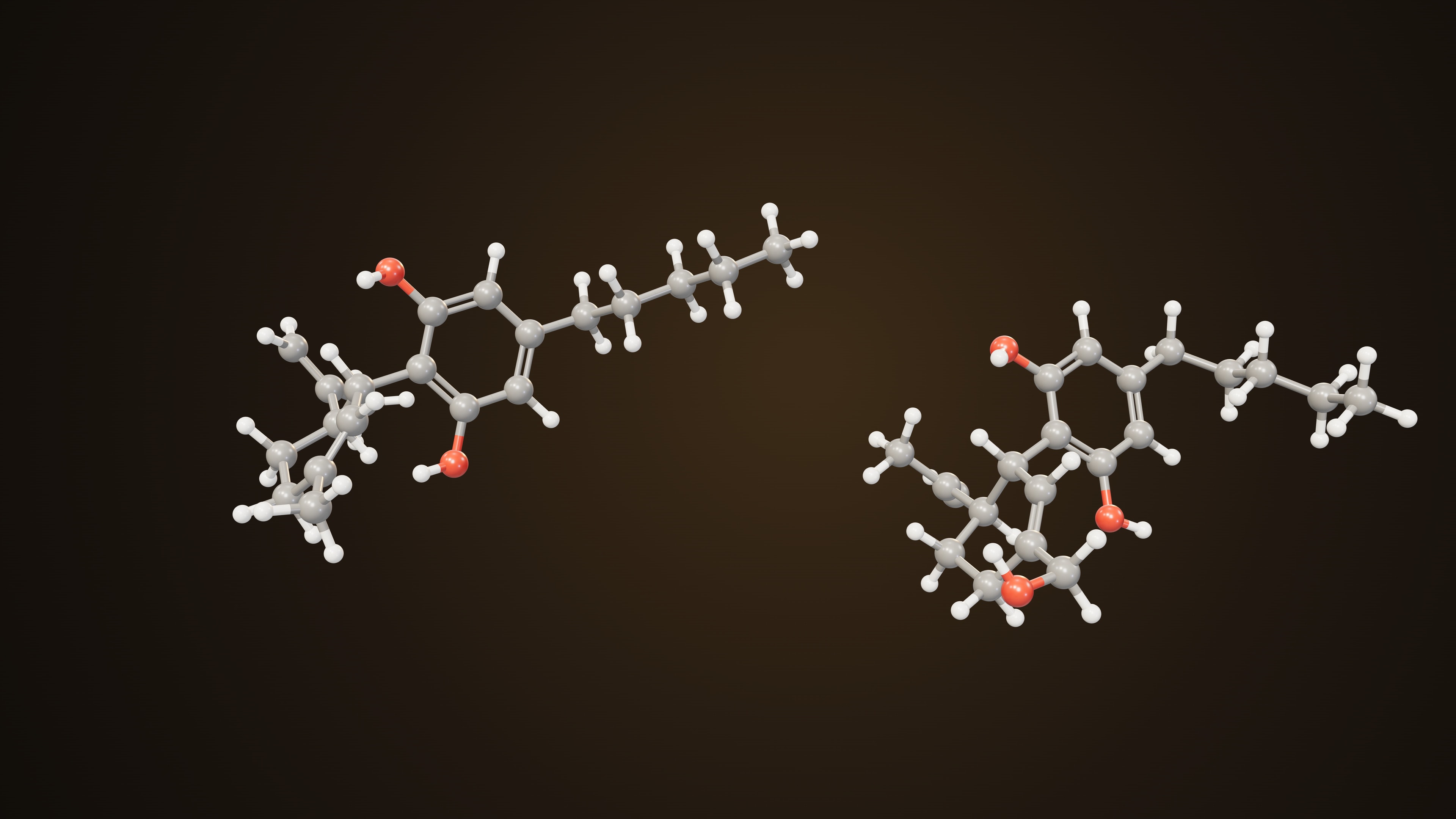
CBD is no longer found only in oil bottles; it also shows up in colorful gummies, chocolates, coffees and sodas. Because these products taste good and are easy to use, it is natural to wonder, "Can I eat a gummy instead of taking drops, and when will it start working?" In this article we cover how CBD edibles travel through the body, how reliable their labels are, why children and pets need extra care, and what you can talk about with your doctor.
What’s in this article?11 sections
What are CBD edibles?
CBD (cannabidiol) is a compound found in the cannabis plant that does not cause a high or mental fog. CBD edibles are this compound added to a food or drink. Common examples include:
- Candy: Gum, gummies, lozenges, lollipops, chocolates.
- Baked goods: Cookies, cakes, biscuits.
- Drinks: Coffee, tea, sodas and energy drinks; alcoholic drinks in some countries.
- Capsules: They are not food, but because they are swallowed, they take a similar route through the body.
Alongside CBD, some edible cannabis products also contain cannabis's main intoxicating compound, THC. Seeing "CBD" on the package does not guarantee that the product is free of THC.
The legal status of CBD foods varies from country to country. For example, the US Food and Drug Administration (FDA) states that interstate commerce in foods with added CBD is prohibited. In Turkey, cannabis-derived products, including CBD, can be sold only in pharmacies; CBD products sold in supermarkets, cafés, online or on social media fall outside this legal sales channel (see regulations).
When do they start working?
Swallowed CBD is first absorbed from the stomach and intestines, then passes through the liver, and only after that enters the bloodstream. This route is longer than inhaling vapor. According to a review of human studies, oral CBD reached peak blood levels between 0 and 4 hours; when inhaled, this time was shorter (Millar 2018). The prescribing information of the approved CBD medicine states that with regular use this time is 2.5–5 hours.
Whether you have eaten changes this picture markedly. In a study of healthy volunteers, when CBD was taken with a high-fat, high-calorie meal, peak blood levels were about 5 times higher and the total amount absorbed about 4 times higher than on an empty stomach; a low-fat meal and milk also increased them (Crockett 2020). Since edibles are often eaten with a meal or as one, the same amount of CBD can give different results on different days.
It is often said that some of the CBD in gum and lozenges that dissolve in the mouth is absorbed inside the mouth and works faster. But a study comparing CBD oil dropped under the tongue with a capsule found no difference in blood CBD levels; the researchers think most of the CBD held in the mouth ends up being swallowed (Johnson 2024).
Because pure CBD does not cause a high, most people don't feel the effect "kick in." This matters especially with THC-containing edibles: because the effect starts late, taking more after thinking "I didn't feel anything" is a common mistake that can lead to taking more than intended and to serious side effects (Barrus 2016).
How many drops of CBD oil?
Turn the dose your doctor prescribed into drops.
1. How many mg of CBD are in the bottle?
2. How many ml is the bottle?
3. How many mg did your doctor prescribe?
For 25 mg
5 drops
Each drop contains about 5 mg of CBD.
Your doctor decides the dose. This tool only shows how many drops that is.
For another bottle, a percentage (%) or a syringeHow long does it stay in the body?
CBD leaves the body slowly. According to the approved medicine's prescribing information, in healthy volunteers who took it twice a day for a week, it took 56–61 hours for blood CBD to fall by half. In a study of volunteers given a single high dose of CBD, CBD could still be measured in the blood for more than four weeks after the highest dose (McCartney 2022). So when you think a gummy's "effect has worn off," CBD may still be in your body; this time matters for drug interactions.
How accurate is the amount on the label?
Edible packages usually state how many mg of CBD are in one serving or in the whole package. Research shows these numbers can't always be trusted:
- Hair care, cosmetic and food and drink products (Dowd 2025): Of 97 products bought in stores and online in the US, 71 listed a CBD amount on the label, and only 12.7% of those matched their labels. Ten products contained no CBD at all. In foods and drinks, the deviation ranged from containing no CBD at all to more than 40 times the stated amount.
- 121 CBD edibles (Gardener 2022): Low levels of lead were found in 42% of the products, mercury in 37% and arsenic in 28%. In this study, of 516 products made up of foods and creams, the measured CBD was within ±10% of the labeled amount in only 42%.
- 84 CBD products bought online (Bonn-Miller 2017): THC was found in about one in five products.
We explain step by step what to look for on a label and how to read a certificate of analysis on our label reading page.
Extra care for children and pets
The biggest risk with edibles is that they look like candy or cookies. A child or pet may mistake them for an ordinary snack.
- THC-containing foods: The number of cases reported to US poison control centers in which children under 6 accidentally ate THC-containing cannabis edibles rose from 207 in 2017 to 3,054 in 2021. Most cases involved sleepiness and confusion; 22.7% of the children were admitted to the hospital (Tweet 2023).
- CBD products: Of 6,496 CBD exposure cases reviewed by FDA researchers, 36.2% were in children aged 2–12, and in this age group most cases were accidental. All 44 serious outcomes seen in single-product cases were linked to unapproved CBD products (Perez-Vilar 2023).
- Dogs: Two dogs were reported to have died after eating cakes and cookies made with THC butter (Meola 2012). For more on pets, see our article on CBD for pets.
The FDA recommends keeping cannabis products out of children's reach and, if you suspect a child has eaten one of these products, especially if the child is acting strangely or feels unwell, taking the child to a doctor or the emergency room.
Possible side effects and drug interactions
Not causing a high does not mean CBD is risk-free. In studies of the approved CBD medicine, the most common side effects were sleepiness, decreased appetite, diarrhea and fatigue. In a controlled study in healthy adults, liver enzymes rose above 3 times the normal level in 5.6% of those taking 5 mg of CBD per kilogram per day (Florian 2025).
- Alcohol: When taken with alcohol, blood levels of CBD rose (Crockett 2020); the prescribing information states that alcohol can increase sleepiness. CBD-infused alcoholic drinks call for extra care for this reason.
- Medicines: CBD can change the blood levels of some medicines by slowing how the body breaks them down. Details are on our drug interactions page.
- Driving and testing: CBD can make some people sleepy; THC-containing products impair driving and can cause a positive test result (see driving).
How was it used in the studies?
In almost all clinical studies, CBD was given as an oil, oral solution or capsule; we found no controlled efficacy study using foods such as gummies or cookies. For the approved CBD medicine, the doctor calculates the dose based on the person's weight. For CBD sold as food, some official bodies recommend an upper limit: the UK Food Standards Agency advises healthy adults to take no more than 10 mg of CBD a day from food; the European Food Safety Authority set a provisional safe level for pure CBD supplements of about 2 mg a day for a 70 kg adult. These are food safety limits, not personal recommendations.
If you are considering CBD
Before trying an edible, you can talk about the following with your doctor or pharmacist:
- All the medicines you take, especially sedatives, epilepsy drugs and blood thinners.
- Whether you have liver disease or raised liver tests.
- Pregnancy, breastfeeding or plans to become pregnant.
- Where you will store the product if there are children or pets at home.
In Turkey, cannabis-derived products, including CBD, can be sold only in pharmacies (Law No. 7557, regulation of January 31, 2026). Those classed as medicines or health products are dispensed on prescription; no prescription requirement is stated for supplement products with at most 0.3% THC. As of October 2026, there is no approved CBD medicine in Turkey. Details are on our regulations page.
Conclusion
CBD edibles may seem practical and tasty, but in the body they behave no differently from an oil drop: they are swallowed, reach the blood late, are absorbed more when taken with food, and stay in the body for a long time. Because label amounts are often off and the products look like candy, the safest path is to talk with your doctor or pharmacist about the contents, storage and the medicines you take before deciding.
Frequently asked questions
When do CBD edibles start working?
Swallowed CBD takes time to reach the bloodstream. In studies, peak blood levels were reached between 0 and 4 hours; the approved medicine's prescribing information gives this time as 2.5–5 hours with regular use. Whether you have eaten markedly changes the amount that reaches the blood.
Do CBD gum or lozenges work faster than oil?
No study shows this. In a study comparing under-the-tongue drops with a capsule, blood CBD levels did not differ; the researchers think most of the CBD held in the mouth is swallowed.
Do CBD edibles get you high?
Pure CBD does not cause a high. But some edible cannabis products also contain THC, and the label is not always accurate; with THC foods, because the effect starts late, taking too much is a common mistake.
What should I do if my child accidentally eats CBD candy?
The FDA recommends that if you suspect a child has eaten a cannabis product, especially if the child is acting strangely or feels unwell, you take the child to a doctor or the emergency room. Bring the product's package with you.
Can CBD foods or drinks be sold in Turkey?
In Turkey, cannabis-derived products, including CBD, can be sold only in pharmacies (Law No. 7557, regulation of January 31, 2026). Those classed as medicines or health products are dispensed on prescription; no prescription requirement is stated for supplement products with at most 0.3% THC. As of October 2026, there is no approved CBD medicine in Turkey. CBD products sold in supermarkets, cafés or online fall outside this legal sales channel.
References
Show 17 references
- Millar SA, et al. A Systematic Review on the Pharmacokinetics of Cannabidiol in Humans. Front Pharmacol. 2018. PMID 30534073
- Crockett J, et al. A phase 1, randomized, pharmacokinetic trial of the effect of different meal compositions, whole milk, and alcohol on cannabidiol exposure and safety in healthy subjects. Epilepsia. 2020. PMID 32012251
- Johnson DA, et al. Cannabidiol Oil Ingested as Sublingual Drops or Within Gelatin Capsules Shows Similar Pharmacokinetic Profiles in Healthy Males. Cannabis Cannabinoid Res. 2024. PMID 37733294
- Barrus DG, et al. Tasty THC: Promises and Challenges of Cannabis Edibles. Methods Rep RTI Press. 2016. PMID 28127591
- McCartney D, et al. Effects of cannabidiol on simulated driving and cognitive performance: A dose-ranging randomised controlled trial. J Psychopharmacol. 2022. PMID 35637624
- Dowd AN, et al. Cannabinoid Content and Label Accuracy of Various Hemp-Derived Haircare, Cosmetic, and Edible Products Available at Retail Stores and Online in the United States. Cannabis Cannabinoid Res. 2025. PMID 39029473
- Gardener H, et al. Heavy metal and phthalate contamination and labeling integrity in a large sample of US commercially available cannabidiol (CBD) products. Sci Total Environ. 2022. PMID 35987236
- Bonn-Miller MO, et al. Labeling Accuracy of Cannabidiol Extracts Sold Online. JAMA. 2017. PMID 29114823
- Tweet MS, et al. Pediatric Edible Cannabis Exposures and Acute Toxicity: 2017-2021. Pediatrics. 2023. PMID 36594224
- Perez-Vilar S, et al. Cannabidiol exposures in the United States, National Poison Data System, July 2014-June 2021. Clin Toxicol (Phila). 2023. PMID 36537670
- Meola SD, et al. Evaluation of trends in marijuana toxicosis in dogs living in a state with legalized medical marijuana: 125 dogs (2005-2010). J Vet Emerg Crit Care (San Antonio). 2012. PMID 23216842
- Florian J, et al. Cannabidiol and Liver Enzyme Level Elevations in Healthy Adults: A Randomized Clinical Trial. JAMA Intern Med. 2025. PMID 40622698
- US FDA / DailyMed. EPIDIOLEX (cannabidiol) oral solution prescribing information, sections 6.1, 7 and 12.3 (accessed October 20, 2026).
- US FDA. FDA Regulation of Cannabis and Cannabis-Derived Products, Including Cannabidiol (CBD), Q&A page (content dated July 16, 2024).
- UK Food Standards Agency (FSA). Cannabidiol (CBD) consumer advice (October 2023).
- European Food Safety Authority (EFSA). Provisional safe level for cannabidiol as a novel food (2026).
- Ministry of Health. Kenevirden Elde Edilen Ürünlere Dair Yönetmelik (Regulation on Products Derived from Hemp). Official Gazette, January 31, 2026, issue 33154. Official Gazette 33154
 CBD Creams: What Do They Do, and What Are the Side Effects?
 What Is Hemp Seed Oil? Nutrition Facts and Side Effects
 Topical CBD and Skin Conditions: Research on Hives and Eczema
 How Is CBD Oil Made? Production by CO2 Extraction