
Tension-Type Headache and CBD: What Does the Research Say?
Many people wonder about CBD for that familiar ache that wraps around the head at the end of a stressful day. In this article, we look together at what is known about tension-type headache and where research on CBD stands today.
By: cbd.school editorial teamUpdated: 10 sources
Quick check
This article is prepared according to our editorial policy.
- We do not sell products, recommend brands or give personal doses.
- We base health information on peer-reviewed studies or official bodies. When the evidence is weak, we say so clearly: How do we rate the strength of evidence?
- If you spot an error, write to us through the contact form. We check it against the source, correct it if it is right, and update the page's date.
Details: Editorial Policy. Our content is for information only; it does not replace diagnosis or treatment.
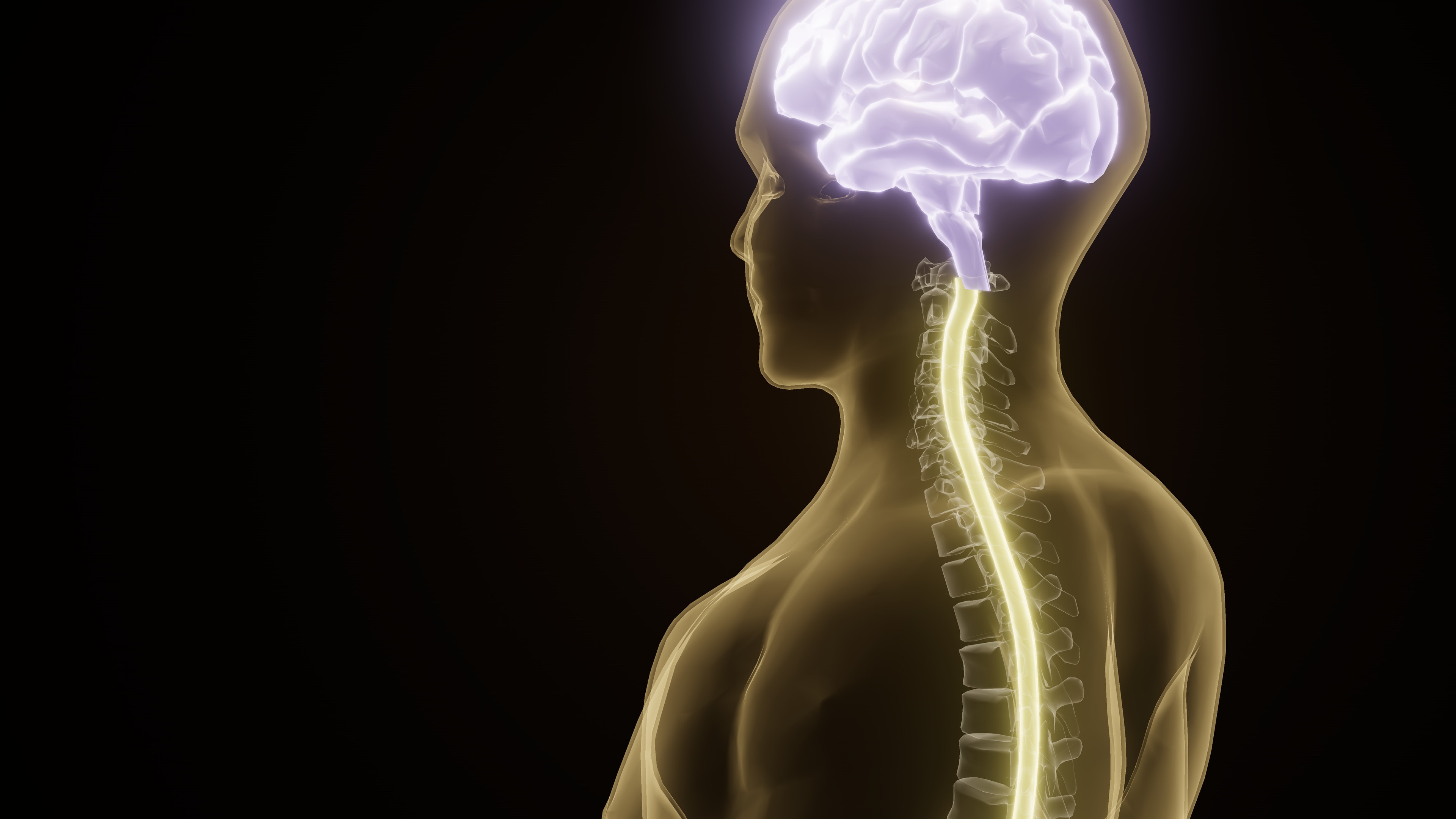
Feeling as if a band is squeezing your head at the end of a busy workday is something most of us know. Tension-type headache is usually not dangerous, but when it comes back often, it wears you down and takes away your enjoyment and focus. So it is very natural to wonder, "If it comes with stress, can CBD help?" In this article, we have gathered in plain language what this headache is, what we know and don't know about CBD, the possible side effects, and topics you can discuss with your doctor.
What’s in this article?9 sections
What is tension-type headache?
According to the World Health Organization, tension-type headache is a feeling of pressure or tightness that wraps around the head like a band; sometimes it spreads to the back of the neck or starts there. It may be linked to stress or to muscle problems in the neck, often begins in the teenage years and is more common in women. The episodic form, occurring on fewer than 15 days a month, is reported in more than 70% of people in some populations; attacks can last a few hours, sometimes several days. The chronic form, occurring on 15 or more days a month, is more disabling (WHO).
According to the UK's National Health Service (NHS), typical symptoms are:
- Pain on both sides of the head, in the face or in the neck,
- A feeling of something pressing on the head or squeezing around it,
- A scalp and muscles that feel tender to the touch.
With this headache you can usually carry on with daily activities; the pain lasts at least half an hour, sometimes several days. Common triggers include stress, sleep problems and caffeine. Taking pain relievers very often or for a long time can itself cause headaches; this is called medication overuse headache (NHS). Throbbing, one-sided pain that comes with nausea and sensitivity to light, on the other hand, suggests migraine; for that, you can see our article on migraine and cannabis.
Why are people curious about CBD?
CBD (cannabidiol) is a substance found in the cannabis plant that, unlike THC, does not make you high or cloud your thinking. Because it is linked to the endocannabinoid system, one of the body's signaling networks that helps regulate pain and the stress response, it is being studied for pain and anxiety.
Because tension-type headache often comes along with stress, people also often ask about CBD's effect on anxiety. Although some small studies have shown positive signs, the results are inconsistent and the evidence is considered weak today; details are in our article on anxiety and CBD. So the idea that "it reduces stress and therefore prevents headaches" is, for now, an assumption.
What does the research say?
In tension-type headache: no controlled studies yet
Whether a treatment works is best shown by controlled studies, in which participants are assigned to groups by chance and one group receives a product that looks the same but has no active ingredient (placebo). There is no such human study of CBD or cannabis in tension-type headache. A 2026 review of controlled studies of cannabinoids in low back pain and headaches also included no study on this headache. In the same review, positive signs seen with a synthetic THC-like medicine (nabilone) in medication overuse headache were rated as "very uncertain" (Costa-Oliveira 2026).
A related topic: the migraine study
The strongest data in the headache field come from migraine. In a controlled study of 92 people, vaporized and inhaled marijuana containing both THC and CBD relieved pain during a migraine attack more than placebo did. The inhaled CBD-dominant product alone, however, showed no clear difference from placebo (Schuster 2026). This result applies to migraine attacks; it cannot be carried over directly to tension-type headache or to CBD oil taken by mouth.
User reports
Across thousands of uses that cannabis users logged in a phone app, headache severity was reported to fall by about half after inhaled cannabis (Cuttler 2020). However, these products contained THC, there was no comparison group, pain was measured by people's own ratings, and the amount used increased over time as the effect faded. Data like this give an idea, but they do not show that CBD works.
Possible side effects and drug interactions
CBD is well tolerated by most people in short-term use, but it is not free of side effects:
- Common side effects: Tiredness, diarrhea, changes in appetite or weight (Iffland 2017).
- Liver: In a 4-week study of healthy adults, liver enzymes rose markedly in 5.6% of those taking 5 mg of CBD per kilogram of body weight a day; this was not seen in the placebo group (Florian 2025).
- With pain relievers: In a knee osteoarthritis study, liver enzyme elevations were more common in people taking a high dose of CBD (600 mg a day) together with 3 g of paracetamol (acetaminophen) a day (Pramhas 2023). No meaningful documented interaction is known with pain relievers such as ibuprofen, but there are no direct studies either.
- Other medicines: CBD can slow down how the body breaks down some medicines; blood thinners, some antidepressants and sedatives are among them. You can look up your own medicine on the drug interactions page.
- Products containing THC: They can cause a high, dizziness and impaired attention; they affect driving.
How was it used in studies?
Because CBD has not been tested in tension-type headache, there is no study dose. A common belief is that CBD dropped under the tongue "works fast." In a small study of 8 healthy men, however, there was no difference in blood CBD levels between sublingual drops and capsules; with both routes, the highest level was reached in about 4 hours (Johnson 2024). So there are no data suggesting that drops will work "right away" on a headache.
If you are thinking about using CBD
Living with frequent headaches is truly draining; it is very understandable to look for new ways to find relief. You can talk with your doctor about:
- How often you have headaches and on how many days a month you take pain relievers.
- Triggers such as sleep, caffeine, long screen time or posture; options such as relaxation exercises, regular physical activity and massage.
- All the medicines you take and your liver health.
- Pregnancy, breastfeeding or plans for pregnancy.
If you have a very severe headache that starts suddenly, pain after a head injury, or symptoms such as trouble speaking or weakness in the arms or legs, get emergency help without waiting (NHS). In Turkey, cannabis-derived products, including CBD, may be sold only in pharmacies (Law No. 7557; regulation of January 31, 2026). Those classed as medicines or health products are dispensed with a prescription; the regulation does not state a prescription requirement for supplement products with a THC content of at most 0.3%. As of October 2026, there is no approved (licensed) CBD medicine in Turkey. For details, see our regulations page.
Conclusion
The effect of CBD on tension-type headache has not yet been studied; the closest data we know of come from migraine, and even there the CBD-dominant product alone showed no clear difference. For this headache, known steps such as sleep, stress management and using pain relievers correctly are still the soundest starting point. If you are curious about CBD, you can weigh it up by talking with your doctor.
Frequently asked questions
Does CBD relieve tension-type headache?
There is not yet a study that can answer this question; there is no controlled human study of CBD or cannabis in tension-type headache. In a controlled study of migraine, a closely related topic, the CBD-dominant product alone showed no clear difference from placebo.
In stress-related headache, can CBD help by reducing anxiety?
CBD's effect on anxiety is being studied, but the results are inconsistent and the evidence is considered weak today. So the idea that 'it reduces stress and prevents headaches' is, for now, an assumption. Steps such as stress management, regular sleep and relaxation exercises are a sounder start.
Can I use CBD together with pain relievers?
Ask your doctor or pharmacist first. In one study, liver enzyme elevations were more common in people taking a high dose of CBD together with 3 g of paracetamol (acetaminophen) a day. No meaningful documented interaction is known with medicines such as ibuprofen, but there are no direct studies either.
Do sublingual CBD drops work quickly on a headache?
There are no data supporting this. In a small study, there was no difference in blood CBD levels between sublingual drops and capsules, and with both routes, the highest level was reached in about 4 hours.
Where can you buy CBD products in Turkey?
In Turkey, cannabis-derived products, including CBD, may be sold only in pharmacies (Law No. 7557; regulation of January 31, 2026). Those classed as medicines or health products are dispensed with a prescription; the regulation does not state a prescription requirement for supplement products with a THC content of at most 0.3%. As of October 2026, there is no approved (licensed) CBD medicine in Turkey.
References
Show 10 references
- World Health Organization (WHO). Migraine and other headache disorders (fact sheet). who.int, accessed October 20, 2026
- NHS (UK National Health Service). Tension headaches. nhs.uk, accessed October 20, 2026
- Costa-Oliveira CD, et al. Efficacy and Safety of Cannabinoid-Based Interventions for Low Back Pain and Migraine: A Systematic Review of Randomized Controlled Trials. Cannabis Cannabinoid Res. 2026. PMID 42773786
- Schuster NM, et al. Vaporized cannabis versus placebo for acute migraine: A randomized, double-blind, placebo-controlled crossover trial. Headache. 2026;66(2):365-376. PMID 41469488
- Cuttler C, et al. Short- and Long-Term Effects of Cannabis on Headache and Migraine. J Pain. 2020;21(5-6):722-730. PMID 31715263
- Johnson DA, et al. Cannabidiol Oil Ingested as Sublingual Drops or Within Gelatin Capsules Shows Similar Pharmacokinetic Profiles in Healthy Males. Cannabis Cannabinoid Res. 2024;9(5):e1423-e1432. PMID 37733294
- Iffland K, Grotenhermen F. An Update on Safety and Side Effects of Cannabidiol: A Review of Clinical Data and Relevant Animal Studies. Cannabis Cannabinoid Res. 2017;2(1):139-154. PMID 28861514
- Florian J, et al. Cannabidiol and Liver Enzyme Level Elevations in Healthy Adults: A Randomized Clinical Trial. JAMA Intern Med. 2025;185(9):1070-1078. PMID 40622698
- Pramhas S, et al. Oral cannabidiol (CBD) as add-on to paracetamol for painful chronic osteoarthritis of the knee: a randomized, double-blind, placebo-controlled clinical trial. Lancet Reg Health Eur. 2023;35:100777. PMID 38033459
- Turkish Ministry of Health. Kenevirden Elde Edilen Ürünlere Dair Yönetmelik (Regulation on Products Derived from Hemp). Official Gazette, January 31, 2026, issue 33154. Official Gazette 33154
 Rheumatoid Arthritis and CBD: What Does the Research Say?
 Chronic Fatigue Syndrome and CBD: The Research
 Focus, Cognitive Performance and CBD: A Scientific Review
 Sports Injuries and CBD: What Does the Research Say?