
Turkey’s Industrial Hemp Push: How Is Farming Done in the 21 Permitted Provinces?
Kendir, çetene, hemp: in which provinces, and under which rules, is Anatolia's ancient plant returning to the fields today? We explain the 21 permitted provinces, the application and the inspections in the field.
By: Selçuk GündoğduUpdated: 5 sources
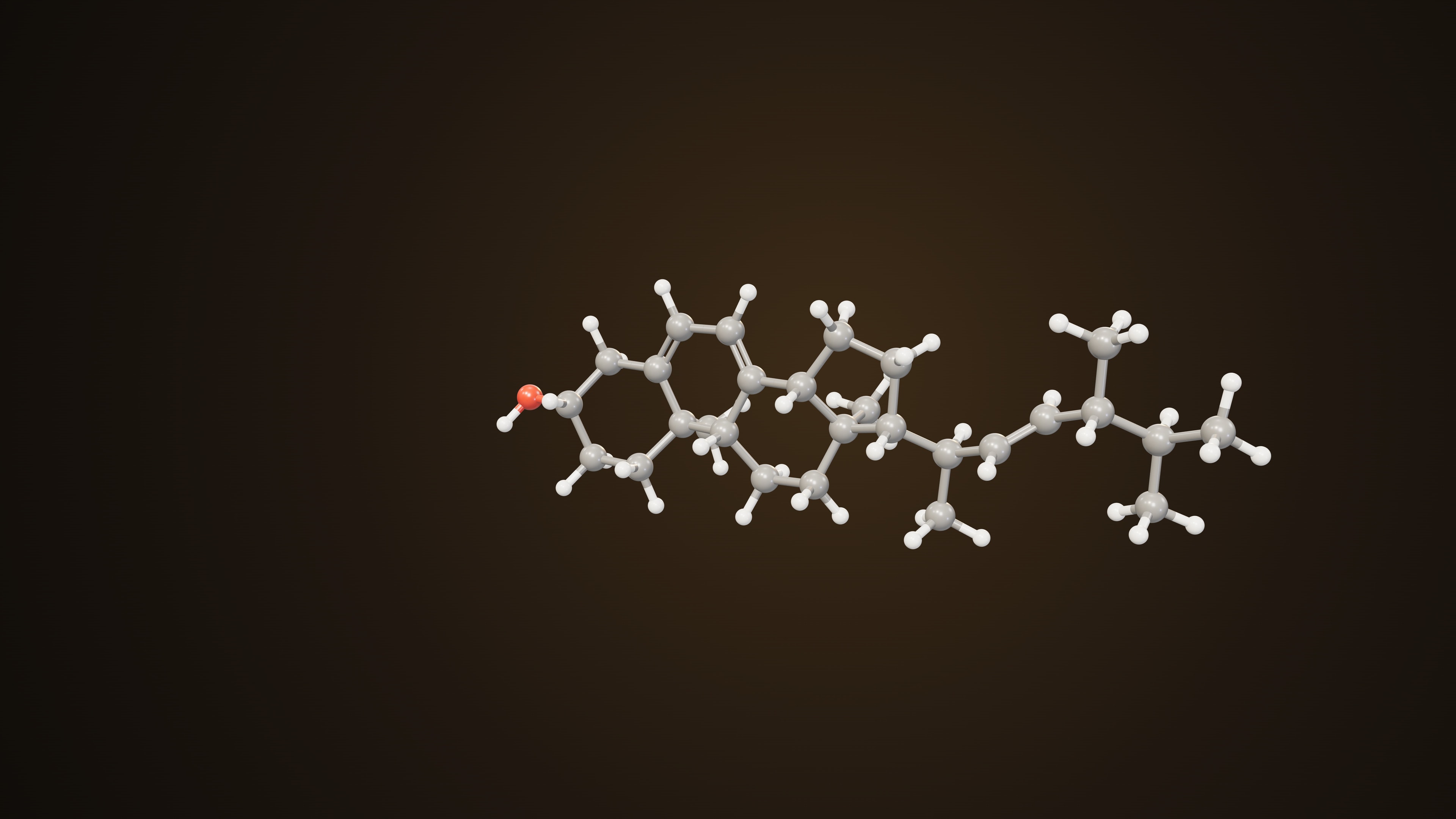
Hemp, also known locally as kendir or çetene, is a plant that has long been grown in Anatolia for its fiber and seeds. Today this farming is done under state permission and strict inspection. In this article we explain which the 21 permitted provinces are, how the permit is obtained, how fields are inspected, and why "industrial hemp" and CBD production are separate paths. We do not go into growing techniques; the aim is to make the rules easy to understand.
What’s in this article?10 sections
Which are the 21 permitted provinces?
Under the Regulation on Hemp Cultivation and Control (January 31, 2026), hemp may be grown for fiber, seed and stalk in the following provinces and their districts:
Amasya, Antalya, Bartin, Burdur, Corum, Izmir, Karabuk, Kastamonu, Kayseri, Konya, Kutahya, Malatya, Ordu, Rize, Samsun, Sinop, Sivas, Tokat, Usak, Yozgat and Zonguldak.
In the old 2016 regulation this list had 19 provinces; Konya and Sivas were added in 2026. Growing hemp outside these provinces is banned. The Ministry of Agriculture and Forestry can add new provinces when needed, with the Minister's approval. There is a separate permit route for scientific research by universities and research institutes.
What does industrial hemp mean?
In everyday language, "industrial hemp" refers to hemp grown for its fiber, stalk and seeds. The fiber is used for textiles and rope and the stalk for various materials; the regulation defines the seed as the part of the plant "that can be used as food or feed." Only certified seed of a variety with no narcotic effect may be used in this farming; the seed certificate is checked both at application and in the field. We explain the difference between hemp and marijuana in our article the difference between hemp and marijuana.
How is a permit obtained?
A person who wants to grow hemp applies every year between January 1 and April 1 to the highest local civil administration of the place where it will be grown (the governor's office in central districts, the district governor's office in other districts). The application requires:
- An application form stating the purpose of cultivation,
- A document and a signed undertaking showing that the person has no record of drug, smuggling or terrorism-related crimes,
- A Farmer Registration System (ÇKS) certificate for that year,
- A sketch map showing the land's area and its block/parcel number,
- The certificate of the seed to be used.
The provincial or district directorate of agriculture and forestry reviews the application within one month; if the Ministry's opinion is needed, this can be extended to up to three months. The land is checked on site for its distance from roads and settlements and its location. Applications found suitable are given a permit valid for only one growing season, and a copy of the permit is reported to the police together with the sketch map of the land. Rejected applications can be appealed within ten working days.
Inspection in the field
Permitted fields are inspected by a Technical Team made up of two agricultural engineers and law enforcement staff. The team checks the seed certificate and invoice, checks whether sowing was done in the area on the permit, and inspects the field at least once a month from sowing to harvest.
The grower has obligations too:
- To grow in line with the purpose stated on the permit and take measures to prevent use for any other purpose,
- To assist with inspections and provide the documents requested,
- To destroy residues such as leaves and flowers right after harvest under the supervision of the technical team.
The seeds obtained cannot be used as seed for replanting unless they are separately certified; they can be used in line with the relevant legislation provided they are not germinated.
Flowers and leaves: a separate path
CBD and other cannabinoids are found mostly in the flowers and leaves. Because the leaves and flowers of hemp grown under a fiber, seed and stalk permit are destroyed, CBD cannot be produced under this permit. A person who wants to produce flowers and leaves must apply separately to the TMO, obtain a quota and already hold a production site permit from the Ministry of Health.
Flower and leaf cultivation for support products and personal care products can be done in these 21 provinces and in the provinces where medical products are grown, outdoors or indoors. For medicines and health products, however, an indoor, high-security facility is required. We explain this path in our article the legal framework for hemp cultivation, and the product's journey to the pharmacy in our article CBD oil production from hemp in Turkey.
What happens with unpermitted planting
Hemp grown without a permit is destroyed, with a report drawn up by law enforcement and technical staff, and the matter is reported to the judicial authorities. Legal provisions also apply to those who plant more than the area on their permit or on other land, and to those who grow for a purpose other than the one permitted; their permits are canceled.
Are hemp seed oil and CBD oil the same thing?
No. The oil pressed from the seeds of industrial hemp is a food oil and not a source of CBD; CBD oil, on the other hand, is obtained by extracting the CBD that builds up in the flowers and leaves. We explain the difference in detail in our article CBD oil or hemp seed oil?.
Products obtained from cannabis, including CBD, can be sold only in pharmacies (Law No. 7557, regulation of January 31, 2026). Those in the medicine and health product category are dispensed with a prescription; no prescription requirement is stated for support products with a THC content of no more than 0.3%. As of October 2026, there is no approved (licensed) CBD medicine in Turkey. Details: Regulation guide.
Conclusion
Industrial hemp farming in Turkey is farming with clear rules, done in 21 provinces with a yearly permit and monthly inspections. This farming for fiber, seed and stalk is kept separate from the production of the flowers and leaves from which CBD is obtained; the latter is a separate path that goes through the TMO, a quota and a Ministry of Health permit.
Frequently asked questions
In which provinces of Turkey is hemp planting allowed?
Hemp for fiber, seed and stalk can be grown with a permit in Amasya, Antalya, Bartin, Burdur, Corum, Izmir, Karabuk, Kastamonu, Kayseri, Konya, Kutahya, Malatya, Ordu, Rize, Samsun, Sinop, Sivas, Tokat, Usak, Yozgat and Zonguldak, and in the districts of these provinces. Konya and Sivas were added to the list on January 31, 2026.
When do you apply for a hemp planting permit?
For fiber, seed and stalk, you apply every year between January 1 and April 1 to the highest local civil administration of the place where the hemp will be grown. The agriculture directorate reviews the application within one month, and the permit is given for only one growing season.
Can CBD be obtained from industrial hemp?
Not from hemp grown under a fiber, seed and stalk permit. Those growing under this permit must destroy leaf and flower residues after harvest under the supervision of the technical team. Flower and leaf production requires a separate application to the TMO, a quota and a production site permit from the Ministry of Health.
What happens if hemp is planted without a permit?
Hemp grown without a permit is destroyed with an official report, and the matter is reported to the judicial authorities. Legal provisions also apply to those who go beyond the area or purpose on their permit, and their permits are canceled.
Where are CBD products made from hemp sold?
Products obtained from cannabis, including CBD, can be sold only in pharmacies (Law No. 7557, regulation of January 31, 2026). Those in the medicine and health product category are dispensed with a prescription; no prescription requirement is stated for support products with a THC content of no more than 0.3%. As of October 2026, there is no approved (licensed) CBD medicine in Turkey.
References
Show 5 references
- Ministry of Agriculture and Forestry. Regulation on Hemp Cultivation and Control. Official Gazette, January 31, 2026, issue 33154. Official Gazette 33154
- Ministry of Food, Agriculture and Livestock. Regulation on Hemp Cultivation and Control (2016). Official Gazette, September 29, 2016, issue 29842 (repealed on January 31, 2026). Official Gazette 29842
- Ministry of Health. Kenevirden Elde Edilen Ürünlere Dair Yönetmelik (Regulation on Products Derived from Hemp). Official Gazette, January 31, 2026, issue 33154. Official Gazette 33154
- Law No. 7557 Amending Certain Health-Related Laws and Decree-Law No. 663, article 9. Official Gazette, July 24, 2025, issue 32965. Official Gazette 32965
- Law No. 2313, Uyuşturucu Maddelerin Murakabesi Hakkında Kanun (Law on the Control of Narcotic Substances) (current text). mevzuat.gov.tr
 The Legal Framework for Cannabis Cultivation in Turkey: What Did the 2026 Regulation Bring?
 Germany’s Cannabis Act (KCanG): The Rules, Early Results and Where Things Stand in 2026
 A Cannabis Warning From the Turkish Medical Association: Limited Medical Use, No Market for Personal Use