
Skin Fungus and CBD: Lab Research
CBD's effect against fungi shows interesting results in the lab. Let's look together at what these findings mean for someone dealing with a fungal skin infection.
By: cbd.school editorial teamUpdated: 10 sources
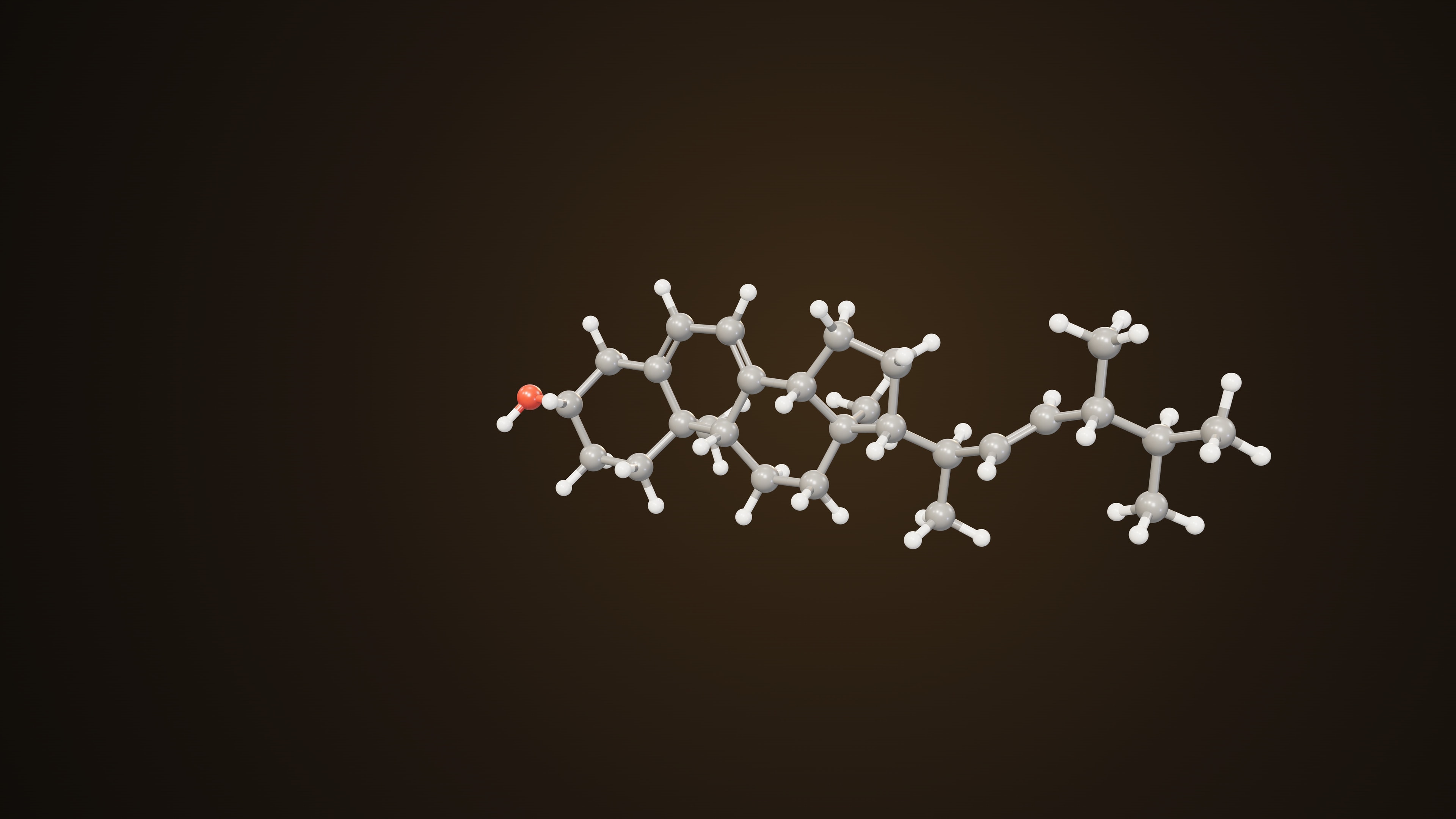
An itchy rash in the groin, between the toes or in a ring shape on the body can be both uncomfortable and frustrating. Many people who get fungal infections again and again look for a more "natural" option, and CBD creams come up in that search. In this article, we explain what CBD has shown against fungi in the lab, what that means for people, and what works for fungal skin infections today.
What’s in this article?9 sections
What is a fungal skin infection?
A fungal skin infection usually happens when fungi called dermatophytes settle in the top layer of the skin, the hair or the nails. In medicine it is called "tinea," and it is named for the area it affects: athlete's foot, jock itch, ringworm (the fungus that causes ring-shaped rashes on the body) and nail fungus. According to a review by an international network that evaluates studies independently and systematically (Cochrane), about 10–20% of the world's population is affected by fungal skin infections (El-Gohary 2014). Apart from these, a yeast called candida can also cause infections in skin folds.
Common symptoms are itching, redness with a well-defined edge, scaling and peeling; whitening and cracking between the toes can also occur. Eczema, psoriasis and some allergic rashes can look similar. The diagnosis is usually made by examination; if needed, it is confirmed by looking at a small skin scraping under a microscope or in a culture (El-Gohary 2014).
Why are people curious about CBD?
CBD (cannabidiol) is a compound from the cannabis plant that does not make you high. In recent years, it has appeared in many cosmetic products, from creams to oils. The interest in fungal infections has two sources. First, at a time when resistance to antifungal medicines is rising worldwide, researchers are looking for new active ingredients, and CBD is one of the candidates being studied (Dinh 2025). Second, there is the idea that "plant-based means fewer side effects." But a substance stopping a fungus in a lab dish does not mean it will cure an infection when applied to the skin; there is a long road of research between the two.
What does the research say?
Lab studies
In a study published in 2025, researchers tested five cannabis compounds in the lab against various fungi. CBD, and especially CBDV (cannabidivarin), showed activity against many fungi, including species that cause fungal skin infections; this effect is thought to be linked to damaging the fungal cell's membrane. The researchers also tested CBD in insect larvae with an infection caused by another fungus (Cryptococcus) in a burn wound, and found that the larvae treated with CBD lived longer (Dinh 2025).
In two lab studies on candida (a yeast), CBD also reduced the fungus's growth and its formation of a protective layer called a biofilm (Feldman 2021; Bahraminia 2025).
Human studies
We could not find any study comparing CBD with an inactive cream (placebo) or a known antifungal cream in people with a fungal skin infection (PubMed search, October 2026). So it is unknown how far the lab results can be carried over to people. There are several reasons for this:
- The amount of CBD used in a lab dish is not the same as the amount that reaches into the skin from a cream; how much CBD passes from creams into the layer where the fungus lives has not been measured.
- Cell culture lacks real-life conditions such as sweat, moisture, the warmth inside shoes and the body's immune response.
- Insect larvae do not behave like human skin.
- The amount of CBD on product labels is often inaccurate: in a study of cosmetic, personal care and food products sold in the US, the labeled amount was accurate in only about 1 in 8 products (Dowd 2025).
Products containing THC
There is also no study in people looking at the effect of cannabis products containing THC (the compound in cannabis that makes you high) on fungal skin infections.
Treatments with known effects for fungal skin infections
Antifungal creams, by contrast, have been well studied. In a Cochrane review covering 129 studies and more than 18,000 people with jock itch and ringworm, creams such as terbinafine, naftifine and clotrimazole led to recovery in clearly more people than an inactive cream; side effects were mostly mild burning and irritation (El-Gohary 2014). In athlete's foot, too, allylamine and azole creams led to recovery in far more people than inactive creams (Crawford 2007). The reviews also note that some of the studies are old and the quality of the evidence is low; even so, the effect of these medicines is consistent from study to study.
Possible side effects and drug interactions
Besides CBD, CBD creams also contain carrier oils, fragrances and preservatives. These can cause itching or redness in some people. We describe the side effects of products applied to the skin in detail in our article CBD oil and the skin: side effects.
The main thing to watch for with fungal skin infections is putting off a treatment with known effects; this can mean your symptoms last longer than they need to.
Some people also take CBD by mouth. The effect of oral CBD on fungal infections has never been studied. CBD taken by mouth can cause diarrhea, sleepiness and reduced appetite in some people (Chesney 2020). It can also change the blood levels of some medicines by slowing their breakdown in the body; some antifungal medicines taken by mouth (for example, ketoconazole) can also increase the amount of CBD in the blood (Campos 2024). Details are on our drug interactions page.
How was it used in studies?
There is no CBD cream, oil or dose that has been tested in people for fungal skin infections. In lab studies, CBD was added at different concentrations to dishes containing fungal cells; these concentrations cannot be converted into an amount of a product to apply to the skin. So we cannot give a way of using it or an amount here.
For comparison: in the studies in the Cochrane review, antifungal creams were mostly used for 2–4 weeks (El-Gohary 2014); for nail fungus, some medicines applied to the skin had to be applied every day for at least a year (Crawford 2007).
If you are thinking about using CBD
You can talk with your doctor or pharmacist about:
- Whether your symptoms are really caused by a fungus and, if needed, confirming this with a skin scraping.
- Which antifungal medicine is right for you and how long you need to use it.
- Whether there is any downside to applying a CBD product to the same area as an antifungal cream, if you want to (no study has looked at using them together).
- All the medicines you take, especially antifungal medicines taken by mouth, if you are considering CBD by mouth.
- Whether there is an underlying cause, if the fungal infection keeps coming back.
In Turkey, cannabis-derived products, including CBD, may be sold only in pharmacies (Law No. 7557, regulation of January 31, 2026). Those classed as medicines or health products are dispensed with a prescription; no prescription requirement is stated for supplement products with a THC content of no more than 0.3% or for cosmetics (called personal care products in the regulation). As of October 2026, there is no approved (licensed) CBD medicine in Turkey. Details are on our regulations page; what to look for on a product label is on our label-reading page.
Conclusion
CBD's effect against fungi shows interesting results in the lab and may be a starting point for researchers looking for new antifungal medicines. But it has not yet been tested in people with fungal skin infections. For now, the most reliable path is to get a clear diagnosis and use antifungal treatments whose effects are well known. A general summary of the evidence on CBD in skin conditions is on our skin conditions and CBD page.
Frequently asked questions
Does CBD oil cure fungal skin infections?
We don't know. In the lab, CBD stopped the growth of some fungi, including species that cause fungal skin infections, but it has not been tested in people with these infections. With antifungal creams whose effects have been shown in large studies available, there is no basis for using CBD in their place.
Can a CBD cream and an antifungal cream be used together?
No study has looked at using them together. Since it is not known whether a CBD product changes how well an antifungal cream works, ask your pharmacist or doctor before applying them to the same area.
Does CBD work for nail fungus?
There is no human study of CBD for nail fungus. Nail fungus needs longer treatment than a fungal skin infection; in studies, some medicines applied to the skin were used every day for at least a year.
Is CBD oil taken by mouth good for a fungal infection?
The effect of oral CBD on fungal infections has not been studied. CBD taken by mouth can slow the breakdown of some medicines in the body; if you take an antifungal medicine by mouth, be sure to tell your doctor.
Where can you buy CBD creams in Turkey?
Cannabis-derived products, including CBD, may be sold only in pharmacies in Turkey (Law No. 7557, regulation of January 31, 2026). Those classed as medicines or health products are dispensed with a prescription; no prescription requirement is stated for supplement products with a THC content of no more than 0.3% or for cosmetics. As of October 2026, there is no approved (licensed) CBD medicine in Turkey.
References
Show 10 references
- Dinh H, et al. Uncovering the antifungal potential of Cannabidiol and Cannabidivarin. PLoS Negl Trop Dis. 2025. PMID 40470967
- Feldman M, et al. Anti-Biofilm Activity of Cannabidiol against Candida albicans. Microorganisms. 2021. PMID 33672633
- Bahraminia M, et al. Effect of cannabidiol (CBD), a cannabis plant derivative, against Candida albicans growth and biofilm formation. Can J Microbiol. 2025. PMID 39418672
- El-Gohary M, et al. Topical antifungal treatments for tinea cruris and tinea corporis. Cochrane Database Syst Rev. 2014. PMID 25090020
- Crawford F, Hollis S. Topical treatments for fungal infections of the skin and nails of the foot. Cochrane Database Syst Rev. 2007. PMID 17636672
- Dowd AN, et al. Cannabinoid Content and Label Accuracy of Various Hemp-Derived Haircare, Cosmetic, and Edible Products Available at Retail Stores and Online in the United States. Cannabis Cannabinoid Res. 2025. PMID 39029473
- Chesney E, et al. Adverse effects of cannabidiol: a systematic review and meta-analysis of randomized clinical trials. Neuropsychopharmacology. 2020. PMID 32268347
- Campos MG, et al. Drug-Cannabinoid Interactions in Selected Therapeutics for Symptoms Associated with Epilepsy, Autism Spectrum Disorder, Cancer, Multiple Sclerosis, and Pain. Pharmaceuticals (Basel). 2024. PMID 38794183
- Kenevirden Elde Edilen Ürünlere Dair Yönetmelik (Regulation on Products Derived from Hemp). Official Gazette, January 31, 2026, issue 33154. Official Gazette 33154
- Law No. 7557. Official Gazette, July 24, 2025, issue 32965. Official Gazette 32965
 CBD and Skin Aging: Research and Cosmetic Use
 Skin Moisture and Cosmetic Products Containing CBD
 CBD Oil in Beauty Products: What the Research Shows
 Acne and CBD: What Does the Research Say?