
CBD in Cosmetics: Ingredients and Research
"Natural," "chemical-free," "paraben-free"... CBD cosmetics are often marketed with words like these. We look at what lies behind these promises and what a product may actually contain.
By: cbd.school editorial teamUpdated: 11 sources
Quick check
This article is prepared according to our editorial policy.
- We do not sell products, recommend brands or give personal doses.
- We base health information on peer-reviewed studies or official bodies. When the evidence is weak, we say so clearly: How do we rate the strength of evidence?
- If you spot an error, write to us through the contact form. We check it against the source, correct it if it is right, and update the page's date.
Details: Editorial Policy. Our content is for information only; it does not replace diagnosis or treatment.
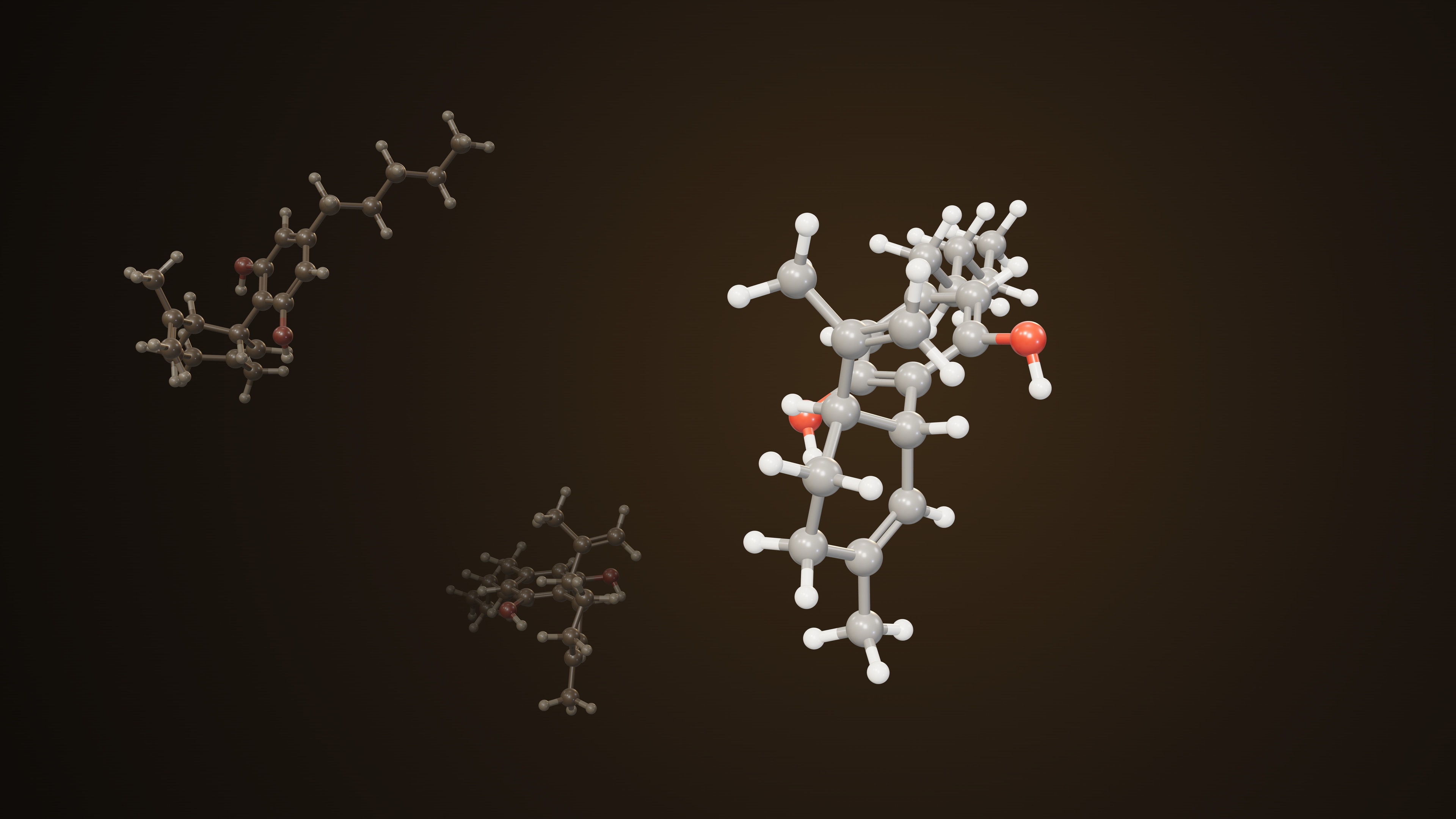
Ingredient lists on cosmetics are long and full of hard-to-understand words, so products labeled "chemical-free," "natural" or "paraben-free" can feel safer. CBD creams and serums are often marketed by appealing to this feeling as well. In this article, we explain how accurate the idea of a "natural alternative" is, what a CBD cosmetic may contain, and what research says about these products.
What’s in this article?9 sections
What do "chemical" and "natural" mean?
Water, olive oil and CBD are all chemical substances; coming from a plant does not stop a substance from being a chemical. What really matters is how much of a substance is used, for what purpose and on whose skin. Creams that contain water usually use preservatives to prevent the growth of bacteria and mold. That is why CBD creams also often contain preservatives, thickeners and fragrances.
Concerns about some preservatives have also fueled the debate. For example, a study published in 2004 measured parabens in 20 breast tumor samples. However, this study did not compare tumor tissue with healthy tissue; the finding shows that parabens can be present in the body, not that they cause cancer (Darbre 2004).
Why is CBD presented as a "natural alternative"?
CBD (cannabidiol) is a non-intoxicating substance from cannabis. Its anti-inflammatory and antioxidant effects in the laboratory, combined with its plant origin, turned into a "soothing and natural" image. The popularity of plant-based products comes largely from the perception that they are safe; however, as one review points out, the contents of these products can vary with the conditions in which the plant was grown, they are hard to standardize and they can cause allergic reactions (Mortimer 2016).
The effect of marketing shows up on labels too. Among 97 CBD products examined in the US, 86% carried phrases that make a product seem healthy, such as "paraben-free" or "dye-free" (Dowd 2025).
What does the research say?
CBD's effect on the skin
A review of the cosmetic use of CBD notes that laboratory and animal studies are promising but that clinical studies in people are very few (Kuzumi 2024). In an analysis combining 17 studies of cannabis and cannabinoid products in skin conditions, there was a small reduction in itching; there was no clear difference in dryness, redness or quality of life (Sermsaksasithorn 2025). We cover topics such as acne and moisture in detail in our articles on acne and skin hydration.
Plant-based ingredients and allergies
Cosmetics containing plant extracts may not be as innocent as they seem. According to a review, plant extracts can cause allergic skin reactions in some people; the problem can come from the plant extract itself or from fragrances, preservatives, dyes or sunscreen filters in the product. Plants from the daisy family, tea tree oil, mint and lavender are often-cited examples (Jack 2013). An allergic skin reaction to hemp seed oil has also been reported (Clark 2022).
What is really in the product?
The promise of a "natural alternative" also assumes that the product's contents are labeled correctly. In a study of hair care, cosmetic and food products in the US, the label was accurate for only 9 of 71 products that stated a CBD amount, and 10 products contained no CBD at all. 40% of the products carried treatment claims such as "relieves pain" (Dowd 2025). For this reason, researchers stress that better oversight is needed to prevent misleading health claims.
Products containing THC
We found no human study of cosmetics containing THC (the substance in cannabis that causes a high). In Turkey, the regulation requires that cannabis products classed as cosmetics contain at most 0.3% THC and do not cause a high.
Possible side effects and drug interactions
CBD products applied to the skin were generally well tolerated in studies. Still, as described above, plant extracts, fragrances and preservatives in a product can cause redness or allergies in sensitive skin. In a study testing five products, CBD passed from the skin into the blood with three of them (Zamarripa 2024). Details are in our article CBD oil and skin: side effects; interactions between CBD taken by mouth and medicines are covered on the drug interactions page.
How was it used in studies?
No amount of CBD for cosmetic use has been established in people. The concentrations used in skin studies vary greatly by product; for example, solutions with 2.5% and 5% CBD were tested in an acne study (NCT03573518), and an ointment containing 30% CBD and 5% CBG (another cannabinoid in cannabis) was tested in a small eczema study (Burczyk 2025) (study doses, not personal recommendations). These concentrations offer no yardstick for judging the effect of products on store shelves.
If you are thinking about using CBD
When choosing a CBD cosmetic, you can ask your pharmacist or dermatologist:
- How many mg of CBD the product contains in total, and whether there is a certificate of analysis for the same batch showing this.
- Whether the fragrances, preservatives and plant extracts in the ingredient list suit your skin; and if you have had an allergy to a cosmetic before, which ingredient it was.
- Whether the product is registered as a cosmetic (how to check this and report an unwanted effect is on the regulations page).
In Turkey, cannabis-derived products, including CBD, may be sold only in pharmacies (Law No. 7557; regulation of January 31, 2026). Those classed as medicines or health products are dispensed with a prescription; the regulation does not state a prescription requirement for supplement products and cosmetics (personal care products) with a THC content of at most 0.3%. As of October 2026, there is no approved (licensed) CBD medicine in Turkey. What to look for on the label is on the label reading page.
Conclusion
CBD cosmetics are not "a natural option against chemicals"; they are cosmetic products that contain CBD along with other ingredients. Plant-based ingredients can also cause allergies, and the CBD amount on the label is not always accurate. CBD's effect on the skin has so far been examined in only a few small studies; research is ongoing. When judging a product, looking at the ingredient list and the clear information on the label is more helpful than the word "natural."
Frequently asked questions
Are CBD cosmetics chemical-free?
No, they contain chemicals. CBD is a chemical substance too, and CBD creams often also contain preservatives, thickeners and fragrances. Coming from a plant does not stop a substance from being a chemical or automatically make it safer.
Don't natural products cause allergies?
They can. Plant extracts can cause allergic skin reactions in some people; the daisy family, tea tree oil, mint and lavender are often-cited examples. A case of allergy to hemp seed oil has also been reported.
Is a product labeled 'paraben-free' safer?
On its own, this phrase tells you nothing about a product's safety. Among CBD products examined in the US, 86% carried phrases like this that give a 'healthy' impression, yet in most of the same products the CBD amount on the label was not accurate.
Is there a THC limit for CBD cosmetics in Turkey?
Yes. Under the regulation, cannabis products classed as cosmetics (personal care products) and supplement products may contain at most 0.3% THC and must not cause a high. These products may also be sold only in pharmacies; the regulation does not state a prescription requirement.
References
Show 11 references
- Darbre PD, et al. Concentrations of parabens in human breast tumours. J Appl Toxicol. 2004. PMID 14745841
- Mortimer S, et al. Botanicals in Dermatology: Essential Oils, Botanical Allergens, and Current Regulatory Practices. Dermatitis. 2016. PMID 27846016
- Jack AR, et al. Allergic contact dermatitis to plant extracts in cosmetics. Semin Cutan Med Surg. 2013. PMID 24175401
- Clark E, et al. Allergic contact dermatitis from Cannabis sativa (hemp) seed oil. Contact Dermatitis. 2022. PMID 35514096
- Dowd AN, et al. Cannabinoid Content and Label Accuracy of Various Hemp-Derived Haircare, Cosmetic, and Edible Products Available at Retail Stores and Online in the United States. Cannabis Cannabinoid Res. 2025. PMID 39029473
- Kuzumi A, et al. The Potential Role of Cannabidiol in Cosmetic Dermatology: A Literature Review. Am J Clin Dermatol. 2024. PMID 39369127
- Sermsaksasithorn P, et al. Cannabis and cannabinoids in dermatology: a systematic review and meta-analysis of quantitative outcomes. Front Pharmacol. 2025. PMID 41181596
- Zamarripa CA, et al. Pharmacokinetics and pharmacodynamics of five distinct commercially available hemp-derived topical cannabidiol products. J Anal Toxicol. 2024. PMID 38217086
- Burczyk DD, et al. Evaluation of Biophysical Parameters of the Skin of Patients With Atopic Dermatitis After Application of an Ointment Containing 30% Cannabidiol and 5% Cannabigerol. Clin Cosmet Investig Dermatol. 2025. PMID 40124934
- Botanix Pharmaceuticals. Evaluation of BTX 1503 in Patients With Moderate to Severe Acne Vulgaris (NCT03573518). ClinicalTrials.gov, results April 18, 2022.
- Kenevirden Elde Edilen Ürünlere Dair Yönetmelik (Regulation on Products Derived from Hemp). Official Gazette, January 31, 2026, issue 33154. Official Gazette 33154
 CBD and Skin Care: The Scientific Research
 Hemp Seed Oil and the Skin: The Research
 Gen Z, Skin Care and CBD: What the Research Says
 Dermatology and CBD Products: Current Research